


The trailer for Paramount Pictures’ Children of Blood and Bone dropped this week, and instead of celebration, it landed alongside a TikTok from the book’s author, Tomi Adeyemi, describing the production as “the worst thing I have ever had to live through.”
A Blockbuster Built Without Its Creator
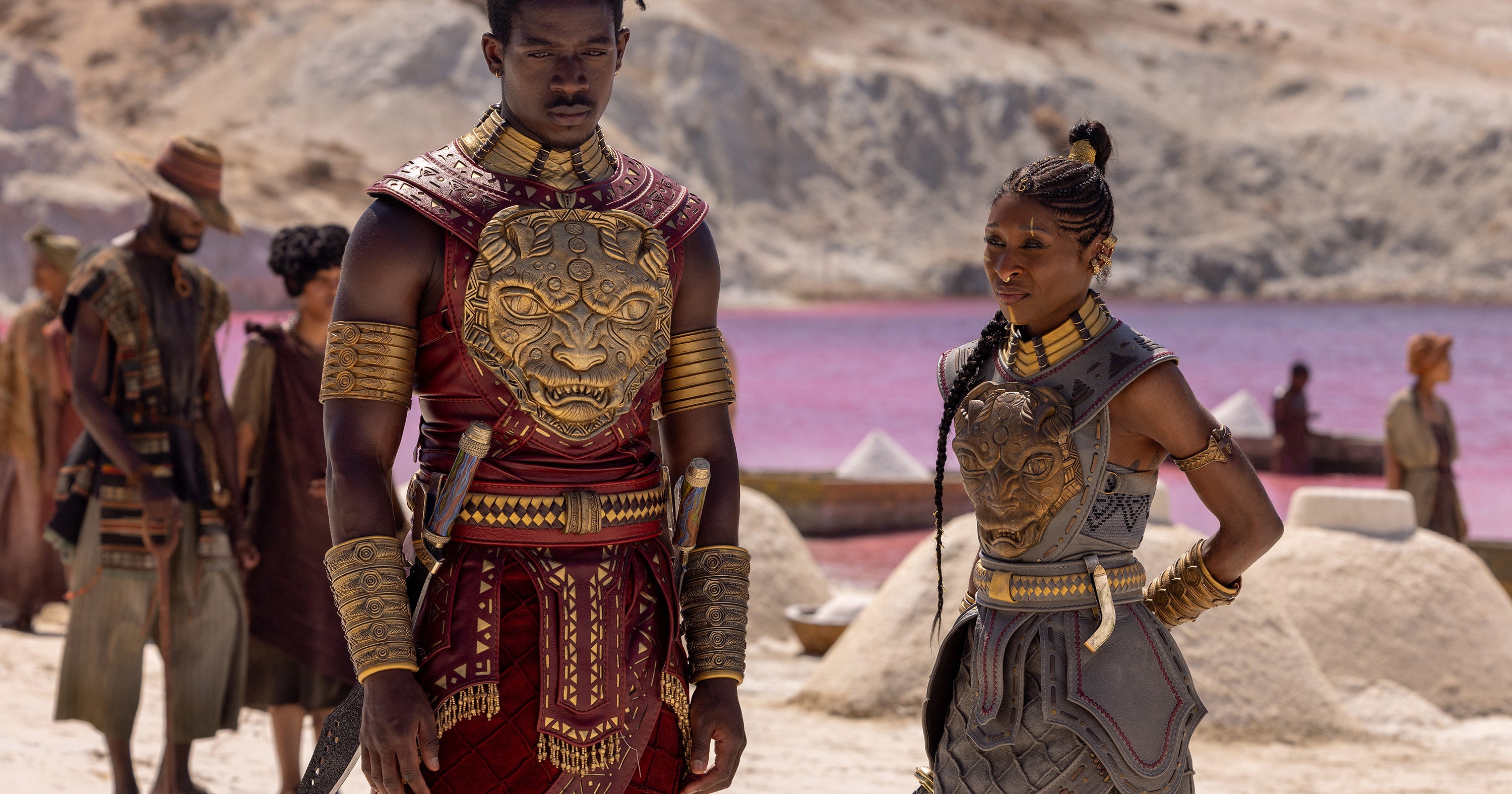
The adaptation has been in development long enough to accumulate serious expectations. Shot in IMAX, directed by Gina Prince-Bythewood, and carrying comparisons to The Hunger Games and the Harry Potter universe, Children of Blood and Bone arrives in theaters on January 15, 2027 with the kind of infrastructure usually reserved for franchise launches. A star-studded cast. A director known for bringing emotional weight to action-forward stories. The full machinery of a studio bet on a fantasy IP with a devoted readership.
Adeyemi’s debut novel – a West African-inspired fantasy that became a bestseller – was always considered film-ready material. The world-building is dense, the mythology specific, the protagonist the kind of character that prints posters. For years, the idea of a big-screen adaptation felt like a foregone conclusion to fans who had grown up with the book. The fact that it’s finally arriving should, by any conventional measure, be a moment worth marking.
Instead, the Nigerian-American author, now 32, has made it publicly clear she will not be watching the finished film. Not as protest. Not as a public relations strategy. She’s described physical symptoms – hyperventilation on set severe enough that she had to leave, followed by what she called “severe somatic pain” and panic attacks after returning to the United States. “There are many witnesses,” she said in the TikTok, “so it’s not really a secret.”
Neither Adeyemi nor the filmmakers have released specific details about what caused the breakdown in the working relationship. The silence from the production side has left a gap that fan speculation is rapidly filling – and that gap may follow the film all the way to its release date.
What Adeyemi Has Actually Said
Adeyemi’s TikTok, posted after the trailer dropped on Tuesday, was direct but measured. She described the experience of working on the adaptation in stark terms while stopping short of issuing any kind of organized opposition to the film itself. When a commenter on a since-deleted video asked whether fans should skip it, she was explicit: “I do not mind anyone going to watch the film.” The message was about her own separation from the project, not a call to boycott.
The fuller quote adds context. “I wrote this for us. I fought for us. I’m just laying down my sword and officially separating my name because I can’t keep being hurt and attacked behind the scenes.” That framing – “hurt and attacked behind the scenes” – suggests the core of the conflict is interpersonal or professional rather than purely creative, though what specifically happened remains unconfirmed. Adeyemi has not elaborated beyond that language, and the production has not responded publicly.
What’s notable is the way she’s drawn a line between her own emotional wellbeing and the film’s right to exist. A lot of authors in similar positions either go silent entirely or take a harder public stance. Adeyemi has done neither. She’s been visible, candid about the personal toll, and simultaneously non-combative about the project moving forward without her involvement. It’s a complicated position to hold publicly, and she appears to be holding it deliberately.
The phrase “officially separating my name” carries weight in the context of how literary adaptations typically work. Authors who sell adaptation rights retain varying degrees of creative involvement depending on the deal structure – some are deeply embedded in production, others are effectively consultants in name only. Whatever Adeyemi’s original level of involvement was meant to be, the experience apparently pushed her past the point of being able to maintain even nominal association with the finished product.
For fans trying to parse what this means for the film itself, Adeyemi’s statements offer something and withhold something at the same time. She’s confirmed the experience was damaging enough to produce a lasting physical response. She hasn’t confirmed whether the film itself reflects her vision, diverges from it, or somewhere in between – which is the question that will likely define how the fanbase responds when January 2027 arrives.
The Film Still Has an Audience to Answer To
Prince-Bythewood’s involvement gives the project a director who has navigated expectation and representation pressure before – her work on The Old Guard and Love & Basketball carries real credibility with the audience this film is explicitly targeting. The IMAX format and the franchise-sized scope suggest Paramount is not treating this as a modest prestige release. They’re swinging for something that can open a series.
Whether viewers separate the film from Adeyemi’s public withdrawal is an open question – and one that no amount of marketing can fully neutralize. The trailer is now competing for attention with her TikTok, and the audience for Children of Blood and Bone is the exact demographic most likely to have seen both within the same 24-hour window. A 32-year-old author describing panic attacks and somatic pain on the set of her own book’s adaptation isn’t a detail that quietly disappears from a fandom’s memory before a film hits wide release.