



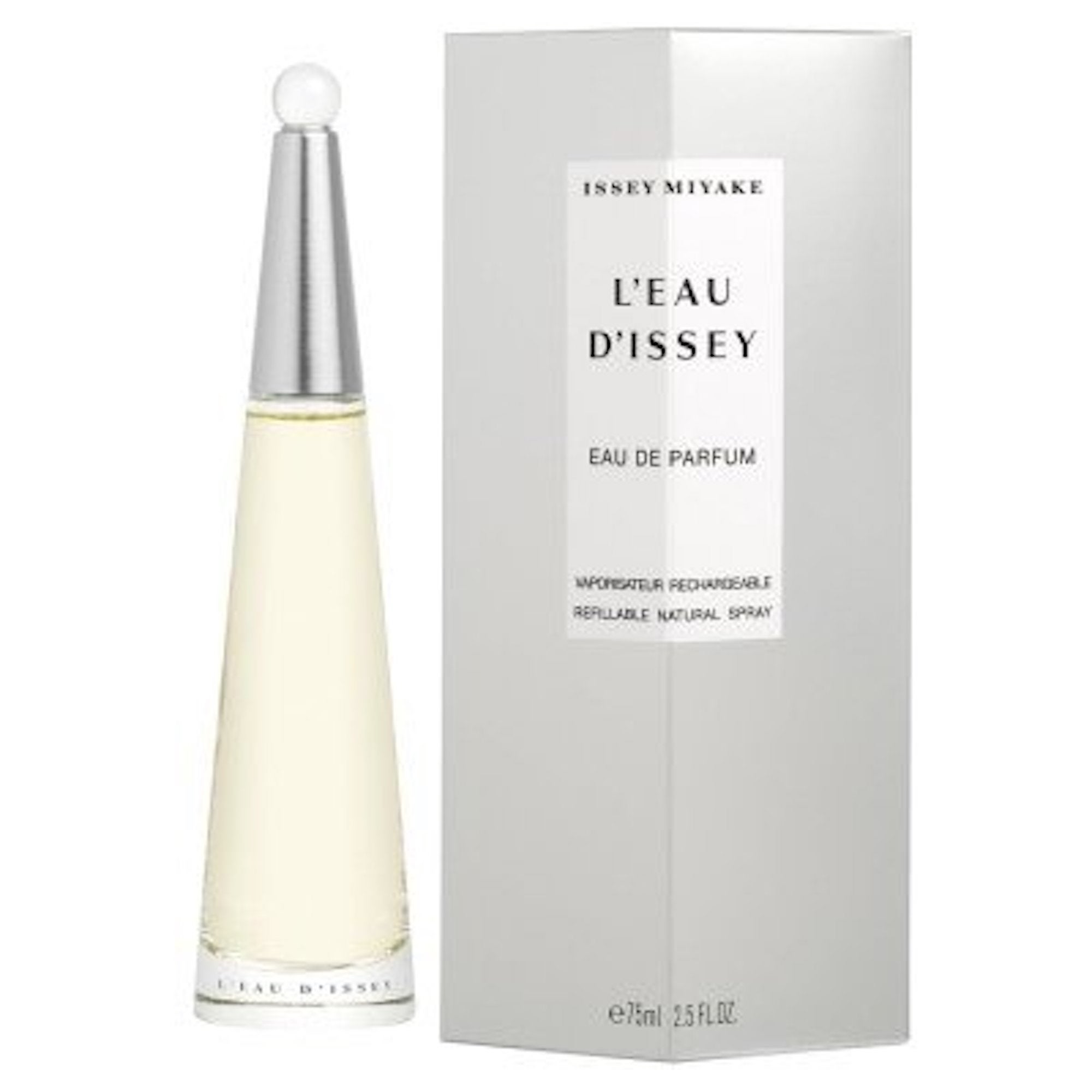
There were two bottles in my aunt’s wardrobe when we cleared her things out – Cacharel Anaïs Anaïs and Nina Ricci L’Air du Temps, both sealed, both waiting for a day that never came. That image has stayed with me longer than almost anything else from that period of grief.
The Scarcity Logic Behind Saving Things
Growing up working-class teaches you a particular relationship with objects. Anything that feels like a luxury arrives with an invisible instruction manual: handle with care, make it last, don’t burn through it too fast. Not because anyone sits you down and explains this – it’s absorbed through watching, through the quiet tension that appears when something nice gets used up before its time.
A favorite jumper stayed folded for special occasions. New shoes stayed box-fresh for as long as physically possible. And perfume – more than anything else – got rationed. Every spray was a small negotiation with yourself about whether the day in front of you actually warranted it.
Birthday perfume bottles occupied a specific category of preciousness. They felt grown-up in a way that most gifts didn’t, a suggestion of a life where you could buy things you genuinely loved without running the numbers in your head first. The bottles were beautiful. The fragrance inside was real. And because of that, using them felt almost reckless – like spending money you hadn’t quite earned yet.
So they sat. Saved for best, as the phrase goes – that vague, endlessly deferred occasion when using something good finally feels justified. The logic made complete sense at the time. It only started to unravel when I watched my mom pick up those unopened bottles from my aunt’s wardrobe shelf and go very quiet.
What a Full Bottle Actually Means
My aunt hadn’t been careless with her perfume. She’d been careful with it, the same way a lot of us are careful with things we love. She’d kept Anaïs Anaïs and L’Air du Temps pristine, preserved, ready for the right moment. And then she died, and the right moment never materialized, and there they were – factory-sealed, totally intact, completely useless to her now.
Grief has a way of making abstract ideas suddenly physical. The sight of those bottles wasn’t just sad in the ordinary way that losing someone is sad. It was a specific, stomach-dropping kind of sad, because the bottles made the postponement visible. You could hold the evidence of every Tuesday she’d decided wasn’t special enough, every ordinary evening she’d passed over in favor of saving the good stuff.
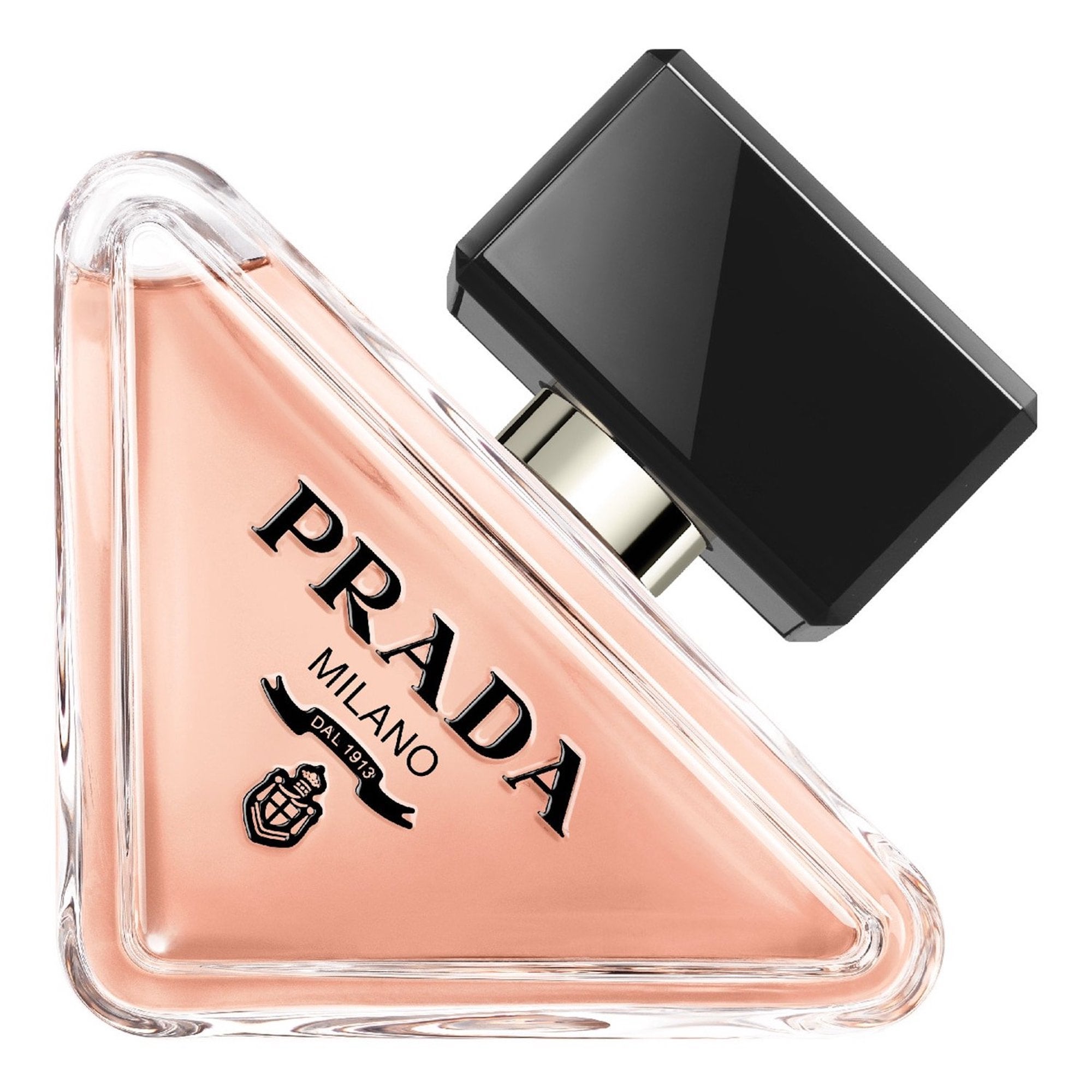
My mom looked at them and said something I haven’t been able to shake: “You see, this is why you should never save anything. Wear everything, as it matters – like it’s your last.” It wasn’t a long speech. It didn’t need to be. The bottles on the shelf were making the same argument more effectively than any words could.
What those sealed perfumes represented wasn’t just fragrance being hoarded. They stood for every pleasure postponed while waiting to feel worthy of it – the celebrations imagined as coming, the future self who would finally deserve the good china, the good wine, the good scent. We do this constantly and call it being responsible. We treat enjoyment like a reward that needs to be earned through sufficient suffering or sufficient achievement first, and the result is that the Anaïs Anaïs stays sealed while the ordinary days pile up unlived.
There’s something worth sitting with in the fact that perfume specifically carries this weight. Clothes can be saved for occasions. Shoes can be kept pristine. But a fragrance that goes unworn leaves almost no trace – no photographs in it, no memories attached to a particular Tuesday when you finally spritzed it on and walked out the door. An unopened bottle of perfume is the most complete version of a pleasure that never happened. It doesn’t age into a story. It just sits there, full.
The connection between scent and memory is well-documented – smell is processed through the olfactory bulb, which has direct links to the brain’s memory and emotion centers. Which means that every time you decide a day isn’t special enough to wear the perfume you love, you’re also deciding it isn’t worth remembering. You are, in a small but real way, opting out of your own life. Sometimes the things that anchor us most powerfully are the ones we almost didn’t let ourselves have.
Spraying It on a Wednesday
The working-class instinct to preserve things is not wrong, exactly – it comes from a real place, a genuine material history where replacing something wasn’t always an option and waste carried actual consequences. But there’s a point at which preservation tips into deprivation, and an unopened perfume bottle in a dead woman’s wardrobe is that point made literal. The scarcity logic that once protected against real loss ends up producing a different kind of loss entirely.
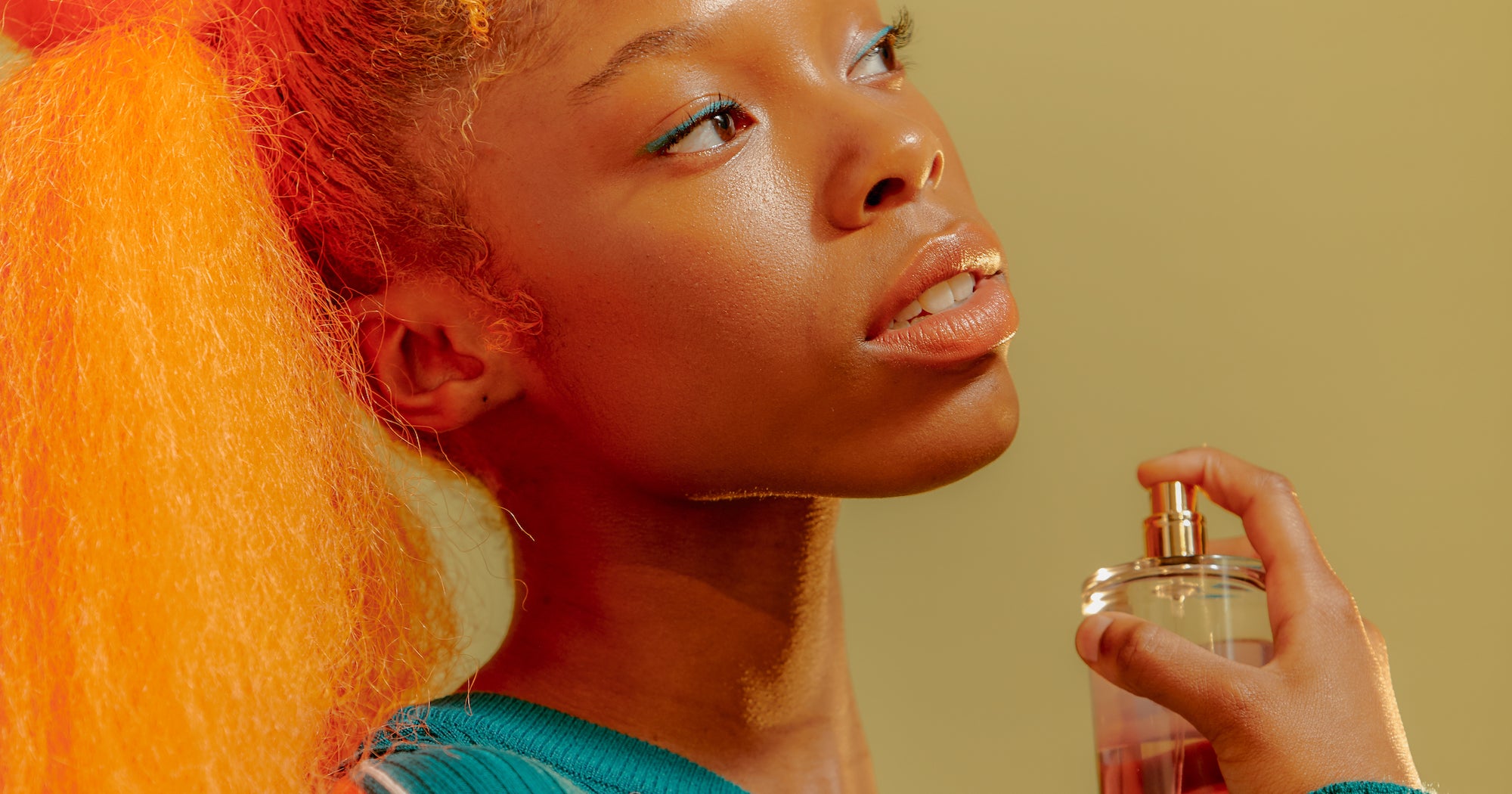
Wearing your favorite perfume on a Wednesday – a nothing Wednesday, a commute-and-emails Wednesday – is not recklessness. It’s a small, deliberate argument that this day counts. That you count in it. The bottle will eventually run out either way. The only question is whether it runs out while you’re wearing it on ordinary mornings, or whether it sits sealed on a shelf waiting for a version of your life that feels more deserving, until someone else has to figure out what to do with it.