





Movie theaters across America are installing gaming stations, VR headsets, and interactive screens alongside traditional projection equipment. What was once a simple place to watch films is transforming into an entertainment complex where audiences participate rather than just observe.
The shift represents theaters’ response to declining ticket sales and streaming competition. AMC, Regal, and independent cinema chains are retrofitting spaces with gaming technology, creating hybrid experiences that merge Hollywood storytelling with interactive entertainment. Industry analysts report these installations have increased average visitor spending by 35% at participating locations.
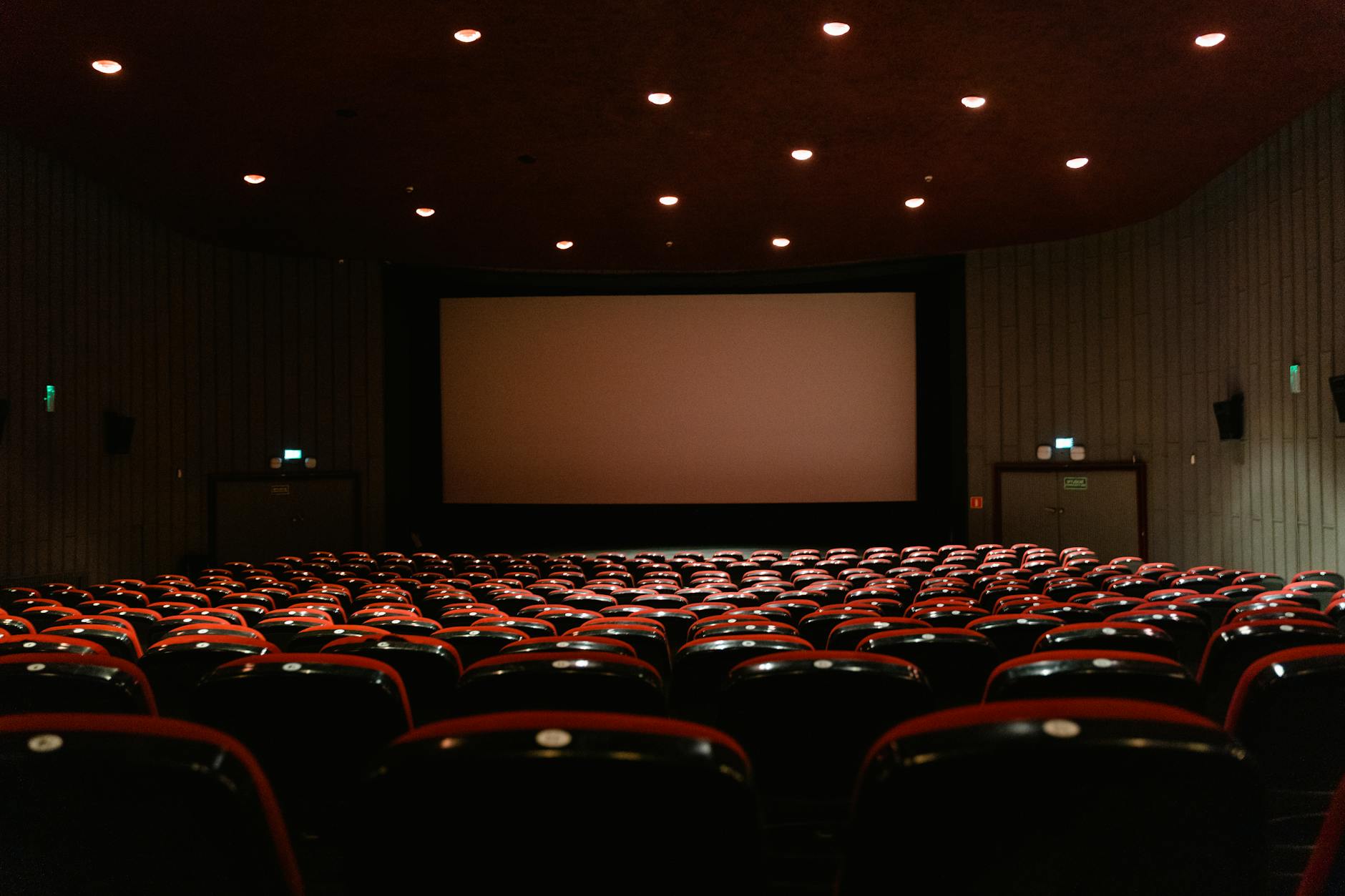
From Passive Viewing to Active Participation
Traditional movie theaters operated on a simple model: sell tickets, show films, offer concessions. Today’s interactive cinema experiences flip this dynamic. Audiences vote on plot directions during specially designed films, compete in gaming tournaments between movie showings, and participate in augmented reality experiences that extend storylines beyond the screen.
Alamo Drafthouse pioneered early versions of this concept with quote-along screenings and themed events. Now major chains are scaling these ideas with technology. AMC’s “Sensory4D” theaters combine motion seats, environmental effects, and audience response systems. Viewers feel rain during storm scenes, smell flowers in romantic moments, and vote on character decisions through seat-mounted controllers.
CinemaCon 2023 showcased dozens of interactive theater technologies. Companies like D-BOX and CJ 4DPlex demonstrated systems where audiences control camera angles, influence storylines, and compete in real-time challenges synchronized with on-screen action. Universal Studios and Disney have licensed their intellectual properties for these experiences, creating interactive versions of popular franchises.
Technology Driving the Transformation
The backbone of interactive cinema relies on established gaming technology adapted for large venues. Theater chains partner with companies like Nvidia and AMD to power real-time graphics processing. High-speed fiber internet connections enable cloud gaming services that don’t require individual consoles.
Dolby Laboratories expanded beyond sound systems to develop interactive audio that responds to audience input. Their latest installations track individual seat selections and adjust audio accordingly. If viewers choose a character’s perspective, they hear dialogue and sound effects from that character’s position.
Virtual reality represents the most dramatic shift. Marcus Theatres operates VR lounges where groups experience 30-minute adventures before or after traditional films. The experiences range from space exploration to historical recreations, often tied to current movie releases. A medieval VR quest might precede a fantasy film, creating thematic continuity.

Motion tracking cameras monitor audience reactions and adjust experiences in real-time. Happy expressions might trigger additional comedy elements, while tense body language could increase suspense sequences. This technology builds on established audience research methods, applying them for immediate entertainment modification rather than future analysis.
Economic Impact and Industry Response
Interactive theater experiences command premium pricing. Standard movie tickets average $12 nationwide, while interactive experiences range from $25 to $45 per person. Despite higher costs, occupancy rates for interactive screenings exceed traditional showings by 20%.
Concession sales also benefit from extended visit times. Interactive experiences often last 2-3 hours compared to typical 90-minute films. Theaters report 40% higher per-customer food and beverage purchases during interactive events.
Major studios are developing content specifically for interactive formats. Netflix experimented with “choose your own adventure” content like “Black Mirror: Bandersnatch” for home streaming. Now they’re creating theatrical versions with enhanced production values and group decision-making elements.
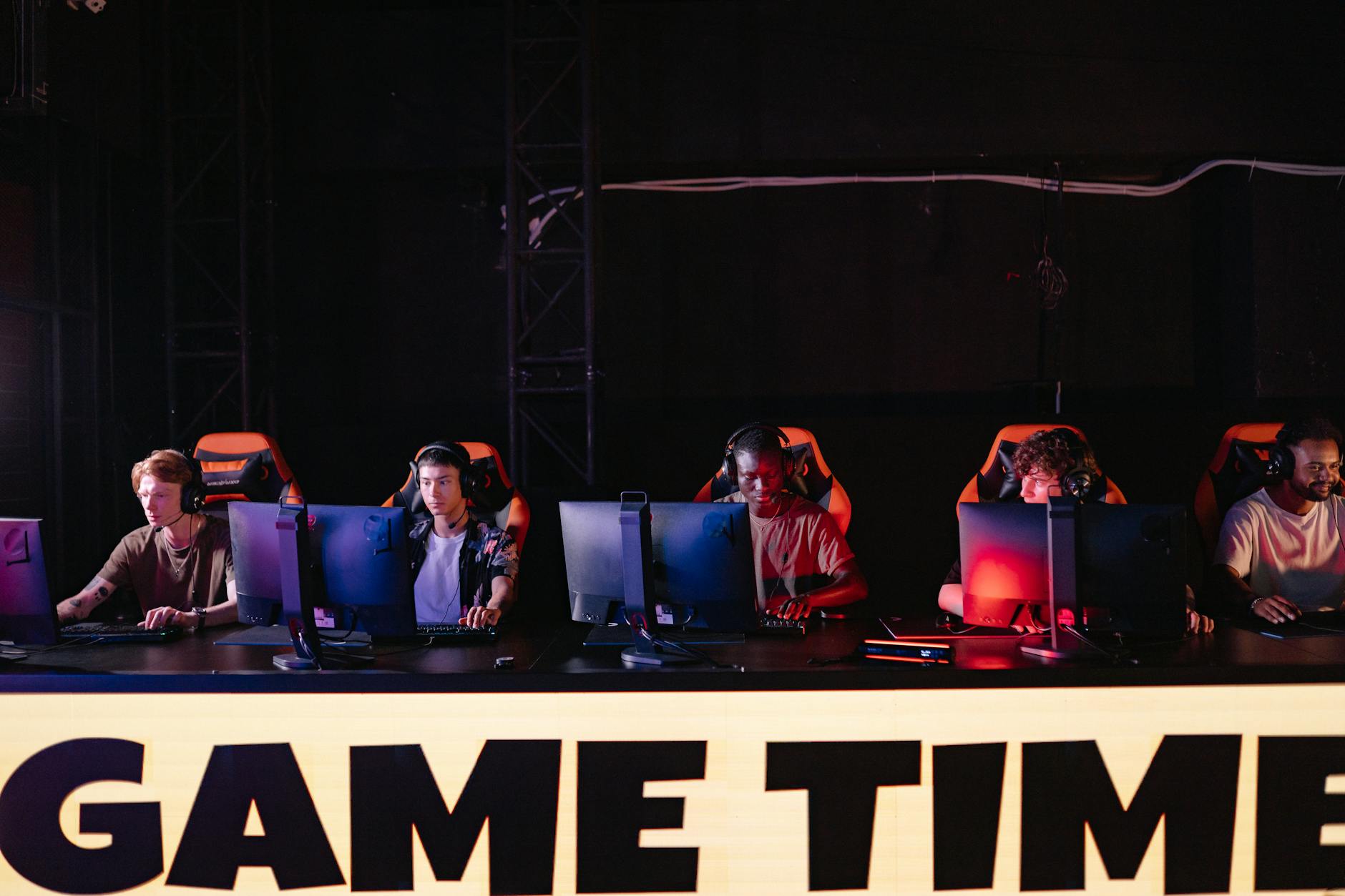
Gaming companies see theaters as new distribution channels. Epic Games, creators of Fortnite, partnered with theater chains to host competitive gaming events on cinema screens. These tournaments fill theaters during traditional slow periods like weekday afternoons.
Similar transformations are occurring across entertainment venues. Broadway theaters are adapting to smaller, more intimate spaces, creating different types of audience engagement. The trend toward participatory entertainment spans multiple industries seeking deeper audience connections.
Challenges and Future Outlook
Technology costs present significant barriers for smaller theater operators. Interactive systems require substantial initial investments, from $200,000 to $500,000 per screen for full installations. Many independent theaters cannot afford these upgrades, potentially creating a two-tiered cinema industry.
Content creation for interactive experiences demands new skills and increased production budgets. Traditional filmmakers must learn gaming principles, while game developers must understand cinematic storytelling. This skills gap slows content development and increases production costs.
Audience adaptation varies by demographic. Younger viewers embrace interactive elements readily, while older audiences often prefer traditional movie experiences. Theaters must balance programming to serve both preferences without alienating either group.
Technical reliability remains challenging. Interactive systems involve more failure points than traditional projection equipment. Network connectivity, gaming servers, motion sensors, and audience response systems must function simultaneously. System failures during screenings create poor customer experiences and operational losses.
The future likely holds expanded interactive options rather than wholesale replacement of traditional cinema. Theaters will offer multiple experience types: conventional films, interactive adventures, gaming tournaments, and hybrid formats. This diversification positions theaters as comprehensive entertainment destinations rather than single-purpose venues.
Major chains are already planning next-generation installations. IMAX is developing interactive versions of their large-format experience. Harkins Theatres is testing AI-powered personalization that adjusts experiences based on individual viewer preferences. These developments suggest interactive cinema will become standard rather than experimental.
Success will depend on content quality and technological reliability. Audiences will embrace interactive experiences that enhance storytelling, but reject gimmicky additions that distract from narrative engagement. The theater chains that balance innovation with solid fundamentals will likely dominate this evolving entertainment landscape.
Frequently Asked Questions
How much do interactive theater experiences cost compared to regular movies?
Interactive experiences typically cost $25-45 per person versus $12 for standard movie tickets.
What technology powers interactive cinema experiences?
Systems use gaming processors, motion tracking cameras, VR headsets, and audience response controllers synchronized with on-screen content.