





The Hotel That Actually Does Two Things Well
The Mercer sits in the middle of Soho, one of Manhattan’s loudest, most saturated neighborhoods, and somehow manages to be the quietest room you’ve been in all week.
What It’s Like to Actually Stay There
Arriving as SVP of Brand & Content at Unbothered for a first official business trip, the itinerary was dense from the start – press line evaluations, talent team meetings, a brand event at Moss. The kind of schedule where the city eats your entire day and hands you back an empty evening. What mattered wasn’t where to go out. It was where to land.
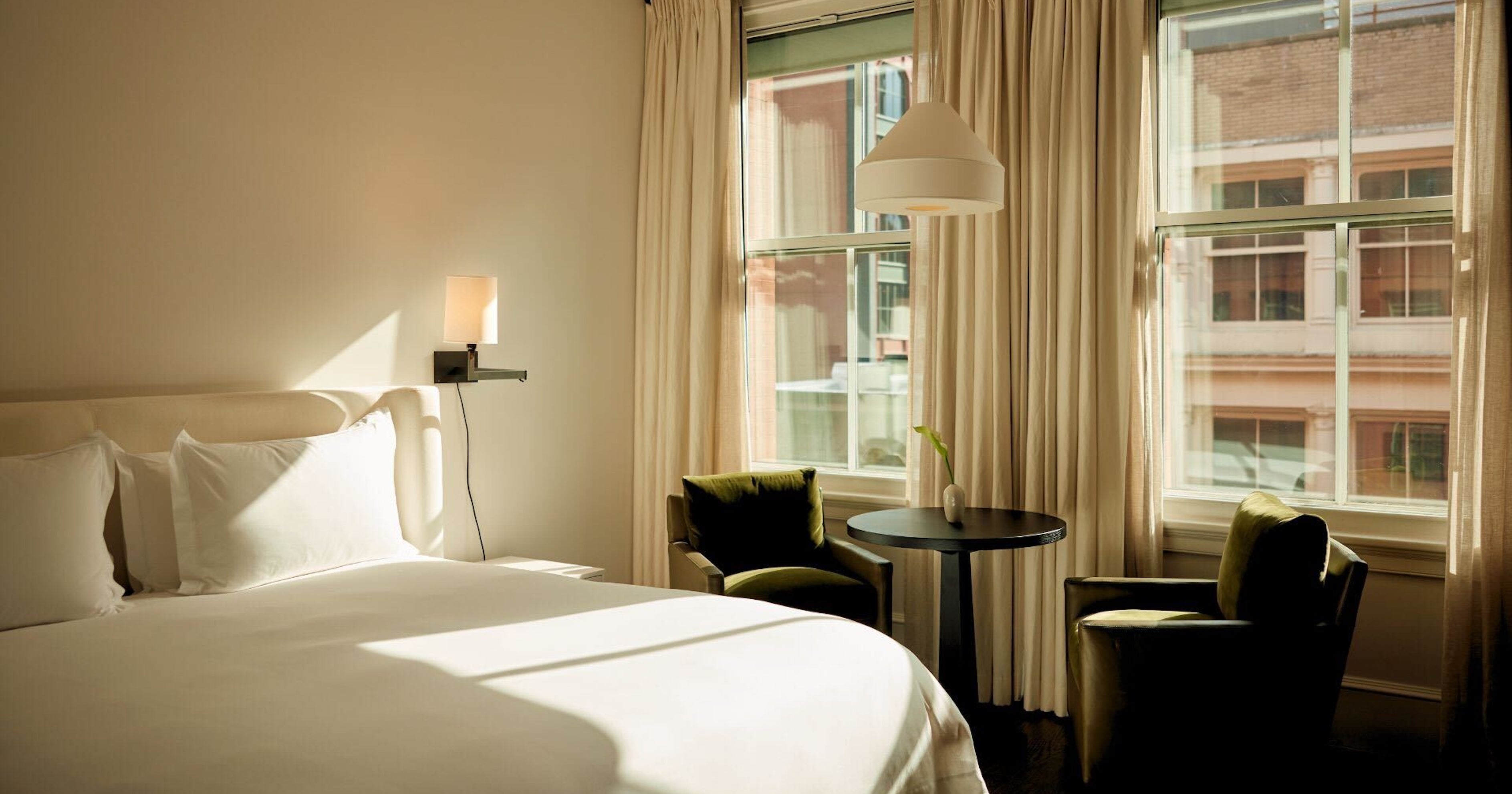
The Mercer has almost no sound leak. That detail sounds minor until you’ve tried to sleep in a SoHo hotel where every cab horn and Saturday-night crowd makes it through the walls at full volume. Here, the transition from street to lobby to room is essentially the transition from one world to another. The building’s minimalism isn’t aesthetic posturing – it functions as actual insulation, sonic and sensory, from the neighborhood it sits inside.
The room itself is built around control. Every light source runs on a dimmer. The bay windows come fitted with electronic shades, so how much city you want in your room at any given moment is entirely your call. The sheets – specifically noted by someone with tactile sensitivity who has had entire trips derailed by bad bedding – are exactly right. That’s not a throwaway detail. When your nervous system is already running on fumes from back-to-back obligations, the difference between itchy cotton and the right thread count is the difference between actual rest and just lying down.
The hotel has a way of feeling warm inside its minimalism, which is harder to pull off than it sounds. A lot of stripped-back spaces read cold or performatively spare. The Mercer reads like someone who designed it had thought carefully about what it’s actually like to exist in a body inside a room – what creates pressure, what releases it, what makes four walls feel like relief instead of confinement.
The Neighborhood Makes Logistics Disappear
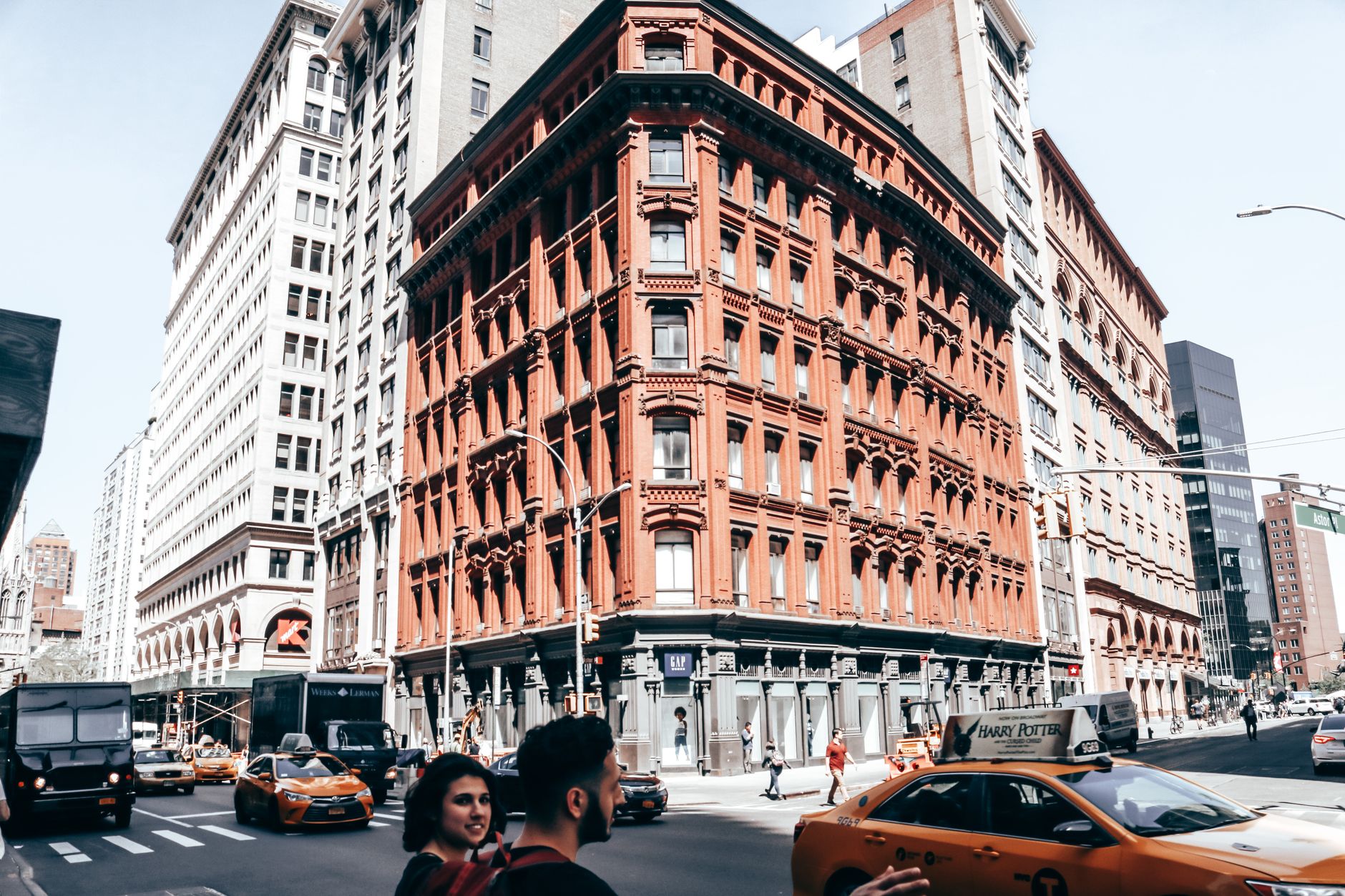
Location is the part people either oversell or take for granted when writing about hotels. With The Mercer, it’s worth being specific. The hotel is in Soho proper, which means Balthazar is a two-minute walk. McNally Jackson is close. There’s a Sephora for the inevitable forgotten item, and a FedEx within walking distance – the latter turned out to be necessary on this particular trip, not a hypothetical convenience.
That last part matters more than it gets credit for. Business travel runs on friction points. When a critical errand adds forty-five minutes and two subway transfers to your day, everything downstream shifts. When you can handle it and be back in your room in under ten minutes, the whole texture of the trip changes. SoHo is still SoHo – crowded, loud, and relentlessly stimulating – but The Mercer’s location within it means you can participate fully on your own terms rather than being absorbed by the neighborhood’s momentum whether you want to be or not.
There’s a version of hotel selection that treats the room as the primary variable and location as secondary. The Mercer makes a case for why those two considerations can’t really be separated. Being embedded in one of the city’s most active corridors while having a room that functions as a genuine retreat is a specific combination that takes both elements working correctly. Strip out either one and you have either a nice room in an inconvenient place, or a convenient place with a room that doesn’t let you recover.
The Mercer has been a repeat choice for a reason. Return trips have a way of confirming whether a place holds up once the novelty wears off, or whether what you remembered was partly the excitement of somewhere new. Coming back and finding the same quality – the same quiet, the same sheets, the same sense that the space was designed with some consideration for the person inside it – is rarer than the initial impression suggests.
SoHo operates at a specific frequency: the boutiques, the weekend crowds spilling off Canal, the brunch lines at Balthazar stretching down Prince Street on a Saturday morning. Knowing exactly when to step back into it and when to close the shades on it is its own form of luxury – not distance from the city, but the option to decide.
The Details That Actually Decide It
When your days involve testing press lines to understand what reporters navigate on the front line, sitting in talent team meetings, and showing up present for a brand event, what you need from your room isn’t a spa treatment or a rooftop bar. You need the lights to dim on your schedule, the street to go quiet when the shades close, and bedding that doesn’t register as a problem. The Mercer handles all three without requiring you to think about any of them.
Which leaves one question sitting underneath all of it: how many hotels that call themselves a retreat actually remove the friction, versus just adding amenities on top of it?