




The Work That Happens Before Anyone’s Watching
Michael B. Jordan won an Academy Award in March, and in the weeks before the ceremony, he told Vanity Fair something that most people in the industry quietly know but rarely say out loud: Hollywood doesn’t glorify the hard work. The overnight success story is almost always a fiction built on top of years of unglamorous preparation. What the public sees is the arrival. What gets left out is everything that made the arrival possible.
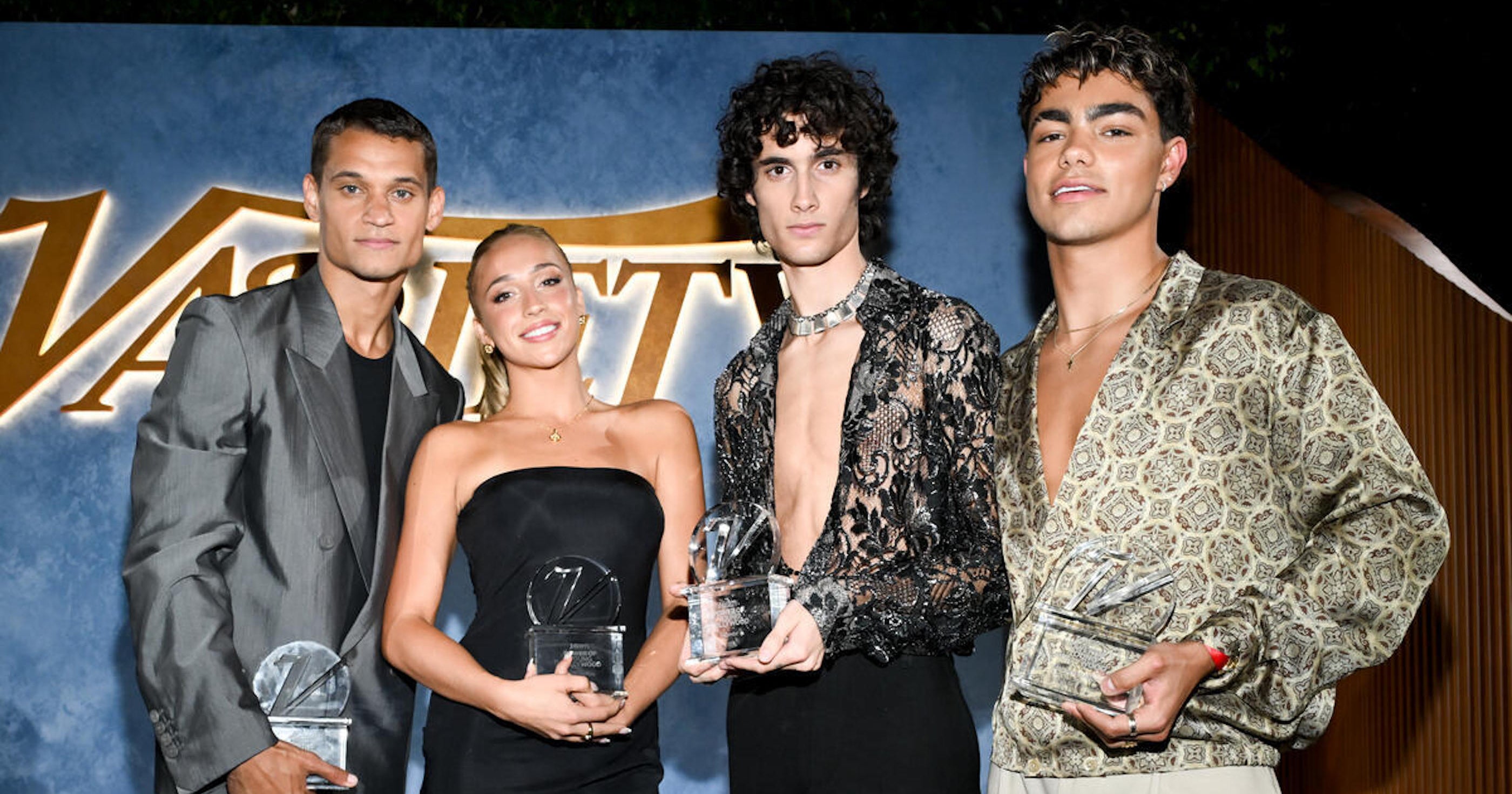
On August 5, 2026, Variety’s Power of Young Hollywood event – presented by Disney+ and held at the Four Seasons Hotel Los Angeles at Beverly Hills – made a point of honoring that hidden labor. Four people walked away with awards. Four careers got a moment of industry recognition that, in a business that moves fast and forgets faster, actually means something.
The Four Names on the Night
Tyriq Withers received the New Leading Man Award. Tate McRae took home the Triple Threat Award. Singer-songwriter Sombr was presented with Songwriter of the Year. And Malachi Barton was recognized with the Rising Star Award. These weren’t honorary gestures handed out for visibility – each category tracked something specific about how these careers are being built and what distinguishes them within their respective lanes.
Withers, accepting his award on stage, addressed something more personal than a typical acceptance speech usually allows. “For a long time, I didn’t feel like I deserved to be in places like this,” he said. Then: “If I want my career to stand for anything, I hope that it’s leading with love.” It was the kind of moment that gets brushed past in a highlight reel but tends to be the thing people actually remember from a night like this. A room full of emerging talent, and the guy holding the award is talking about worthiness rather than winning.
McRae’s Triple Threat designation reflects what has already become a notable pattern in her career – she has moved across music, performance, and dance in a way that doesn’t read as brand management so much as actual range. Sombr’s Songwriter of the Year recognition points to a creative track record strong enough to be distinguished from performance itself, which is its own kind of credibility in the industry. Barton’s Rising Star Award lands him in the category where the name matters most: someone the room believes is still accelerating.
Why These Events Still Matter
There’s a cynical read on industry awards events – that they function as marketing, a way for trade publications and sponsors to associate their brands with people who are about to become more famous. That read isn’t entirely wrong. But it also misses something. Variety’s Power of Young Hollywood has built a specific reputation for pulling emerging actors, musicians, reality stars, and digital creators into the same room at a moment when most of them are still in the grinding, uncertain middle of building something. That coexistence produces an atmosphere that pure celebrity events don’t generate.
For one evening at a Beverly Hills hotel, the industry’s usual mode – which involves constantly scanning for the next new face while barely acknowledging the current one – gets briefly suspended. The people being honored aren’t yet institutional. They’re still becoming. And there’s a particular energy that comes from recognition landing before someone has fully arrived, rather than decades after the fact when it doubles as retrospective.
What the Moment Actually Looks Like From Inside It
Anyone who has spent time around entertainment industry events knows they can flatten into a kind of choreographed sameness – the same carpet, the same quotes about being grateful and inspired, the same photos. What gets reported about Variety’s August 5 night suggests something different was running underneath the formality. Withers didn’t deliver a victory lap. He talked about not feeling like he belonged. That’s a harder thing to say in a room where belonging is exactly what’s being conferred.
The distinction between the award and the person accepting it has always been where these nights become interesting or don’t. When Withers said he hoped his career would stand for “leading with love,” he was defining a career agenda in public, in front of an industry audience, at a moment when his career is still open-ended enough that the statement has actual stakes. It wasn’t the kind of thing you say when you’ve already secured your legacy.
McRae, Sombr, and Barton each represent a different version of the same underlying reality: careers that are further along than public perception often registers, built through repetition and craft rather than a single viral moment. The Triple Threat framing for McRae in particular acknowledges that her work across multiple disciplines has been consistent enough to warrant a category of its own rather than a single lane. Sombr’s recognition as a songwriter specifically – not a performer – marks a distinction that the industry doesn’t always make clearly, and that makes the award more precise.
Variety has run this event long enough that it has its own internal logic now. The people honored in previous years exist as a kind of evidence base for what the selection is actually tracking. That history makes the awards less arbitrary and gives names like Withers and Barton a context that a standalone profile wouldn’t provide. Whether that institutional credibility translates into the sustained careers the night implies is the open question every person in that Four Seasons ballroom was probably sitting with – even while smiling for the cameras.
Withers walked out of the Four Seasons on August 5 holding a New Leading Man Award and having told an industry room he once didn’t feel like he deserved to be there. That dissonance – the trophy in one hand, the doubt still fresh enough to name – is what the long come-up actually looks like from the inside.