




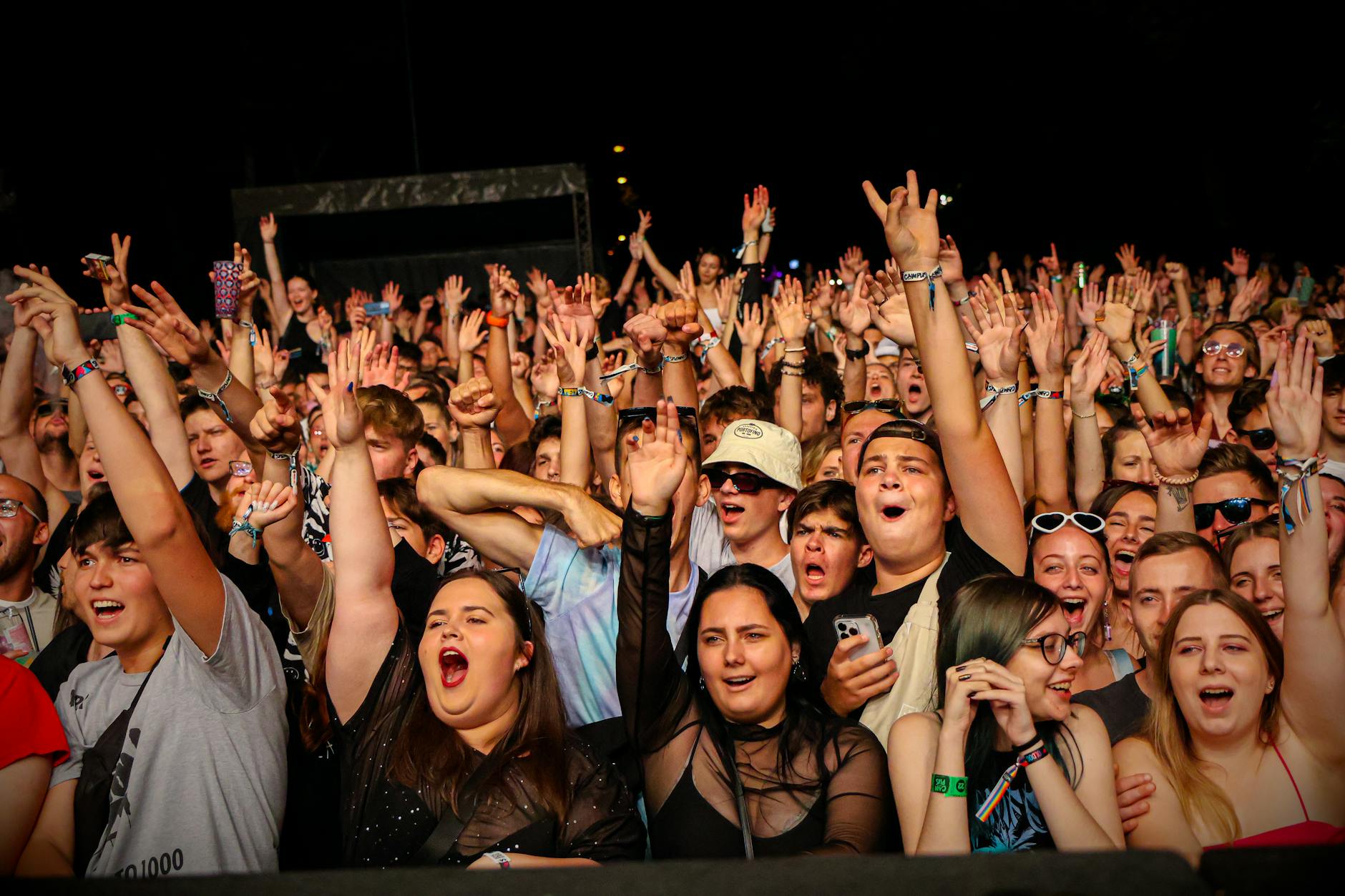
The lights dim, the crowd erupts, and the artist walks off stage. The audience keeps cheering, phones flash like stars, and everyone waits for that magical moment when the performer returns for “just one more song.” But increasingly, that moment never comes. The traditional concert encore is quietly disappearing from live music, replaced by precisely timed setlists and streaming-era expectations that have fundamentally changed how artists connect with their audiences.
What was once an organic celebration between performer and crowd has become a casualty of modern concert production. Major artists like Taylor Swift, Beyoncé, and The Weeknd now frequently skip encores entirely, ending their shows exactly as planned. This shift reflects deeper changes in how live music operates in an age where every moment is scheduled, streamed, and scrutinized.
The Economics of Every Minute
Modern concert production operates with military precision. Venue curfews, union overtime rates, and complex logistics make spontaneity expensive. A typical arena show involves hundreds of crew members, strict load-out schedules, and neighboring events that demand exact timing. When Post Malone’s tour manager plans a 90-minute set, those 90 minutes are calculated down to the second.
“Encores used to be genuine surprises,” explains a veteran tour production manager who has worked with multiple Grammy-winning artists. “Now everything has to be pre-approved by venues, cleared with broadcasters if it’s being streamed, and factored into labor costs. The magic is scheduled out of existence.”
Streaming has intensified this precision. When concerts are broadcast live on platforms like Apple Music or Amazon Prime, running over time isn’t just inconvenient-it’s contractually problematic. Billie Eilish’s recent arena tour featured no traditional encores, with her final song scheduled as the actual finale. Fans knew exactly when the show would end because the setlist was designed as a complete narrative arc.
The financial implications extend beyond overtime fees. Modern touring economics depend on merchandise sales, VIP experiences, and precisely timed venue turnovers. An unplanned 15-minute encore can cascade into thousands of dollars in additional costs across multiple departments.
Fan Culture in the Social Media Age
Today’s concert audiences experience shows differently than previous generations. Armed with smartphones and conditioned by social media, many fans are more focused on capturing content than participating in collective moments of uncertainty. The traditional encore required patience and faith-qualities that feel increasingly foreign in an instant-gratification culture.
TikTok and Instagram have created new expectations around concert experiences. Fans arrive knowing the setlist, having watched previous shows online. The element of surprise that made encores special has been replaced by predictable viral moments. Artists now build their “encore-worthy” songs directly into the main set, creating climactic moments that photograph well and generate social media buzz.
This shift mirrors broader changes in entertainment consumption, similar to how YouTube Shorts is changing stand-up comedy career paths. Just as comedians now craft material for short-form video, musicians design their live shows for maximum social media impact rather than organic crowd interaction.
Concert venues have adapted by improving their digital infrastructure. High-quality WiFi, charging stations, and even designated selfie areas acknowledge that documenting the experience has become as important as experiencing it. The spontaneous encore doesn’t translate well to carefully curated social media posts that need perfect lighting and timing.
The Playlist Generation and Attention Spans
Streaming services have fundamentally altered how audiences engage with music. Spotify and Apple Music users are accustomed to carefully curated playlists that flow seamlessly from one song to another. The traditional concert encore-with its awkward pause, extended applause, and eventual return-feels jarring to audiences trained on algorithmic perfection.
Modern concertgoers often prefer shows that flow like playlists. Artists like The 1975 and Lorde have experimented with continuous performances where songs blend together without breaks, eliminating natural encore opportunities. These shows feel more like immersive experiences than traditional concerts with clear start and stop points.
The attention economy has also compressed live performance expectations. Three-hour concerts are increasingly rare outside of established acts like Bruce Springsteen or Pearl Jam. Most artists now deliver concentrated 75-90 minute performances designed to maintain energy throughout. Adding an encore risks anticlimactic endings when audiences have already experienced the emotional peak.
Younger artists, particularly those who built their careers on streaming platforms, often skip encores entirely. Olivia Rodrigo’s Sour Tour featured meticulously planned setlists with definitive endings. Her generation of performers grew up consuming music in playlist format, and their live shows reflect this structured approach.
The Persistence of Tradition in Select Circles
Despite the broader trend, some artists and genres maintain the encore tradition. Classic rock acts, jam bands, and certain indie performers still use encores as genuine crowd interactions. Pearl Jam regularly performs 20-30 song sets with multiple encores, treating each show as a unique conversation with their audience.
Folk and indie artists often preserve encores as intimate moments. Phoebe Bridgers frequently returns for acoustic versions of fan favorites, creating genuine surprise in smaller venues where production constraints are minimal. These performances feel increasingly special precisely because they’re becoming rare.
Legacy acts face different pressures. When The Rolling Stones or Paul McCartney perform, audiences expect certain traditions to be maintained. Their encores serve as bridges between past and present, honoring the theatrical conventions that defined rock concerts for decades.
International markets also influence encore practices. European and South American audiences often demand encores more vocally than North American crowds. Artists touring globally must balance different cultural expectations, sometimes modifying their approach based on geographic location.
The death of the concert encore represents more than just a scheduling change-it reflects our evolving relationship with live performance in the digital age. As venues prioritize efficiency, audiences expect predictability, and artists optimize for social media impact, the spontaneous magic that once defined rock concerts continues to fade.
Yet this transformation isn’t necessarily negative. Modern concerts offer different kinds of magic: visual spectacles impossible in previous eras, intimate livestream experiences, and carefully crafted emotional journeys that replace spontaneity with precision. The future of live music may sacrifice some unpredictability for other forms of connection between artists and their audiences.
The encore’s decline signals that live music is becoming something fundamentally different-more produced, more documented, but perhaps more accessible to global audiences who can now experience concerts through multiple platforms and formats.
Frequently Asked Questions
Why are artists skipping encores at concerts?
Production costs, venue curfews, streaming schedules, and social media expectations make traditional encores impractical for most modern tours.
Do any artists still perform encores?
Yes, classic rock acts, jam bands, and some indie artists maintain the tradition, particularly in smaller venues with fewer constraints.