



When Your Style Icon Is 50 Years Older Than You
Style inspiration used to flow in one direction – downward through the generations. Older women aspired to look younger; younger women borrowed from their mothers’ closets mostly by accident. That dynamic has cracked open. Today, a 28-year-old might be taking cues from a 75-year-old’s wardrobe as naturally as she screenshots a peer’s outfit, and the reverse is equally true. The old hierarchy simply has less grip than it used to.
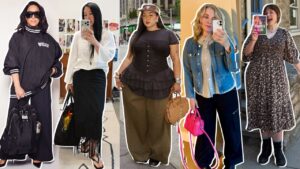
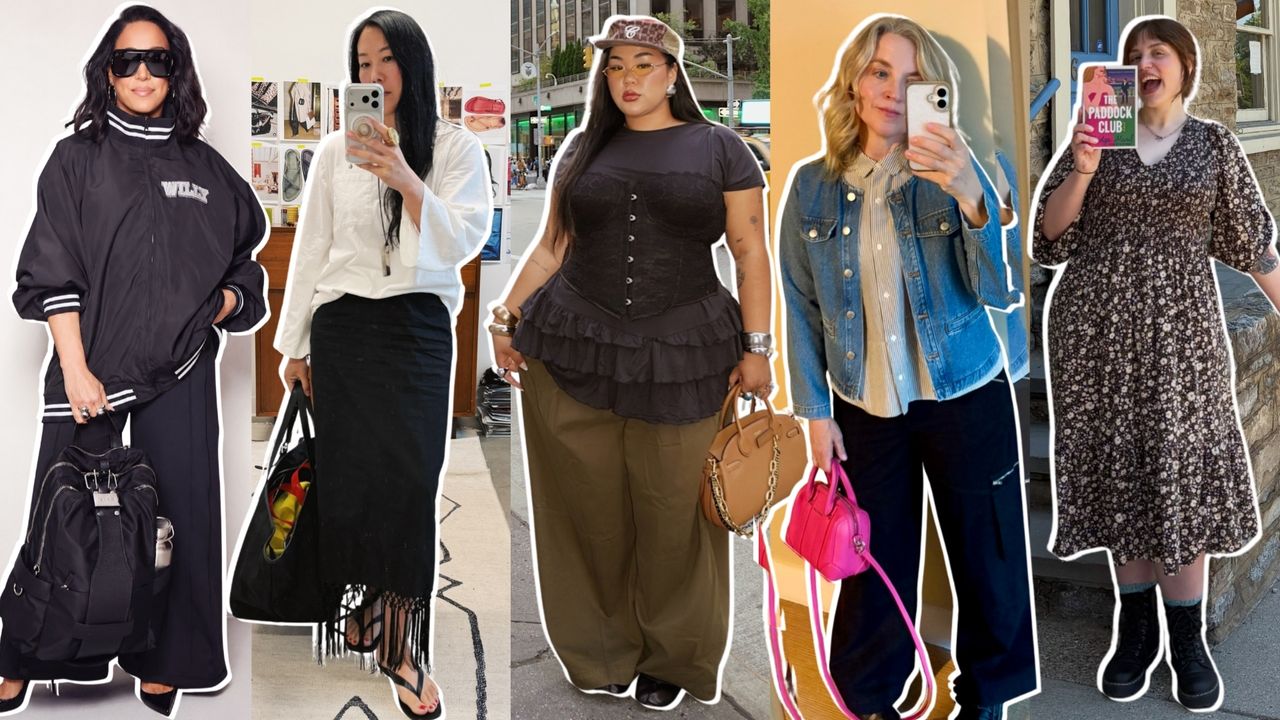
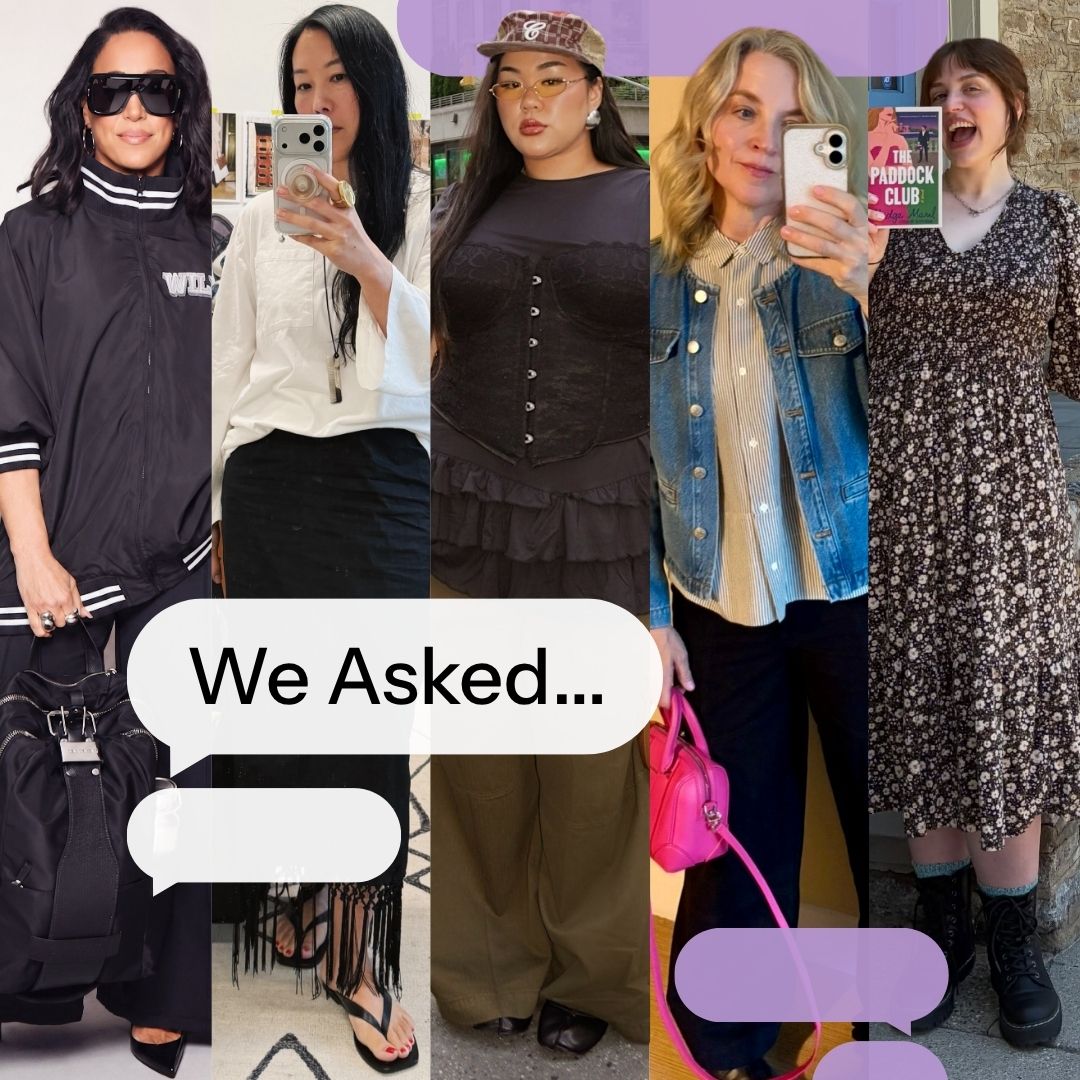
Glamour spoke with five women across their 20s through their 50s about what they are actually buying, wearing, and leaving behind – not in theory, but in practice. What emerged wasn’t a unified trend so speak so much as a generation-wide shrug at the concept of age-appropriate dressing altogether.
The Rule Nobody Officially Abolished
Age-appropriate dressing never had a single author. It accumulated over decades through magazine columns, department store floor layouts, and a loose cultural agreement that certain silhouettes, hemlines, and colors belonged to certain decades of a woman’s life. Mini skirts were for your twenties. Structured blazers arrived somewhere in your thirties. Beige, apparently, was for later. Nobody voted on this. It simply calcified.
What’s different now is that the calcification is visibly chipping. Women in their 50s are wearing what women in their 20s wear, not because they’re chasing youth but because the clothes are well-made and they like them. Women in their 20s are gravitating toward what might once have been called “mature” dressing – tailored trousers, silk blouses, low heels – because those items photograph well, feel expensive, and age better in the wardrobe than fast fashion alternatives.
The five women Glamour interviewed span different cities, professions, and budgets, which makes their shared skepticism about age-based style rules more striking. None of them described navigating a mental checklist of what’s too young or too old. They described getting dressed the way most people actually do: based on what fits well, what they can afford, and what they reach for repeatedly without quite knowing why.
What Women Are Actually Buying Right Now
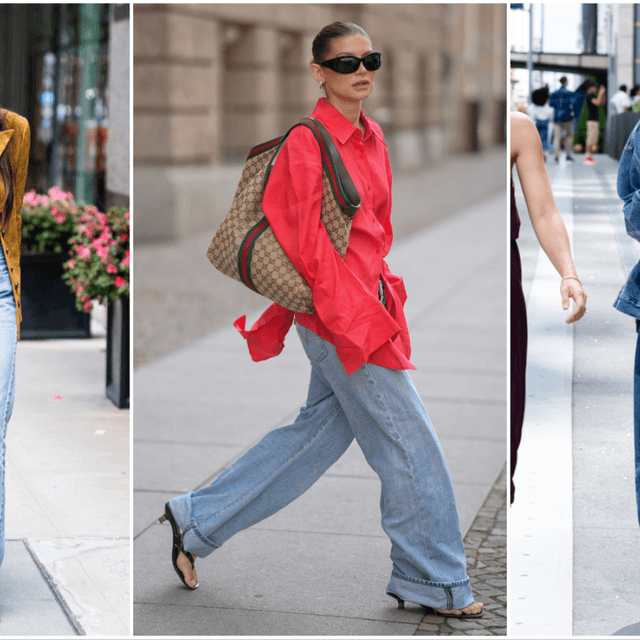
The shopping patterns across this group don’t point to a single aesthetic. One woman in her 20s mentioned abandoning the trend-chasing cycle entirely, investing instead in fewer pieces that hold their shape. A woman in her 50s described buying her first pair of wide-leg jeans at an age when conventional wisdom might have steered her toward straight cuts. These aren’t dramatic rebellions. They read more like minor corrections after years of dressing for an audience that no longer exists.
What’s being left behind is more telling than what’s being bought. The phrase “that’s not for me anymore” – usually applied to something short, bright, or considered too casual – came up in how Glamour framed the question, but notably less in how the women actually answered it. The mental editing process, where you rule something out before you’ve even tried it on purely because of how old you are, seems to be losing its automatic hold.
The Internet Didn’t Cause This, But It Accelerated It
When style inspiration lived in magazines, editorial teams made conscious choices about who appeared on which pages. The “over-40” section existed as its own contained universe. Algorithms don’t segment content that way. A 22-year-old scrolling through short-form video in 2025 encounters styling content from creators across every age bracket, not because the platform is making a cultural statement but because engagement doesn’t sort by the subject’s birth year.
This has changed what feels normal to reach for. The 75-year-old in a bold printed coat isn’t a novelty feature – she’s Tuesday’s third video in the feed. The 50-year-old in a slip dress isn’t aspirational in a self-conscious way; she’s just someone who bought the dress and liked it. That kind of repeated visual exposure has a slow, quiet effect on what feels age-coded and what doesn’t. The mental categories soften.
There’s also something more straightforward happening: women in their 20s through 50s have more economic overlap than they once did. The same Zara rack, the same Mango sale, the same vintage find on Depop serves shoppers across a 30-year age span. When the clothes themselves aren’t segmented, dressing by demographic becomes harder to sustain, practically speaking.
For a generation growing up watching style references collapse across age and subculture simultaneously, the idea that a hemline length is someone’s exclusive property by virtue of their birth year just doesn’t hold the same logic it once did. The concept requires a shared belief to function. That belief is getting harder to maintain when the evidence against it is visible every time you open your phone.
So What Happens to Getting Dressed
What’s left when the age framework falls away isn’t chaos. The five women in this piece weren’t dressing without any logic – they were dressing by different criteria: comfort, quality, personal history with certain silhouettes, what makes them feel like themselves rather than a corrected version of themselves.
That shift is harder to photograph than a trend. “Dressing your age” was always a shorthand for legibility – a way of signaling that you knew the rules and were following them. The women opting out of that aren’t signaling defiance, either. They’re just getting dressed.
The more interesting question might not be whether age-appropriate dressing matters anymore, but why it mattered so specifically to women in the first place. Men’s style has always had a quieter, more flexible relationship with age-based rules – a 55-year-old man in a white T-shirt and jeans is rarely framed as dressing too young. The conversation has always been louder, more prescriptive, and more policed when directed at women. That asymmetry didn’t disappear when the trend cycle sped up, but it’s at least being named more directly than it used to be.
One of the five women Glamour interviewed was in her 20s and described leaving behind the very trends she’d chased just two years earlier. Another was in her 50s and described buying something she’d have talked herself out of at 35. Neither was making a statement. The 50-year-old just really liked the jeans.