




The Kiss That Wasn’t
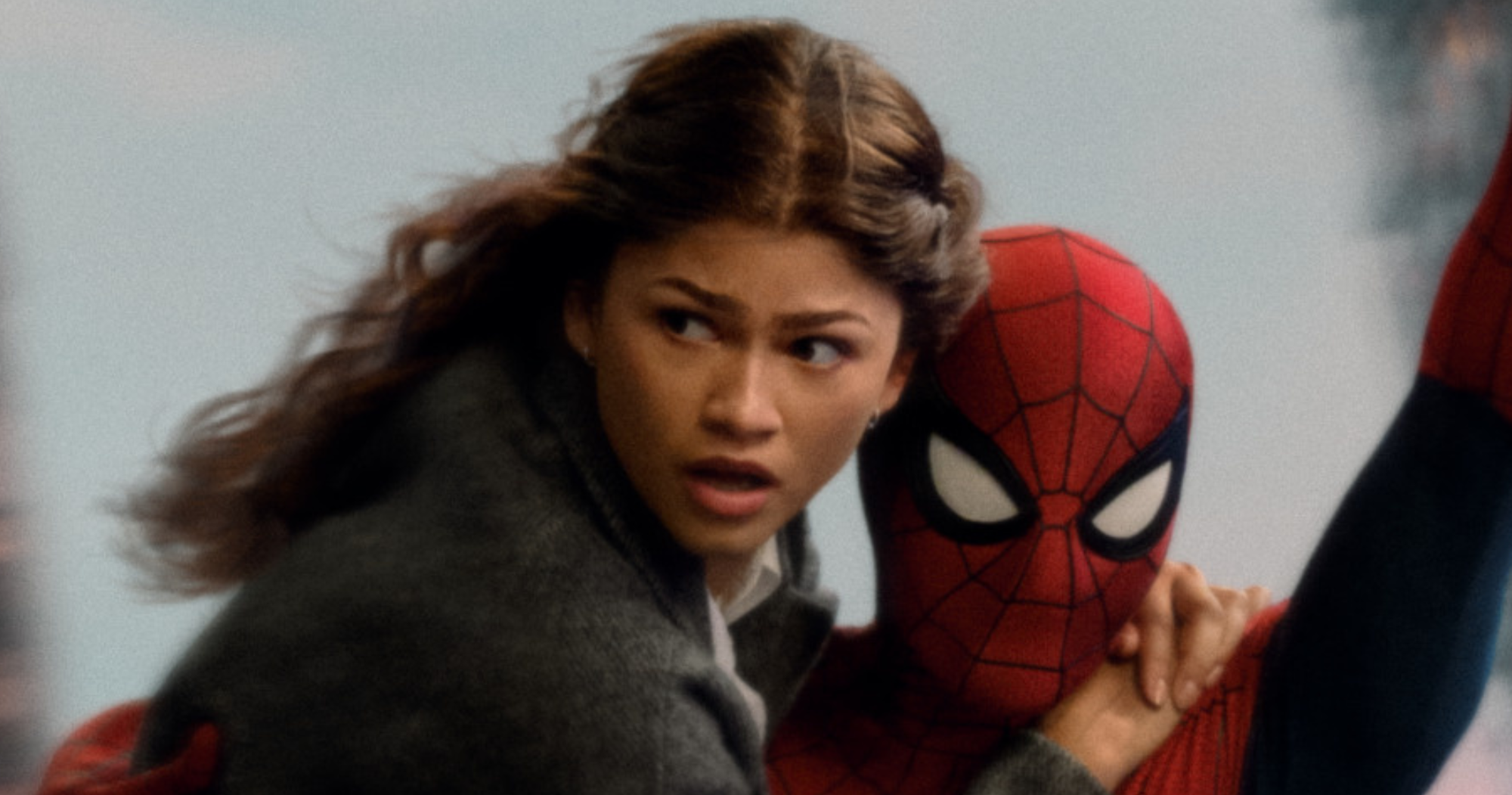
There’s a scene in Spider-Man: Brand New Day that people can’t stop talking about, and it has nothing to do with web-slinging or fight choreography. Peter Parker, played by Tom Holland, believes he’s finally gotten MJ back after rescuing her from Jean Grey’s control. They kiss. It feels like a reunion. Then the film reveals Jean Grey, played by Sadie Sink, was still inside MJ’s mind during that moment – and the real MJ has no memory of Peter at all, let alone the kiss she didn’t actually consent to give.
What follows is the part that’s driving conversation online: Peter apologizes to MJ anyway, even though she has no recollection of what happened. He doesn’t explain it away. He doesn’t lean on the circumstances – the supervillain manipulation, the genuine confusion – as an excuse to skip the discomfort entirely. He tells her what occurred, owns it, and lets that sit.
Why an Apology in a Marvel Movie Is Generating This Much Discussion
On Threads, audiences have been singling out the moment as unusually thoughtful for a superhero blockbuster. The praise centers on what Peter doesn’t do: at no point does he minimize MJ’s experience or position himself as the wronged party. For a genre that has historically treated romantic pursuit as inherently justified – hero wants the girl, hero gets the girl – the scene functions almost as a deliberate course correction.
Angelique Wan, co-founder and CEO of Consent Labs, points to the scene’s familiarity as the source of its resonance. “The scene reflects the reality that harm is not always obvious or intentional, and that conversations about consent are rarely black and white. People don’t always have all the information they need to make fully informed choices,” she explains. Peter isn’t positioned as a villain in this scenario, and MJ isn’t framed as a victim in any simple sense. The moral weight is distributed in a way that mirrors how these situations actually unfold outside of fiction.
Wan adds an important qualifier that the film itself doesn’t fully engage with: “It’s also worth noting that the film doesn’t extend the same nuance to Jean Grey, who acted with full knowledge of the situation.” So the movie is doing something interesting with Peter’s gray area while keeping Jean’s culpability relatively clean-cut. Whether that’s a storytelling convenience or an intentional contrast is open to interpretation, but it’s a distinction worth flagging.
“These nuanced, everyday scenarios make the scene so relatable and open the door to meaningful conversations about consent,” Wan says. That phrase – everyday scenarios – is doing a lot of work here. There’s no Jean Grey in most people’s lives. There is, however, the experience of acting on incomplete information, of something going sideways despite good intentions, of having to decide afterward whether to say anything at all. Peter says something.

What the Scene Actually Gets Right About Consent
The specific mechanics of why the apology lands matter. Peter isn’t asking for forgiveness. He isn’t using the confession as a bid for emotional intimacy – “I kissed you, so clearly I care.” He’s informing MJ of something that happened to her, treating that information as hers to have, even knowing she’ll never remember it on her own. That distinction, between disclosure as accountability versus disclosure as self-absolution, is where a lot of real-world conversations about consent fall apart.
Consent being described as ongoing rather than a one-time checkbox is the framing that’s gaining traction in discussions around the scene. The apology reinforces that even when harm isn’t intentional, acknowledgment still matters. For a genre built on heroes who are occasionally too confident in their own judgment, having Peter Parker sit inside that discomfort without resolving it neatly is genuinely unusual writing.
Tom Holland’s Peter Parker, Emotional Honesty, and the Stakes of Getting This Wrong
There’s a larger context here around how superhero films handle masculinity, and Brand New Day is doing something specific with Holland’s version of Peter. This iteration of the character has always leaned into emotional openness – the panic, the grief, the longing – rather than the stoic competence that defined earlier portrayals. The apology scene is consistent with that characterization but pushes it further. Being emotionally open is one thing. Sitting with moral accountability over something you didn’t fully control is another.
The internet’s reaction to a fictional apology in a Marvel movie says as much about what audiences are hungry for as it does about the scene itself. The conversation it’s sparked on Threads isn’t really about Spider-Man – it’s about recognition. People are seeing something in Peter’s behavior that they either wish had happened in their own lives or that they’re measuring themselves against.
Wan’s point about Jean Grey lingers here, though. The film wants credit for moral complexity in one corner of this triangle while keeping another character’s wrongdoing straightforward enough to fit a villain’s arc. Peter gets the gray area. Jean gets culpability. MJ, the person at the center of the incident, navigates the whole scene without the memory that would let her decide how to feel about any of it – which is, depending on how you read it, either the film’s most honest detail or its most convenient one.