




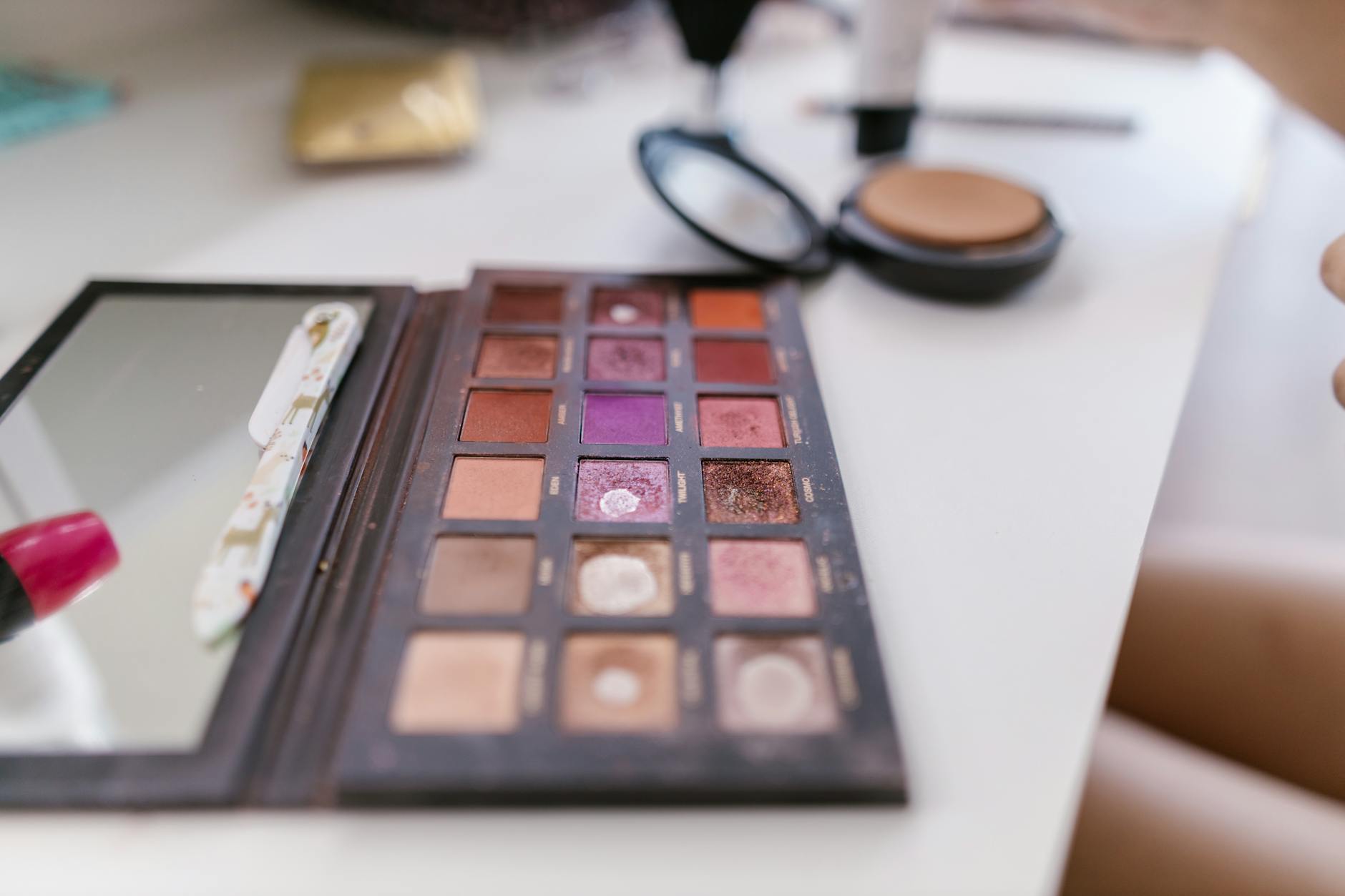
The beauty graveyard tells its own story. Creator TreasurexTrove recently dusted off her collection of 2010s eyeshadow palettes on Instagram, revealing the archaeological layers of a decade defined by excess. Anastasia Beverly Hills’ Modern Renaissance, Urban Decay’s Naked, Lorac’s Mega Pro, NYX’s Ultimate Shadow Palette – each name carries the weight of countless YouTube tutorials and the particular thrill of swatching every single shade.
Yet somewhere between then and now, the 12-plus pan palette lost its grip on beauty culture. Those sprawling Pat McGrath Motherships and Jaclyn Hill x Morphe collaborations that once functioned as ultimate status symbols now gather dust in drawers across America. The shift happened quietly, without fanfare or official announcement.
The iTunes Effect Hits Beauty
Single eyeshadows are staging their comeback with the precision of a calculated campaign. Where palettes offered the full album experience – complete with shades you’d never touch – solo shadows operate like the iTunes era of music consumption. Pick what you actually want, skip the filler, build your own collection piece by piece.
This model resurrects memories of Z Palette, the magnetized DIY solution that let users curate their dream palette from depotted singles. The concept felt revolutionary then, allowing beauty enthusiasts to bypass the tyranny of predetermined color stories. Now that same philosophy drives an entire market segment.
Brands have quietly deprioritized those mega-palettes that once anchored holiday launches and limited-edition collaborations. The question becomes circular: did consumer behavior shift first, or did brands simply stop creating the massive palettes that drove purchase decisions? The beauty equivalent of chicken versus egg plays out in real time across social media feeds and Sephora shelves.
Small-Batch Beauty Wins
Tightly edited options now dominate the conversation. Patrick Ta’s Major Dimension duos and Glossier’s Monochromes trios offer just enough variety without overwhelming choice paralysis. Classic Chanel quads practically map out complete looks, eliminating guesswork while maintaining sophistication.

The economics make sense for both sides of the transaction. Consumers avoid paying for unwanted shades while brands reduce production complexity and inventory risks. A focused selection of high-performing singles generates more revenue per square inch of shelf space than sprawling palettes with uneven usage patterns.
Shopping Habits Mirror Streaming Culture
This shift mirrors broader changes in how people consume everything from entertainment to fashion. The same generation that abandoned album purchases for curated playlists now approaches makeup with identical logic. Why commit to an entire palette when three carefully chosen singles deliver better results?
Social media accelerated this transition. Instagram and TikTok tutorials rarely showcase entire palettes anymore, instead featuring one or two standout shades that viewers can easily identify and purchase. The algorithm rewards specificity over abundance.
Beauty retailers have adapted their merchandising accordingly. Singles now occupy prime real estate previously reserved for palette displays. Sephora’s organization system groups solo shadows by finish and undertone rather than brand, encouraging cross-brand experimentation that palettes traditionally discouraged.

Yet the palette graveyard raises uncomfortable questions about beauty culture’s relationship with consumption. Those dusty Modern Renaissance palettes represent not just changing preferences but genuine waste – dozens of barely-touched shades that someone once coveted enough to purchase. Will today’s single shadow collections eventually face the same fate, scattered across makeup drawers as testament to another era’s shopping habits?