



The Character Who Refused to Date
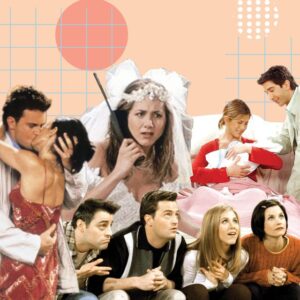
Monica Gellar kept the apartment. Phoebe Buffay kept the songs. But three decades after Friends first aired, it’s Rachel Green’s closet that the fashion world keeps raiding. What started as a mid-’90s sitcom character’s wardrobe has quietly become a reference point that stylists, influencers, and fast-fashion buyers return to with uncomfortable regularity – not out of nostalgia, but out of genuine utility.
That’s the part worth paying attention to. Nostalgia dresses things up in sentiment. What’s happening with Rachel Green’s style isn’t sentimental – it’s functional. The silhouettes hold. The proportions work. The instinct behind the looks, that particular mix of ease and effort, translates to how people actually want to dress now.
What “Relevant” Actually Means Here
More than 30 years is a long runway for any fictional character’s aesthetic to stay in circulation. Most TV wardrobes age into costume territory within a decade – think of how quickly power shoulders became parody, or how fast certain ’90s trends collapsed into Halloween fodder. Rachel’s styling avoided that gravitational pull, and the reason isn’t mysterious: the clothes were never really about trend adoption. They were about fit, proportion, and a very specific kind of femininity that wasn’t trying too hard.
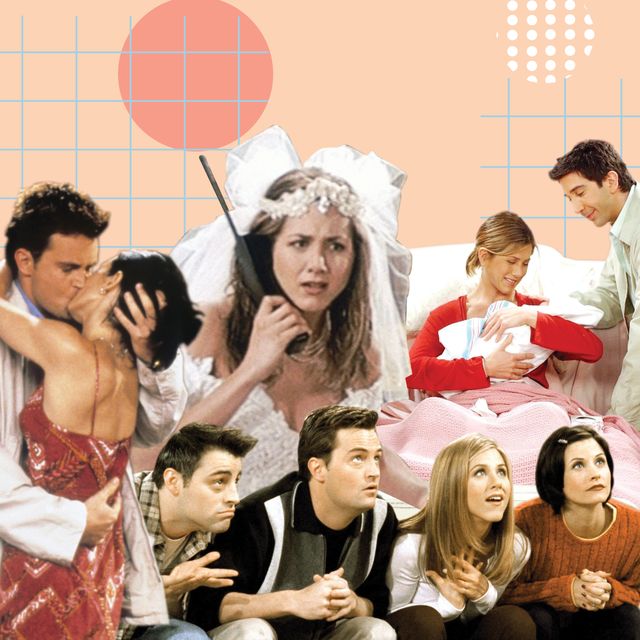
Jennifer Aniston wore those pieces in a way that made them look chosen rather than assigned. The mini skirts, the slip dresses, the high-waisted trousers, the layered tanks – none of it read as costume on screen, even when the cuts were distinctly of their moment. That’s a harder thing to pull off than it sounds. Actors on television are frequently dressed to signal character rather than to actually flatter, and the result is clothing that exists in service of a role, not in conversation with the real world.
Rachel’s wardrobe managed both simultaneously. Her character worked in fashion – first as a waitress at Central Perk, eventually at Bloomingdale’s and Ralph Lauren – which gave the show’s costume department license to push harder than most sitcoms would. The clothes were part of her identity in a way that felt earned by the narrative, not bolted on. When a character’s relationship to clothing makes sense within the story, audiences absorb it differently. They remember the pieces, not just the outfits.
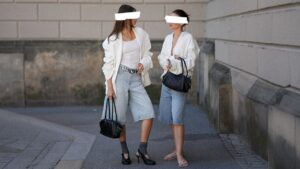
The specific items that keep resurfacing – the plaid sets, the printed slip dresses, the barely-there heels paired with tailored separates – are all things that current designers have returned to without necessarily citing Friends as a source. That’s the quieter form of influence: when a reference dissolves so completely into the culture that it stops needing attribution.
The Aniston Effect
Separating Rachel Green’s style from Jennifer Aniston’s actual presence is nearly impossible, and probably pointless. Aniston’s physicality – the way she moved, held herself, wore things loosely rather than precisely – gave the wardrobe a quality that couldn’t have been achieved by a different actor in the same clothes. Style on screen is always a collaboration between costume and body, and that particular collaboration landed in a way that made the results look effortless.
Aniston has remained a consistent presence in fashion conversations long after Friends ended in 2004, which means there’s been no gap through which the Rachel Green association could fade. Every red carpet appearance, every magazine cover, every paparazzi shot functions as a soft continuation of the original aesthetic – updated, but recognizably related. The through-line is visible, and that continuity keeps the Friends-era references alive in a way that other ’90s and early-2000s TV wardrobes simply aren’t.
Why 2025 Keeps Looking Backward
The current appetite for ’90s and early-2000s fashion isn’t a simple cycle. It’s more selective than that – not everything from those decades is getting revived with equal enthusiasm. What’s coming back tends to share certain qualities: wearability, a certain relaxed tailoring, an avoidance of the kind of extreme silhouette that looks dated within two seasons. Rachel Green’s wardrobe checks all of those boxes in a way that, say, Carrie Bradshaw’s does not. Bradshaw’s style was always theatrical by design. Rachel’s was aspirational in a quieter register.
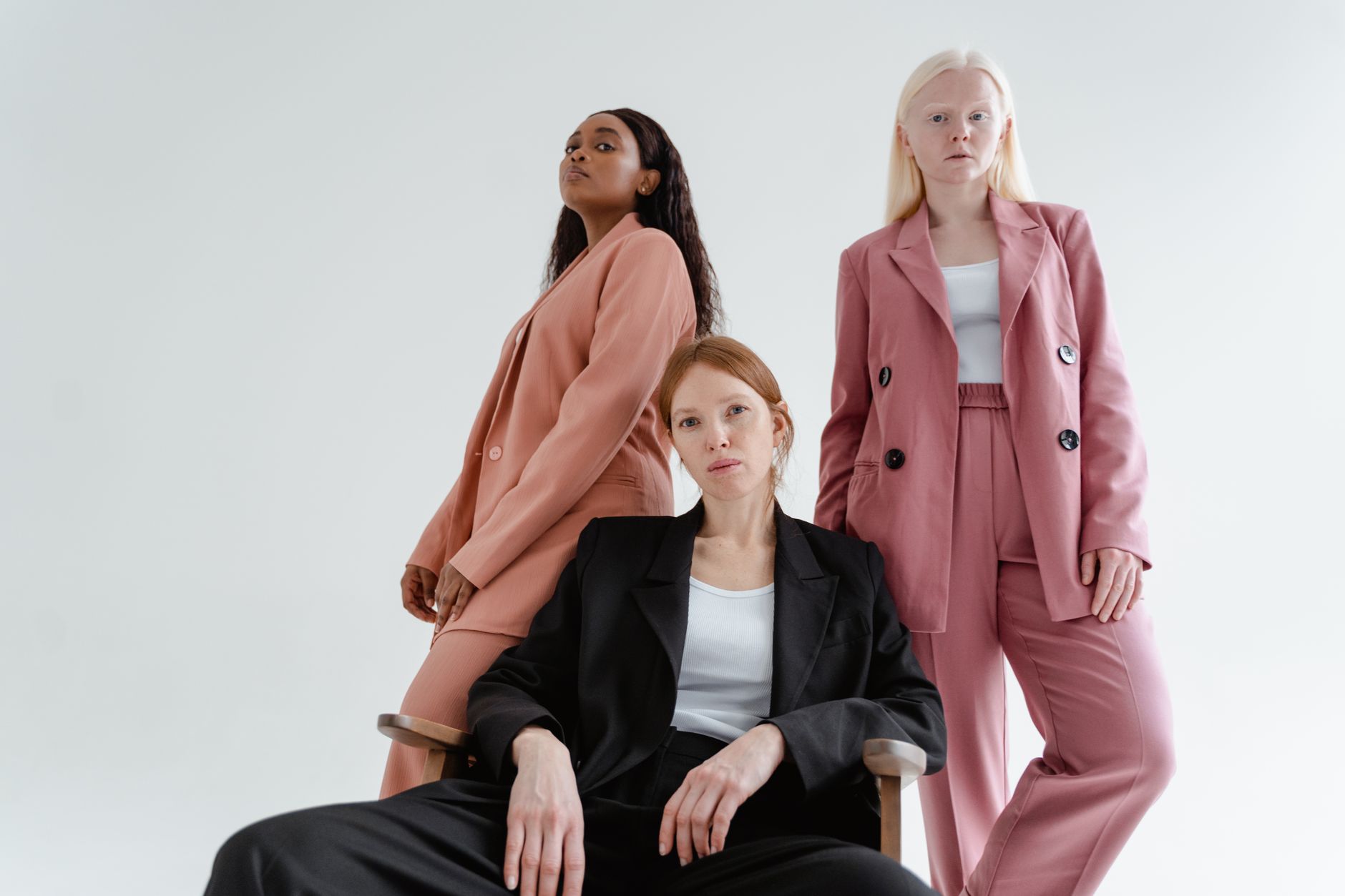
That quieter register is exactly what a significant portion of the current fashion conversation is chasing. The maximalism of the late 2010s has receded, and what’s replacing it leans toward the kind of refined simplicity that Rachel’s best looks embodied – a well-cut blazer, a perfectly proportioned skirt, something that looks like it took five minutes but required considerably more thought.
It’s also worth noting that the Friends cast has remained culturally visible in ways unusual for a show that ended more than two decades ago. Reunions, streaming availability on Max, and the consistent social media presence of its cast members mean that younger audiences are encountering the show – and Rachel’s wardrobe – without the distance that usually softens a reference into pure nostalgia.
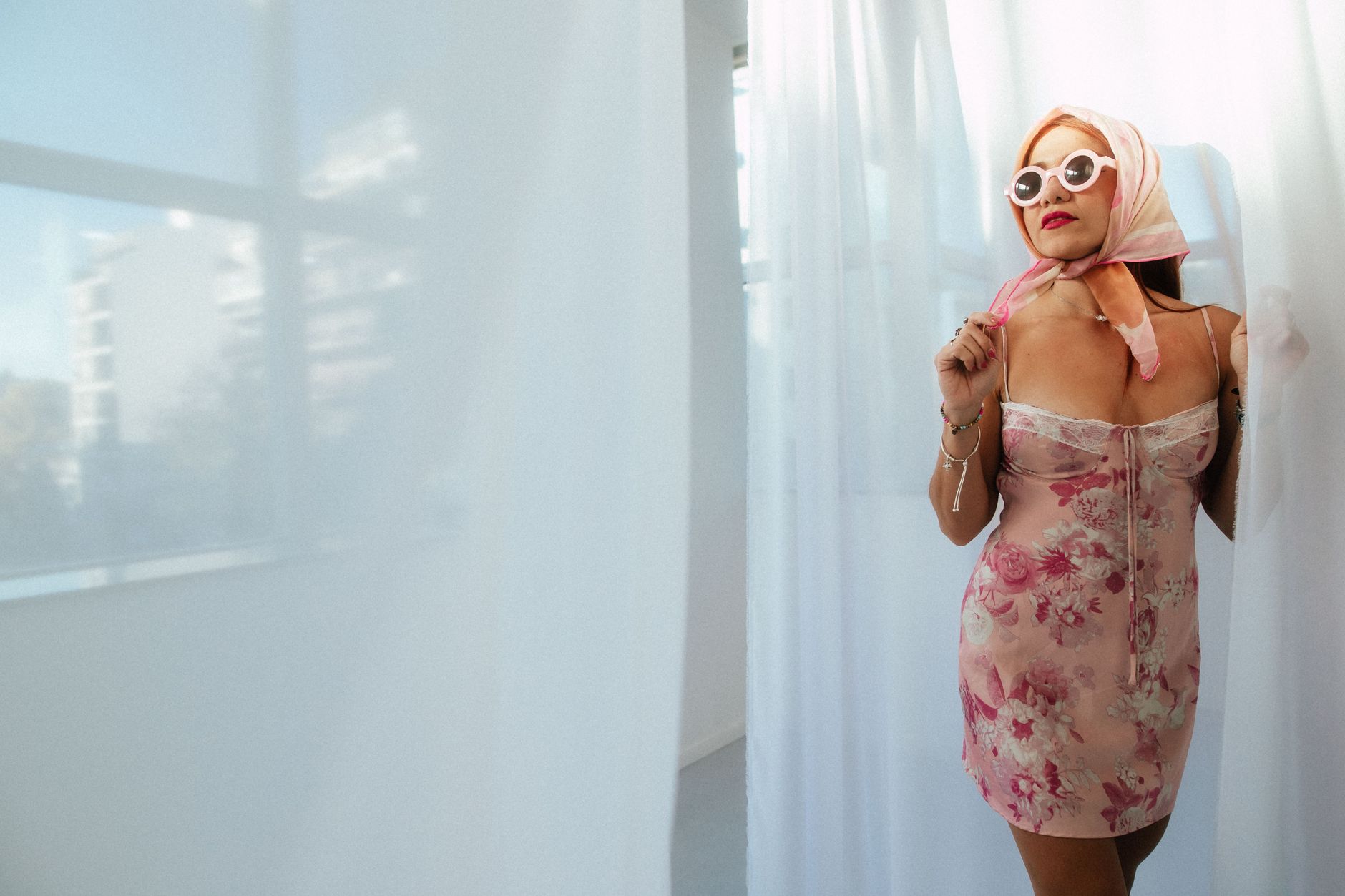
Which raises a genuinely uncomfortable question for fashion: at what point does a fictional character’s style become so thoroughly absorbed into the visual language of an era that she stops being a reference and starts being an origin point? Monica cooked. Phoebe sang. Rachel dressed – and somehow, that turned out to be the most durable thing any of them did.