





When the Forecast Becomes Part of the Fit
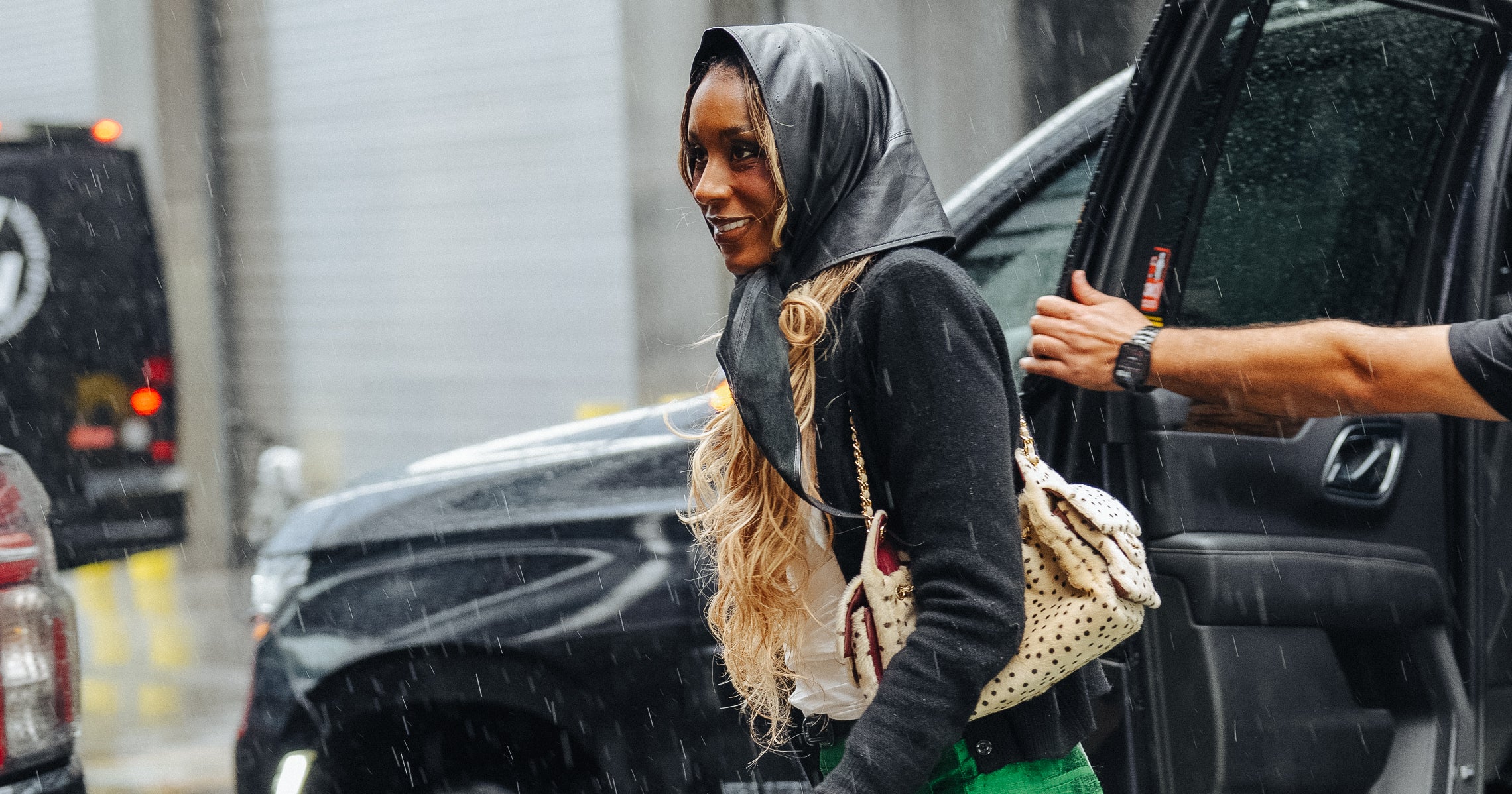
New York Fashion Week ran on September 13, 2026, and it rained. Not a polite drizzle that lets you pretend it isn’t happening, but the kind of sustained wet that makes every styling decision feel like a negotiation between vanity and survival. The show-goers outside did not, for the record, surrender.
What emerged from the streets around the RTW Spring-Summer 2027 shows was a loose but consistent philosophy: you don’t dress around bad weather, you dress with it.
Five outfits from that day are worth examining closely – not because they’re waterproof, but because they’re smart.
The Logic of Selective Practicality
The instinct, when rain is forecast, is to abandon everything in favor of function. Swap the good shoes for sneakers. Ditch the dress for denim. Pack the silk and reach for the Gore-Tex. What NYFW street style on September 13 argued, pretty convincingly, is that this instinct is wrong – or at least lazy. Dressing for wet weather doesn’t require every single element of an outfit to be waterproof. It requires identifying which elements need to be, and making those do the heavy lifting so everything else can remain interesting.
A rain boot, for instance, handles all the structural anxiety of a wet sidewalk. Once that problem is solved, a frilly lace dress stops being impractical and starts being a deliberate contrast. A hood eliminates the need for an umbrella entirely, freeing up the rest of the look from any obligation to be utilitarian. Cropped hem pants, closed-toe shoes, and a well-chosen parasol can collectively cover enough ground that the coat doesn’t have to.
This is the organizing principle behind all five looks photographed by Seleen Saleh for WWD outside the Spring-Summer 2027 shows. Each one identifies a single point of vulnerability – wet feet, wet hair, a soaked hem – and addresses it directly, while leaving the rest of the outfit free to operate as if the weather were irrelevant.
What the Best Looks Actually Did
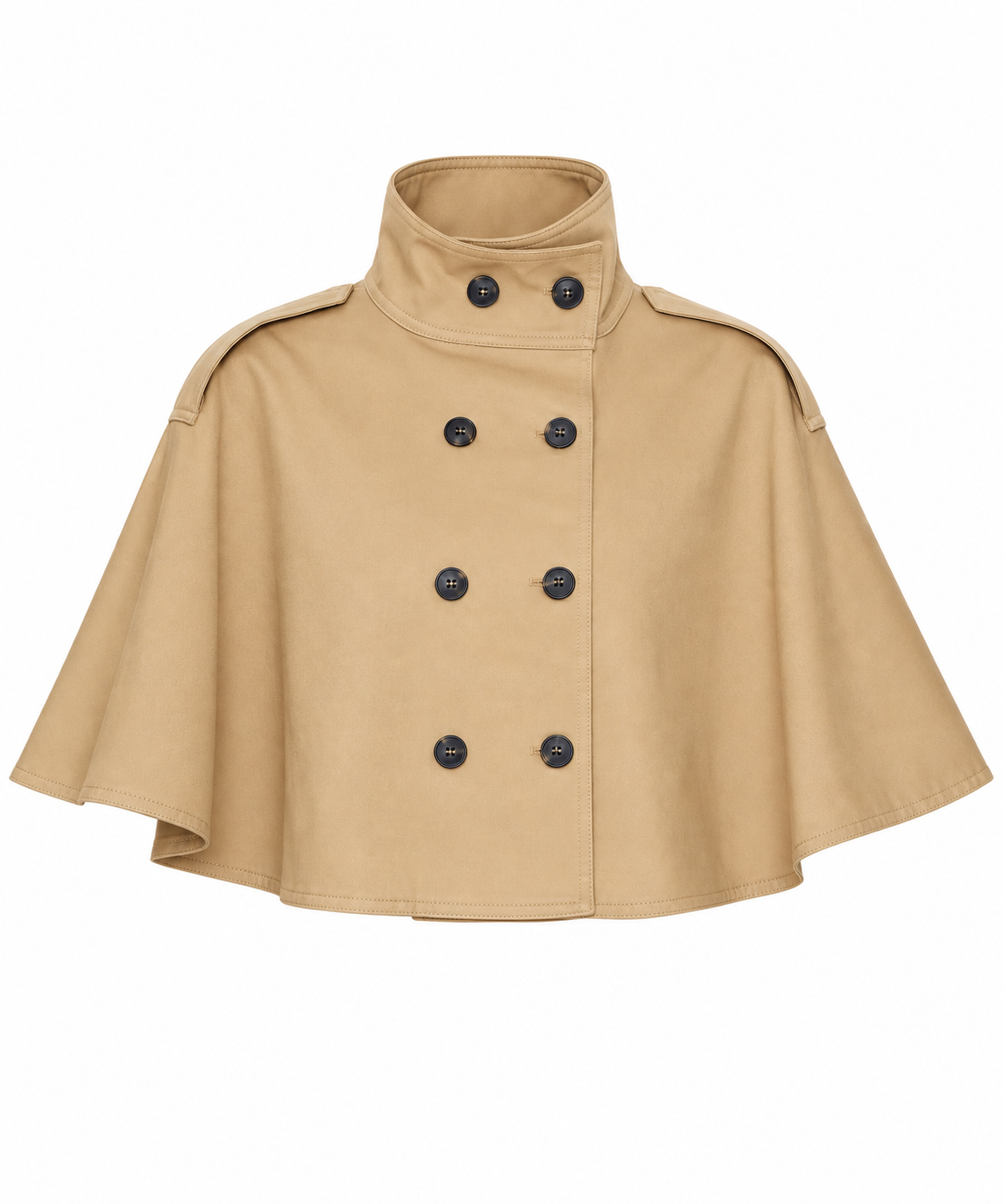
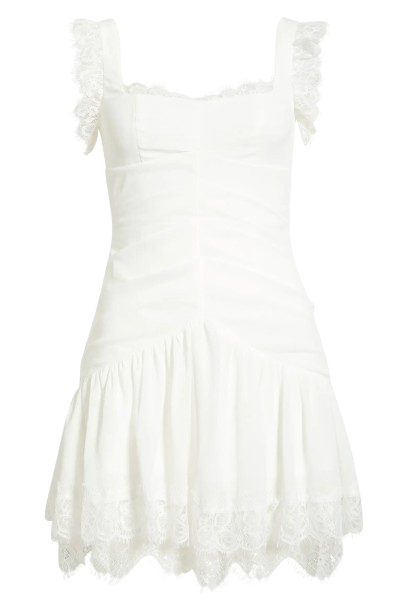
The standout from the day pairs green rain boots with a white lace dress and a cropped trench cape. On paper, this sounds like a styling accident. In practice, the contrast is the entire point – nothing in the outfit is pretending to be something it isn’t. The boots are unambiguously boots. The lace is unambiguously delicate. The trench cape sits between them, cropped short enough that it doesn’t overwhelm the dress and structured enough that it doesn’t read as an afterthought. The reason it works is precisely because the pieces don’t try to resolve their differences. They just coexist, and the tension between them reads as intention.
Umbrella coordination also surfaced as a recurring move across the five looks. An umbrella, when you’re carrying it through the streets of New York for the better part of a show day, becomes a visible accessory whether you planned for it to be one or not. Matching or deliberately contrasting it with the rest of the outfit shifts it from an afterthought to a finishing detail – the same logic that applies to a bag or a hat.
Footwear across the five looks split between two categories: rain boots styled against type – with dressier, more delicate pieces rather than the obvious casual pairings – and closed-toe shoes that can handle a wet sidewalk without full waterproofing. Both strategies avoid the outcome that actually ruins an outfit in the rain, which isn’t dampness, but the visible compromise of wearing shoes that are clearly wrong for everything else you have on.
Walking is non-negotiable in New York, and that fact alone changes the calculus of rainy-day dressing more than any styling rule does. An outfit that looks sharp standing still but falls apart after six blocks of wet pavement isn’t dressed for NYFW – it’s dressed for the car service that didn’t show up.
The Part That Doesn’t Resolve Neatly
What the September 13 street style at New York Fashion Week actually demonstrated is that the most interesting rainy-day outfits require more decision-making than dry-weather ones, not less – because you have to know exactly which problem you’re solving, and be willing to leave the rest of the outfit undefended. That takes confidence that most people, understandably, don’t feel when it’s raining. The woman in the green boots and white lace dress almost certainly knew it could go wrong. She wore it anyway, and a WWD photographer stopped her on the street.
