



A Dress With a Location
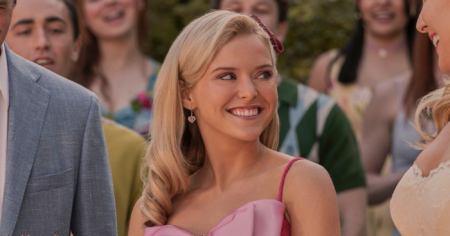
When Olivia Rodrigo stepped in front of cameras at the press conference for her Daisy Chain Fields music festival, the pink dress she wore had an address. Made by Nöl Collective, a Palestinian design house founded by Yasmeen Mjalli, the garment was constructed on the ground in Palestine – raw silk, flutter sleeves, dusty rose, and embroidery stitched with specific intent. The singer is 23. She has been publicly vocal about women’s rights since her teenage years. Wearing that dress, at that moment, was not an accident.
Mjalli put it plainly in an interview: “It helped say, ‘We are still here; we have not been forgotten.’ It meant the world to us.” The festival itself raised $20 million USD for women’s charities. Rodrigo announced an initial $10 million donation at the same press conference where the dress first appeared. The two things – the money and the garment – arrived in the same moment, and neither one was quiet.

How the Collaboration Actually Worked
Mjalli doesn’t know exactly how Rodrigo’s team found Nöl Collective. That origin remains unclear. What she does know is that once contact was made, her studio stayed in close communication with Rodrigo’s people throughout the entire design process. The singer’s team came in with a general direction: something that fit her established aesthetic, a recognizable silhouette, and the color pink. Beyond those parameters, Nöl Collective had significant room to move.
“We had a lot of creative freedom in the details,” Mjalli explained, “such as the shade of pink – a soft and dusty rose – the type of material we used, raw silk, details like the flutter sleeves, frilled neckline, the embroidery motifs and the embroidery colours.” That is not the kind of latitude most major pop stars extend to smaller, independent design houses, particularly those outside the traditional fashion capitals. The result was something Mjalli described as honoring Rodrigo’s style while also reflecting our own identity – a balance that rarely holds when the bigger name is in the room.
Raw silk is not a neutral choice. It carries texture, weight, and a particular finish that photographs differently than synthetic alternatives. Choosing it for a garment destined for a press conference stage – under lights, in photographs, on a 23-year-old pop star with millions of followers watching – was Nöl Collective committing to the material reality of what they make and where they make it.
What Palestinian Embroidery Actually Says
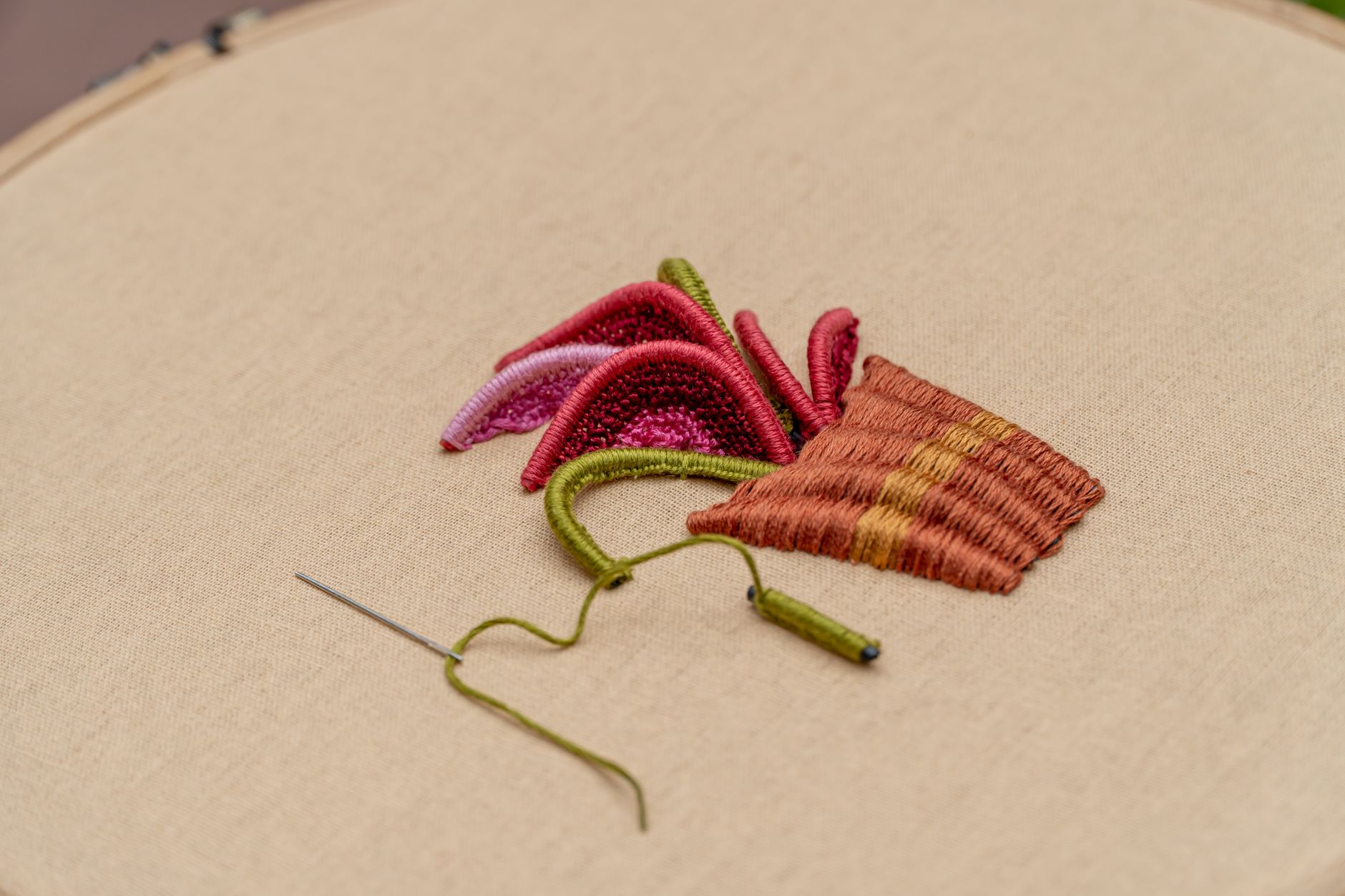
The embroidery on the dress was not decorative in the conventional sense. Palestinian embroidery, known as tatreez, carries encoded meaning – patterns tied to region, identity, political resistance, and the natural world. Nöl Collective selected each motif deliberately, with the specific context of Rodrigo’s festival shaping those choices. The flowers, Mjalli noted, connected directly to the Daisy Chain Fields theme. Nothing on the dress was filler.
This matters because it shifts what the garment is. It stops being a celebrity wardrobe choice and becomes something closer to a document. Palestine is currently under Israeli military occupation, and the conditions facing people living there – including designers, craftspeople, and small business owners like those at Nöl Collective – are severe and ongoing. A piece of clothing made under those conditions, traveling to a major public platform via a pop star’s press appearance, carries the weight of that context whether or not the cameras linger on it.
Nöl Collective knows this. The brand has built its identity around the idea that Palestinian embroidery holds political and cultural power – that the act of making, selling, and placing these garments in the world is itself a form of presence. Mjalli’s comment about not being forgotten is not a metaphor. It describes something literal: a community asserting its continued existence through the objects it produces, and those objects finding their way into spaces – press conferences, photographs, news cycles – that reach people who might not otherwise encounter them.
The Daisy Chain Fields festival, which Rodrigo modeled on Sarah McLachlan’s Lilith Fair, positioned itself as a platform for women’s causes. The $20 million raised for women’s charities gives the event scale. But the dress introduced a different register entirely – not charity, not fundraising, but solidarity expressed through craft and supply chain. Who made your clothes, where they made them, and what symbols they chose to put on them: these are not small questions in 2026, and Rodrigo’s team apparently understood that when they reached out to a Palestinian design house rather than defaulting to a name-brand atelier.

What Comes After the Photograph
Mjalli says the collaboration meant the world to Nöl Collective. That phrase could read as polite gratitude, but given the conditions under which her studio operates, it reads differently. A moment of global visibility – attached to a pop star with Rodrigo’s reach, at an event generating $20 million in charitable attention – is not something most Palestinian designers get access to. The dress existed in that moment, on that stage, in those photographs.
Nöl Collective is still there. Still making things. The embroidery is still political, the raw silk is still the material, and the flowers still mean what they meant on the day Rodrigo walked into that press conference. Whether the visibility from this moment translates into sustained attention for the brand – more orders, more collaborations, more space in the conversation about fashion and resistance – is the open question Mjalli is left holding after the cameras moved on.