




Twenty-six years after Practical Magic became a quiet cult favorite – undersold on its 1998 release, then slowly claimed by generations of women who found something in it they couldn’t name – a sequel is actually happening. And the two women at the center of it have a lot to say about why now makes sense.
A Film That Took Its Time Becoming Beloved
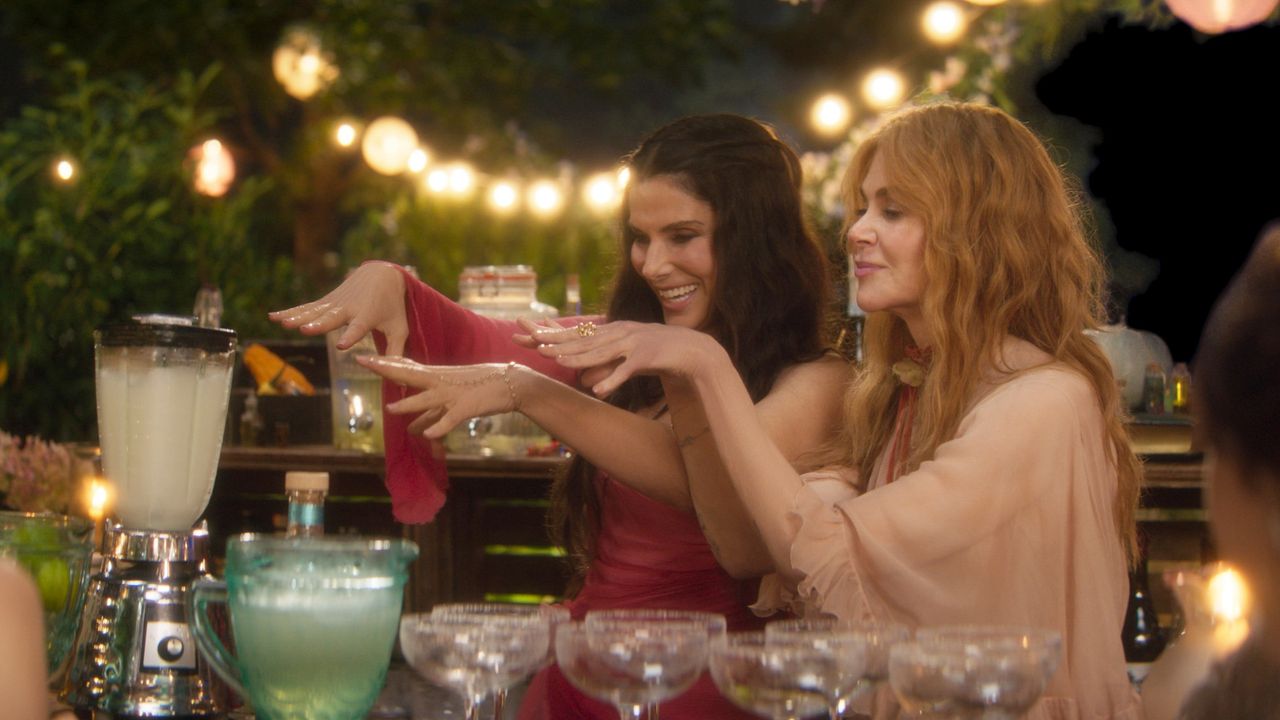
Practical Magic was not a triumph when it opened. The Warner Bros. romantic fantasy, starring Nicole Kidman and Sandra Bullock as the Owens sisters – witches navigating love, loss, and small-town suspicion – landed with modest reviews and middling box office numbers. It cost around $75 million to make and earned roughly $46 million domestically. By Hollywood’s standard accounting, that’s a disappointment.
What happened after is the more interesting story. The film found its audience on home video and cable, passed between friends, rewatched at sleepovers, quoted in dorm rooms. It became the kind of movie women describe as “something I grew up with” even if they first saw it at 30. The witchcraft was incidental. What stuck was the relationship between the sisters – the way Sally (Bullock) and Gillian (Kidman) fought each other, saved each other, and ultimately chose each other over everything else.
Both Kidman and Bullock have reflected on that dynamic in conversation with Glamour, framing the sequel not as a commercial correction but as a continuation of something genuinely unfinished. Their onscreen relationship, they’ve said, mirrors something real – the kind of friendship between women that gets richer, stranger, and more honest as they age.
Kidman put it plainly: “So many things get better with age.” It’s a short line, but it carries weight coming from someone who has spent the last decade doing some of the most interesting work of her career – Big Little Lies, Nine Perfect Strangers, Babygirl – all projects where the complexity of women’s interior lives is the actual subject, not the backdrop.
What the Sequel Means, and Why Female Friendship Is the Real Genre
There’s a tendency, when studios announce sequels to beloved properties, to reach for the most cynical explanation first: IP mining, nostalgia cash, a franchise framework being force-fit onto something that never asked for one. With Practical Magic 2, that reading doesn’t quite land. Neither Kidman nor Bullock needs this project financially or professionally. Both are coming off significant recent work – Kidman earning an Academy Award nomination for Babygirl, Bullock stepping back from film after Bullet Train to take a deliberate break. They are returning to this particular story because they want to, which shifts the whole conversation.
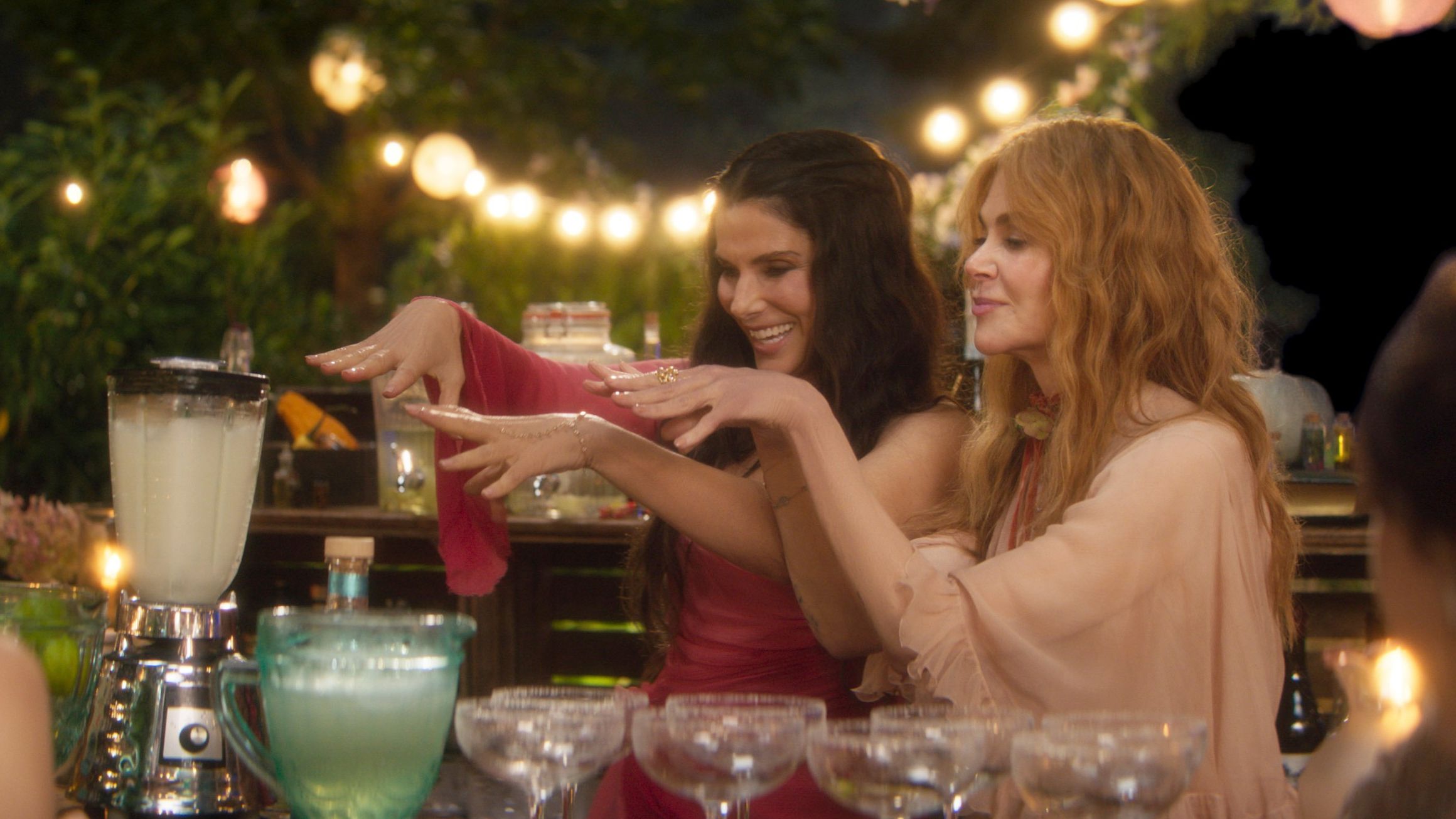
What the original film understood – and what the sequel appears to be building on – is that “female friendship” is often treated as a subcategory of something else. A warm backdrop to a romance. A comedic relief structure. A support system for the real plot. Practical Magic made the sisters the plot. Their bond was not decorative. It was the engine that drove every choice both characters made, and the thing the film ultimately argued mattered more than any romantic relationship either of them pursued.
Bullock has spoken about the connection between herself and Kidman in terms that echo what their characters share on screen – something that built slowly, deepened over time, and holds a specific kind of weight that younger friendships don’t always carry. That texture, the history two people accumulate together, is difficult to manufacture and nearly impossible to fake. Audiences tend to feel when it’s real.
That authenticity is arguably what made the original resonate so long after its release. The Owens sisters didn’t feel like characters who existed to serve a plot. They felt like women who had a whole life before the camera turned on, and would have one after it turned off. Getting Kidman and Bullock back together – older, with whatever has changed between them and within them – gives the sequel access to something no amount of script revision can produce artificially.
There’s also something worth noting about the timing. The cultural appetite for stories about women in middle age – their power, their rage, their refusal to disappear – has grown considerably since 1998. The landscape of prestige television and film has shifted enough that a story centering two women in their fifties, framed not as a tragedy of aging but as an expansion of ability and self-knowledge, is no longer a difficult sell. Kidman’s own recent output has pushed on exactly that territory. So has Bullock’s, in a different register.
The magic element matters here too, and not just as genre dressing. Witchcraft in popular fiction has long functioned as a metaphor for female power that the world finds threatening – power that must be hidden, managed, or punished. The Owens women in the original were feared before they were understood. A sequel that follows those same women older and less interested in apologizing for what they are could hit differently than it would have in the late nineties.
What Gets Carried Forward
Kidman and Bullock are both producers on the new project, which means their involvement isn’t limited to performance. They have a structural stake in what the film actually becomes – not just how their characters are written, but what the whole thing argues. That’s a different kind of creative commitment than showing up on set, and it suggests the sequel is being built around their vision rather than retrofitted to accommodate their availability.

The question hanging over Practical Magic 2 isn’t whether audiences will show up for Kidman and Bullock together again – that interest is already evident in the way the original film has been discussed, rewatched, and claimed for years. The question is whether the sequel can do what very few sequels manage: not just return to something beloved, but find out what it actually means to continue it. Sally and Gillian Owens survived their first film through each other. What does survival look like when the threat isn’t a violent ex or a town full of suspicion, but time itself?