




A Breakup That Broke the Timeline
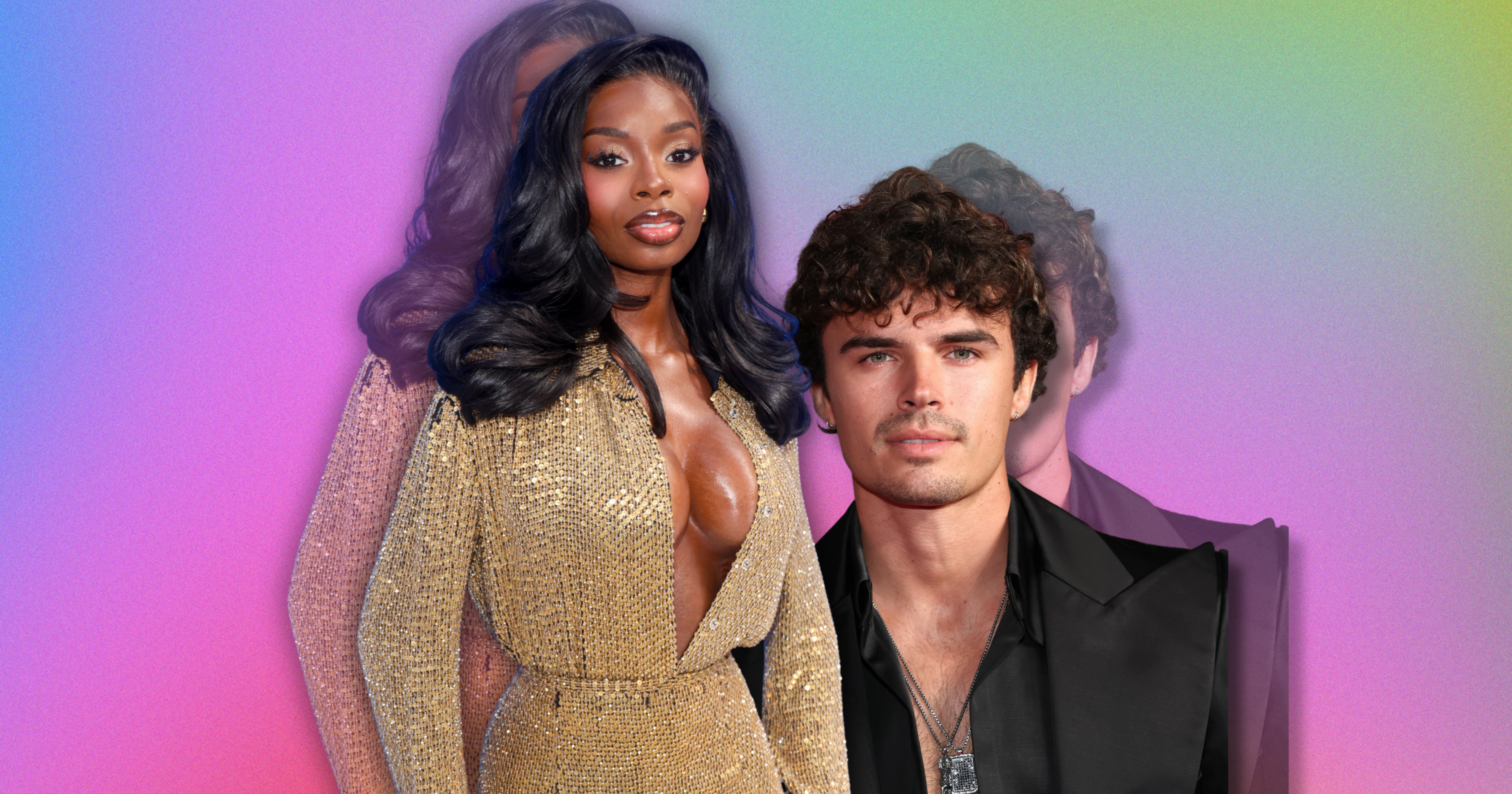
When PEOPLE reported that Love Island Season 7 alumni Olandria Carthen and Nic Vansteenberghe had split after a year of dating, the internet did not take it quietly. A source told the magazine that “the distance between them and their busy schedules made it challenging to maintain their connection,” and that the two “decided to part ways” while remaining close – the kind of boilerplate PR warmth that does absolutely nothing to stop the spiral of reaction posts, grief threads, and conspiracy theories that follow a breakup of this particular magnitude.
The Nicolandria fandom had been running at a specific kind of emotional intensity for months. This wasn’t just two people from a reality show dating. For a corner of the internet, it had become something closer to a belief system – which is exactly why the announcement hit with the weight it did.
A Rough Year for Celebrity Couples
2026 has been unkind to a long list of relationships people had quietly decided to root for. Margaret Qualley and Jack Antonoff split – with a Qualley source telling PEOPLE the couple is “figuring things out,” a phrase that sounds like hope but mostly just extends the uncertainty. Ariana Grande and Ethan Slater ended things, after which Grande reconnected with her ex, Ricky Alvarez. Sue Bird and Megan Rapinoe announced their separation, a piece of news that registered as a genuine gut-punch for fans who had treated them as a kind of cultural institution. Megan Thee Stallion and Klay Thompson broke up too, adding one more entry to what is shaping up to be a particularly brutal year for high-profile love stories.
Each of those breakups generated its own wave – speculation, outrage, mourning, or some combination of all three. But the Nicolandria split landed differently, partly because of how tightly wound the fandom had become around the idea of them as a couple.

Why People Actually Care
There’s nothing irrational about feeling something when a couple you followed closely announces a breakup. When you’ve spent time watching two people fall for each other in real time – or in the edited, produced version of real time that reality television provides – you develop a genuine emotional stake in the outcome. That’s not delusion. That’s just how narrative attachment works.
What’s more interesting is how that attachment expresses itself once things fall apart. The Nicolandria breakup produced three distinct camps almost immediately. First, the “contract is up!” contingent – people who were skeptical the relationship was ever real and treated the announcement as confirmation. Second, the “love is dead” mourners who had pinned something personal and hopeful onto the couple’s continued existence as a unit. Third, the skeptics who pointed out, not incorrectly, that PEOPLE magazine functions as a celeb-friendly pipeline – often used by publicists as an unofficial but understood channel for getting news into the world on manageable terms.
That third camp has a point worth sitting with. When a source close to a couple tells PEOPLE they “share a deep love and respect for each other and will always support one another whenever possible,” that’s not journalism in the investigative sense. It’s message management. The outlet is a vehicle; the narrative is controlled. Which doesn’t mean the breakup isn’t real – it almost certainly is – but it does mean the version of events being offered is curated.
None of that stops the feelings, of course. The parasocial investment in Nic and Olandria’s relationship had reached a scale that made the announcement feel less like celebrity gossip and more like personal news to a significant portion of their audience. That gap – between what the relationship actually was to the people in it, and what it meant to the people watching – is where most of the online chaos lives.
The Mechanics of a Public Goodbye
Celebrity breakups follow a grammar of their own. There’s the exclusive report. The carefully worded source quote. The “remain close friends” reassurance. The absence of any direct statement from either party. It’s a formula so recognizable that it generates its own layer of commentary – people aren’t just reacting to the breakup, they’re reacting to the way it’s being communicated, and what that packaging implies about what’s actually happening behind it.
Nic and Olandria haven’t spoken publicly in their own words about where things stand. The PEOPLE report is what exists. For fans who built an elaborate relationship with this couple’s story – tracking posts, analyzing body language in videos, debating timelines – the official statement landing through a third-party source is almost a second wound. The relationship ends, and then the ending gets mediated through a mechanism that was never really about them.

What Stays After the Noise
It would be easy to dismiss all of this as parasocial excess – people getting too wrapped up in strangers’ lives, needing to log off and touch grass, and so on. But that framing misses what’s actually happening. Celebrity couples, especially ones born from reality television where the audience watched the beginning, become public emotional objects. People project onto them. They use them to think through their own feelings about relationships, distance, compatibility, love holding or not holding under pressure. Nicolandria’s story was never just about Nic and Olandria.
That’s why the “love is dead” camp sounds dramatic but isn’t entirely wrong about what they’re feeling. They’re mourning something real – just not the relationship itself. The question now is what the audience does with that investment. The skeptics have already moved on, satisfied. The mourners are still processing. And somewhere in the fandom, there are people who simply don’t believe it yet, which raises an uncomfortable question about what happens when reality reasserts itself and the narrative people built doesn’t get the ending they wrote for it.