



The Drunk, Dissociating Hero DC Didn’t Know What to Do With
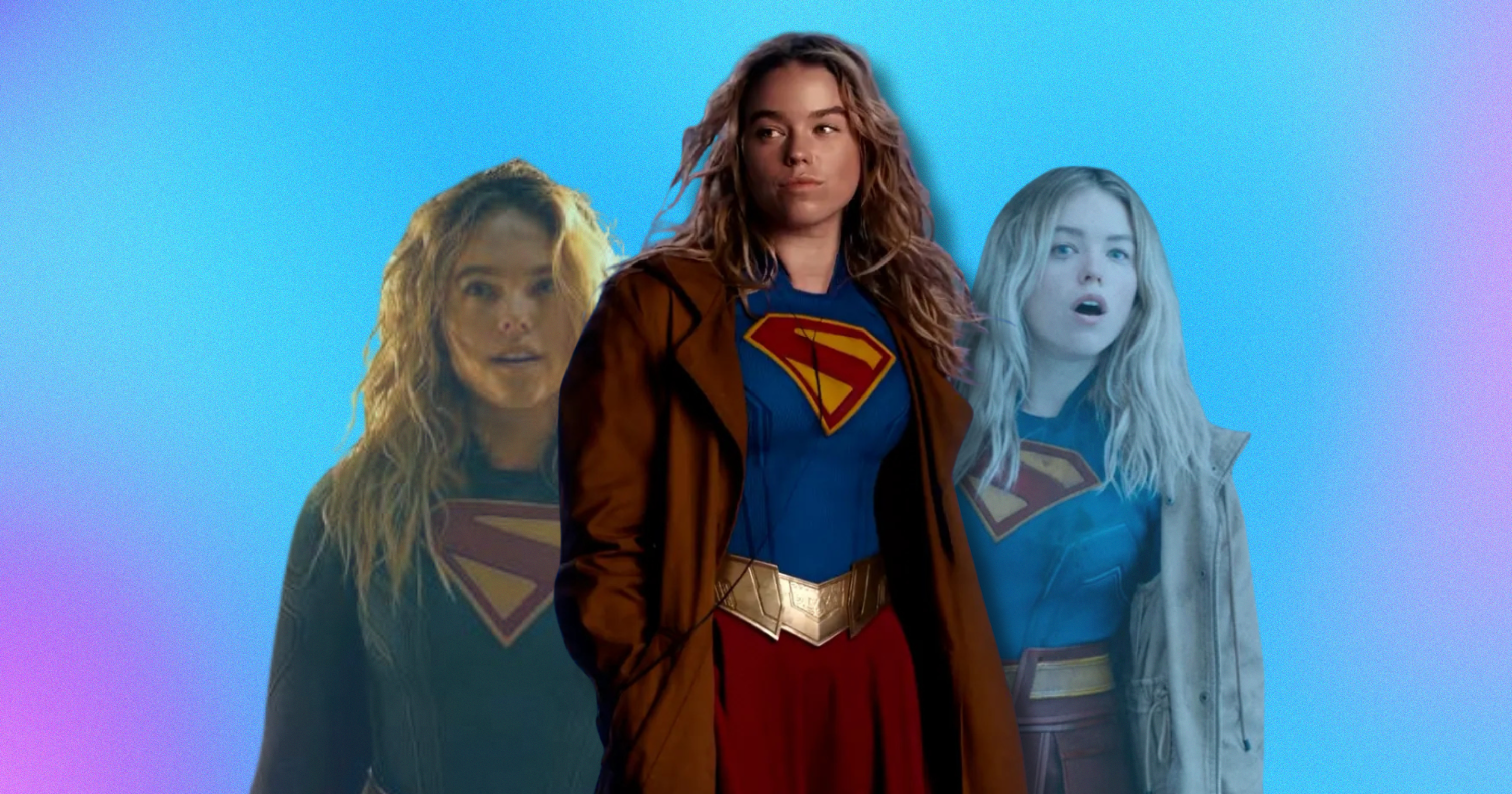
Kara Zor-El enters DC’s Supergirl stumbling drunk. Not figuratively – she is dishevelled, self-medicating with alcohol and isolation, and her only companion is a dog named Krypto who also happens to have superpowers. It is the edgiest female superhero introduction put on film, and Milly Alcock plays every second of it with a rawness that makes you immediately forget every caped heroine that came before her.
The film hits theaters Friday, and Alcock is exceptional. The movie, unfortunately, is considerably less so.
A Character Study That Refuses to Study Its Character
What makes Kara genuinely interesting – and what separates her so sharply from her overachieving cousin Clark – is the accumulated weight of what she’s carrying. She lost her family young. She was sent to a planet where another Kryptonian had already built a legend, leaving her in his shadow. When she isn’t fleeing to planets without yellow suns specifically so her powers disappear and she can drink without consequence, she still has the full strength of a superhero. The self-destruction is inseparable from the ability. That tension is rare in this genre and Alcock understands it completely.
Which makes the film’s structural choices so frustrating. Rather than leaning into Kara’s fractures, the screenplay hands its largest arc to Ruthye, played by Eve Ridley – a girl pursuing revenge after her family is murdered. Ruthye gets the character growth. Ruthye gets the journey. Kara gets the fights.
There are plenty of fights. Explosions, oversized CGI set pieces, the kind of action choreography that fills a trailer and exits memory within 20 minutes. None of it meaningfully excavates why Kara has been destroying herself or what it actually costs her to be who she is. The film circles her damage without ever pressing on it. Alcock is doing something genuinely difficult onscreen and the screenplay keeps interrupting her to go somewhere less interesting.
Jason Momoa Shows Up and Then Disappears
Jason Momoa appears as Lobo, and the film wastes him. That’s the full summary. A performer with that kind of physical charisma and comedic weight getting sidelined in a movie that’s already struggling to find its center isn’t a minor complaint – it’s a symptom of something wider going wrong in how the story allocates its time and attention.
The film seems to believe its ensemble is a strength. Instead, every scene not featuring Alcock reads as time borrowed against the more gripping film running parallel to this one. Momoa’s Lobo deserved a different script. So did Alcock’s Kara.
What Alcock Is Actually Doing Here
Kara Zor-El, as Alcock plays her, is not a hero who has earned her peace and chosen sacrifice anyway. She is someone actively fleeing herself, who happens to also be indestructible when the sun is right. Her empathy functions like a wound – she feels everything too hard and drinks to stop feeling it. That is a compelling psychological architecture for a superhero, and this genre has rarely gone near it with this kind of specificity.
Alcock’s performance is the kind that makes you recalibrate what you expect from blockbuster acting. She is physically sloppy in the early scenes in a way that reads as completely intentional – the stumbling isn’t played for laughs, it’s played for sadness. When the heroism eventually surfaces, it doesn’t feel like a transformation. It feels like exhaustion giving way to something she can’t help.
There’s a version of Supergirl built entirely around what Alcock is doing – one that treats Kara’s self-destruction with the same seriousness the actress brings to it, that trusts audiences to sit with a superhero who is genuinely not okay. That film would have been something. What exists instead is an actor carrying a production that keeps looking away from its best material, choosing spectacle when intimacy was available.
Supergirl is still worth seeing. That assessment rests almost entirely on Alcock’s shoulders, and she appears to know it – there is something in how she plays even the film’s most generic scenes that suggests she’s performing for the movie this could have been. Whether the DC universe gives her that version eventually, or continues staging explosions around her while the real story waits, is the question the franchise hasn’t answered yet.
Kara Zor-El’s first scene, drunk and alone with her superdog, is the most human any DC hero has ever looked. The film then spends two hours making sure she doesn’t have to stay that way. Alcock keeps pulling her back.