


A Conversation Worth Revisiting
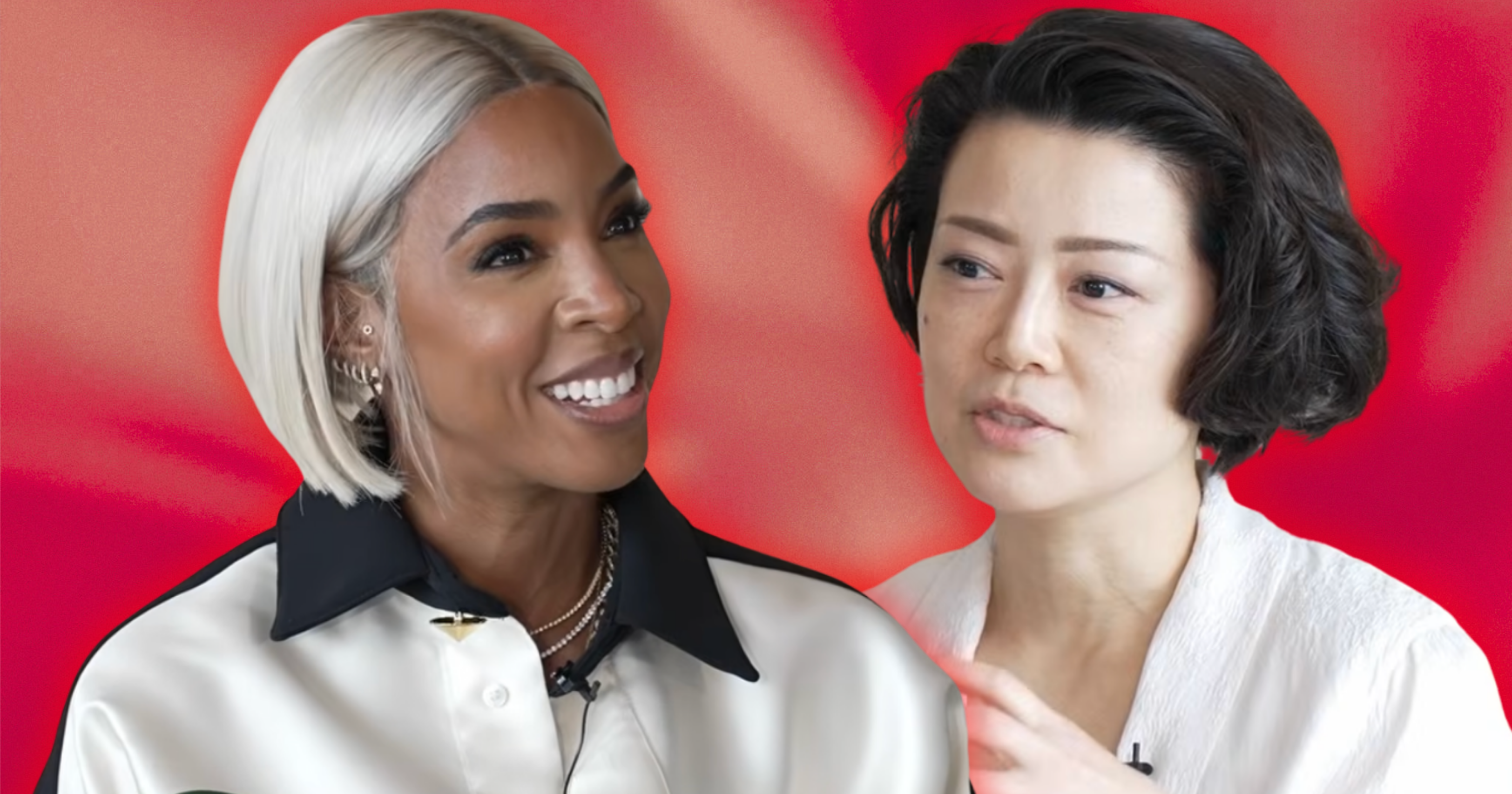
In the summer of 2024, Shiseido hosted its inaugural Benefiance retreat in New York City, and the conversations that came out of it deserve more than a single news cycle. Kelly Rowland and celebrity esthetician Joomee Song sat down with Brooke DeVard for a live recording of the Naked Beauty podcast – an hour that moved between skincare science, personal memory, and the kind of unfiltered honesty that rarely happens in brand-sponsored settings. The episode is being revisited this week, and it holds up.
What makes the conversation stick is that neither Rowland nor Song approached beauty as performance. For both of them, skincare is closer to something private – a practice shaped by grandmothers, kitchen counters, and years of paying attention to what the skin actually needs versus what the market insists it needs.
Kelly Rowland on Aging in Front of Everyone
Rowland has been in public view for more than two decades. That kind of sustained visibility does something particular to the way a person thinks about their face – not vanity exactly, but a heightened awareness that most people simply don’t have to carry. She spoke openly about what it means to age in that context, and how her nighttime skincare routine has become the clearest hour in her day when she is doing something entirely for herself.
She also traced her relationship with skincare back to watching her mother’s countertop. That image – a counter crowded with products, a woman building a ritual out of whatever she could access – is familiar to a lot of women, and Rowland named it as one of her earliest educations in self-care. When asked what she wished she’d known at 20, she answered directly, though the specifics of what she said matter less than the fact that she had an answer ready. Two decades of public scrutiny has a way of clarifying what you’d do differently.
Joomee Song and the Logic of the Minimalist Approach
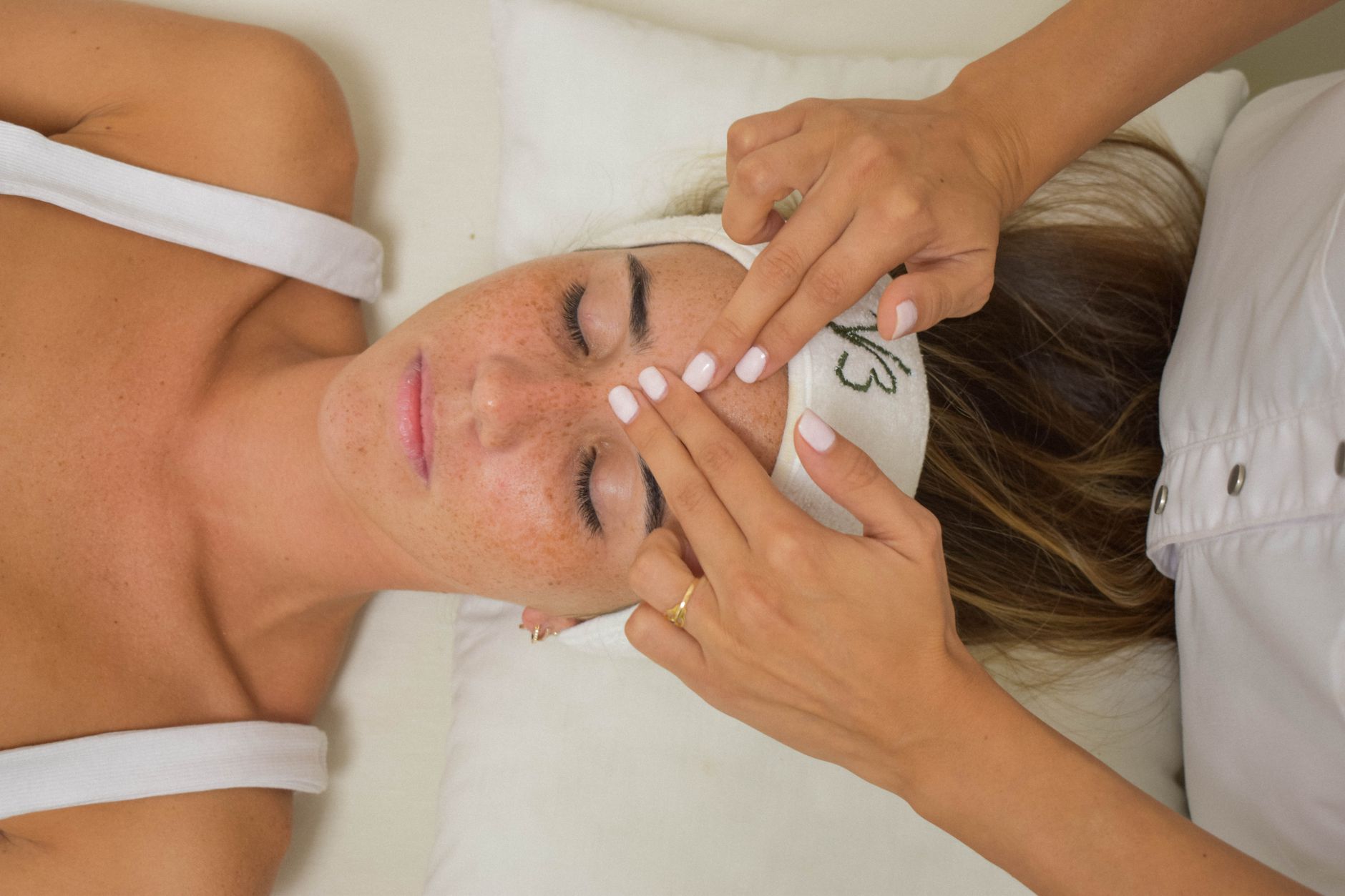
Joomee Song works as what she calls a “face architect,” and her specialty is healing facial massage – a practice she has built a reputation on in celebrity circles. Her framing of skin biology is notably non-alarmist. Where a lot of skincare marketing positions the skin as a problem to be corrected, Song describes it as a system trying to protect you. That reframe sounds small, but it changes what products you reach for and how you treat what you’re seeing in the mirror.
She grew up in Japan with a minimalist approach to beauty – fewer products, more consistency, and attention to technique over accumulation. That background shows up directly in how she talks about facial massage. Her grandmother’s nightly cold cream massage is the specific practice she pointed to, not as nostalgia but as evidence that the most effective routines often have the least in them.
Song also broke down what actually happens to the eye area during your 20s and 30s – a part of the conversation that got specific in a way that beauty content often avoids. The eye area changes earlier than most people expect, and Song’s point was that understanding why is more useful than simply buying the most expensive eye cream available.
The TikTok question came up too. Teens are finding retinol on the platform and using it without guidance, and both Rowland and Song addressed it without panic. Retinol is a legitimate ingredient, but the way it’s being absorbed into teen routines – driven by trend rather than skin need – is a different matter entirely. Song’s position as an esthetician gives her a particular view of what happens when people skip the foundational understanding and go straight to the active ingredient.
Gut Health, Vinegar Drinks, and the Audience Questions
The live format meant audience questions made it into the episode, and they pushed the conversation into unexpected corners. A Japanese vinegar drink for gut and skin health came up – a category of functional beverages that has been growing in popularity in wellness circles – and it opened a thread about the gut-skin connection that’s become increasingly central to how dermatologists and estheticians talk about chronic skin conditions.
Rowland’s dream day off also surfaced, which is a question that sounds lightweight until someone answers it honestly. What a person says they’d do with a completely unstructured day reveals more about their actual relationship with rest and routine than most direct questions about wellness would.

Why This Episode Still Matters
The Shiseido Benefiance retreat framing could have made this a glorified brand activation. It didn’t, largely because the conversation Rowland and Song had with DeVard was too specific and too personal to function as advertising. Rowland talking about her mother’s countertop, Song citing her grandmother’s cold cream – these are not talking points. They’re the actual reason people develop relationships with skincare in the first place.
The Naked Beauty podcast has built its audience on that kind of candor, and the decision to pull this episode back into rotation is a reasonable one. But what lingers is a single practical tension: Song’s entire philosophy is built around minimalism and understanding your skin before loading it with product, while the retreat itself was hosted by a brand that sells a multi-step line. Whether that contradiction came up on the day of recording – and what Rowland and Song said about it if it did – the episode doesn’t say.