




The Bathroom Cabinet Shift Nobody Officially Announced
Something changed in the skincare conversation over the last few years, and it didn’t arrive with a press release. Slowly, then all at once, the most-talked-about products in beauty circles stopped coming from French pharmacies or American dermatology labs. They came from Korea – and the philosophies behind them were different enough to make people rethink how they’d been treating their skin in the first place. Not stronger, not faster, but smarter. That distinction matters.
For anyone who spent years burning through their skin barrier with high-strength acids and potent retinoids – chasing fast results and getting chronic sensitivity in return – K-beauty offered a different operating principle: formulas that are effective without being punishing. The skin barrier isn’t an obstacle to work around. It’s the whole point.
K-beauty also used to require effort to access.
Amazon Changed the Import Math
Tracking down Korean skincare used to mean specialty retailers, international shipping fees, and the particular frustration of finding a product you loved only to watch it go out of stock for months. Amazon removed most of that friction. The full range of what’s available now – skincare, makeup, hair care – would have taken serious dedication to assemble just five years ago. The editors at Refinery29, who collectively test more product than most people see in a lifetime, have been shopping K-beauty on Amazon and narrowing down what’s actually worth the cart space.
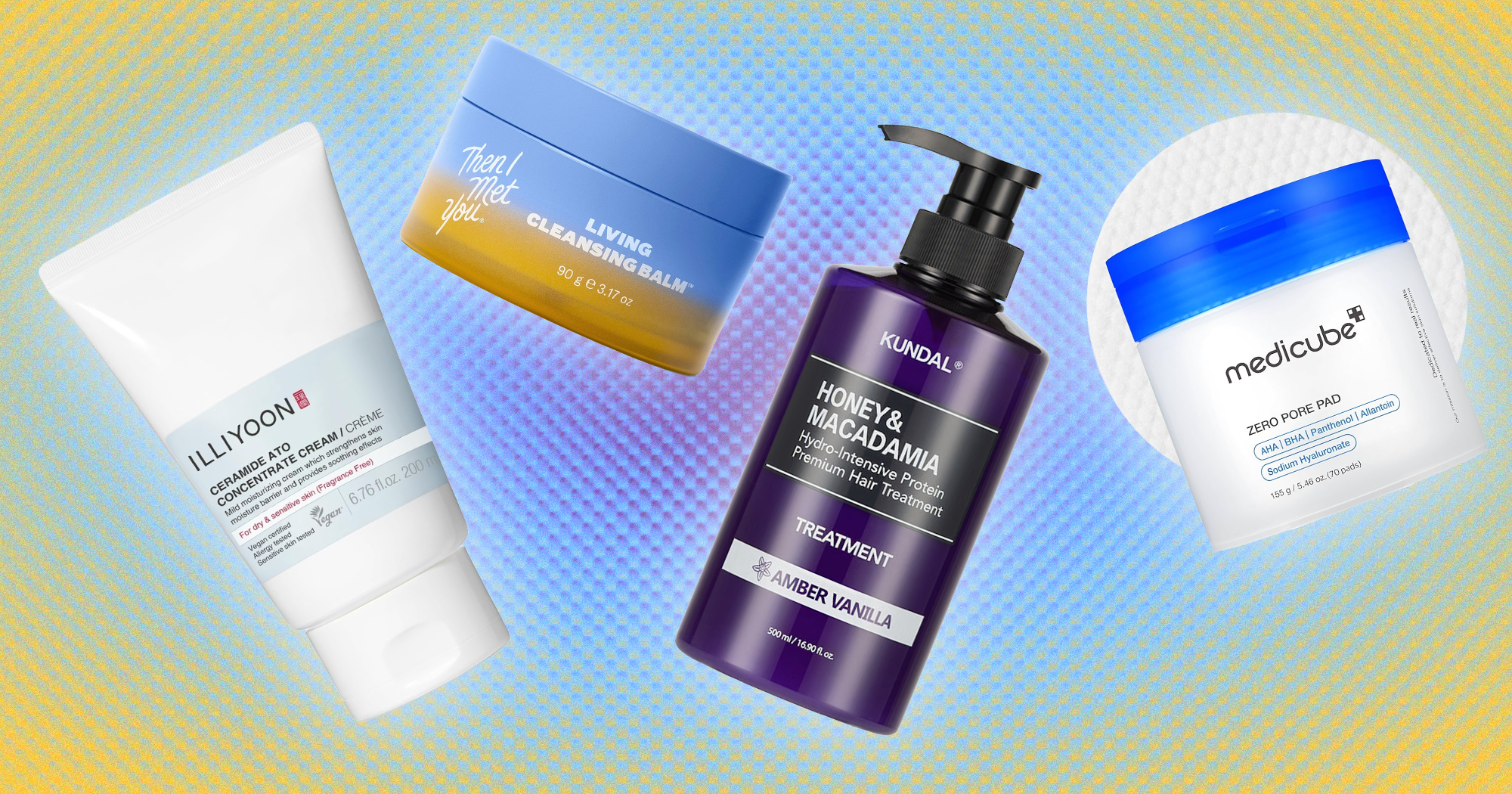
Two brands keep coming up in their recommendations, and the reasons why are specific enough to be useful. These aren’t vague endorsements. Jacqueline Kilikita, Refinery29’s beauty director, is nearly finished with her first tub of Medicube Zero Pore Pads and is already planning to restock. The pads use a combination of lactic acid and salicylic acid – lactic working at the skin’s surface to exfoliate and brighten, salicylic working deeper inside pores to prevent breakouts and reduce the appearance of hyperpigmentation. One side of each pad is textured slightly rougher than the other, adding a manual exfoliation element that most chemical-only pads skip. Kilikita reports clearer, brighter skin since adding them to her routine – and notes that her friends are now using them too, which is the kind of word-of-mouth that moves faster than any algorithm.
The Medicube Zero Pore Pads are available on Amazon. Whether the container counts as a tub or something else is, apparently, still an open question.
The Sunscreen Someone Flew Back From Seoul
The second product Refinery29 editors highlight has a more dramatic origin story. A friend traveled to Korea, brought back the Round Lab Birch Juice Moisturizing UV Lock SPF 45 as a gift, and the recipient loved it so completely that she cut the top off the tube to scoop out the final residue. That is not casual enthusiasm. That is the behavior of someone who has found something they’re not willing to waste a drop of, and it’s exactly the kind of detail that tells you more about a product than any ingredient list.
Round Lab’s birch juice sunscreen sits at SPF 45, which places it in practical daily-use territory – high enough to provide real protection without the heavy finish that makes some high-SPF formulas difficult to wear under makeup or on their own. The birch juice base is associated with lighter, more hydrating textures, which is consistent with why Korean sunscreens have developed the reputation they have: protection that doesn’t feel like a compromise. The product is now available on Amazon, meaning the friend-brings-it-back-from-Seoul pipeline has been largely replaced by a two-day shipping window.
What makes both of these recommendations credible isn’t the products themselves – it’s the specificity of the experiences behind them. Kilikita didn’t call the Medicube pads “life-changing.” She said she’s almost out and needs to restock. The Round Lab sunscreen review didn’t describe a radiant glow. It described scissors and determination. K-beauty sells on results, not promises, and the editors recommending these products are describing outcomes, not aspirations.
Why K-Beauty Keeps Winning the Repeat Purchase
The brands represented in Refinery29’s Amazon roundup – including Medicube, Round Lab, and belif, among others – aren’t newcomers chasing a trend. They’ve built followings through formulations that prioritize skin function over dramatic marketing claims. That philosophy tends to produce exactly the kind of customer behavior on display in Kilikita’s review: not excitement about a new discovery, but the quiet loyalty of someone who’s found something that works and doesn’t want to run out of it.

Amazon’s role here is worth noting plainly. K-beauty’s previous friction – the effort required to source products, the wait times, the uncertainty about authenticity – kept casual shoppers at a distance. Removing that friction didn’t just make existing fans’ lives easier. It brought K-beauty into the ordinary shopping habits of people who might never have sought it out specifically. The category expanded not because the products changed, but because the path to them got shorter.
Somewhere right now, there’s a tube of Round Lab birch juice sunscreen with its top cut off, sitting in someone’s bathroom as proof of concept.