


A New Bang Shape Is Gaining Ground
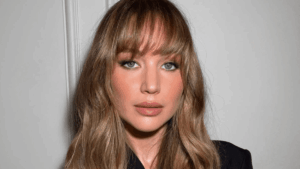
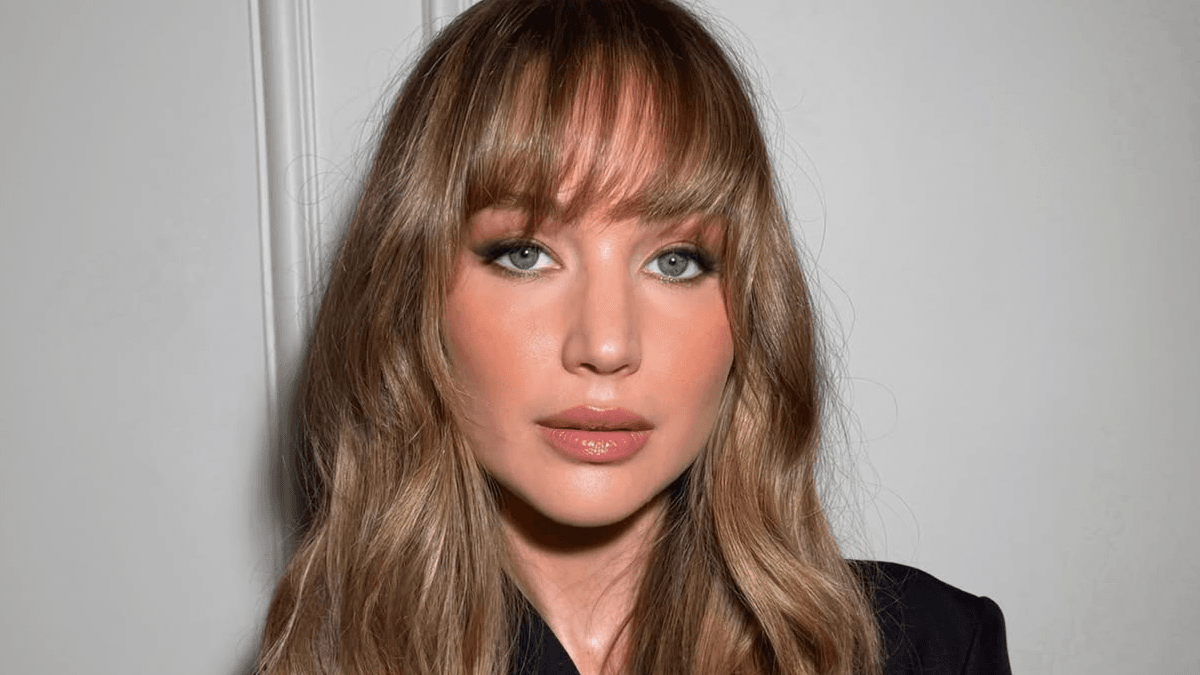
Jennifer Lawrence showed up recently wearing a fringe that didn’t fit neatly into any single category – not quite curtain bangs, not quite a classic French fringe, but something that borrows from both. The style has since been identified as butterfly bangs, and celebrity hairstylist Chris Appleton, who works with Lawrence, has broken down exactly how to recreate the look at home.
Butterfly bangs sit at an interesting intersection.
They carry the soft, face-framing split of curtain bangs but hold more length and volume at the center, creating a shape that fans outward like – yes – wings. The effect is lighter than a blunt fringe and more structured than the casual sweep most people default to when growing out their bangs. Appleton’s involvement matters here: he’s one of the most sought-after names in celebrity hair, with a client list that includes Kim Kardashian and Ariana Grande, and his ability to articulate technique for a home audience is what makes this particular style accessible rather than just aspirational.
What Appleton Actually Says to Do
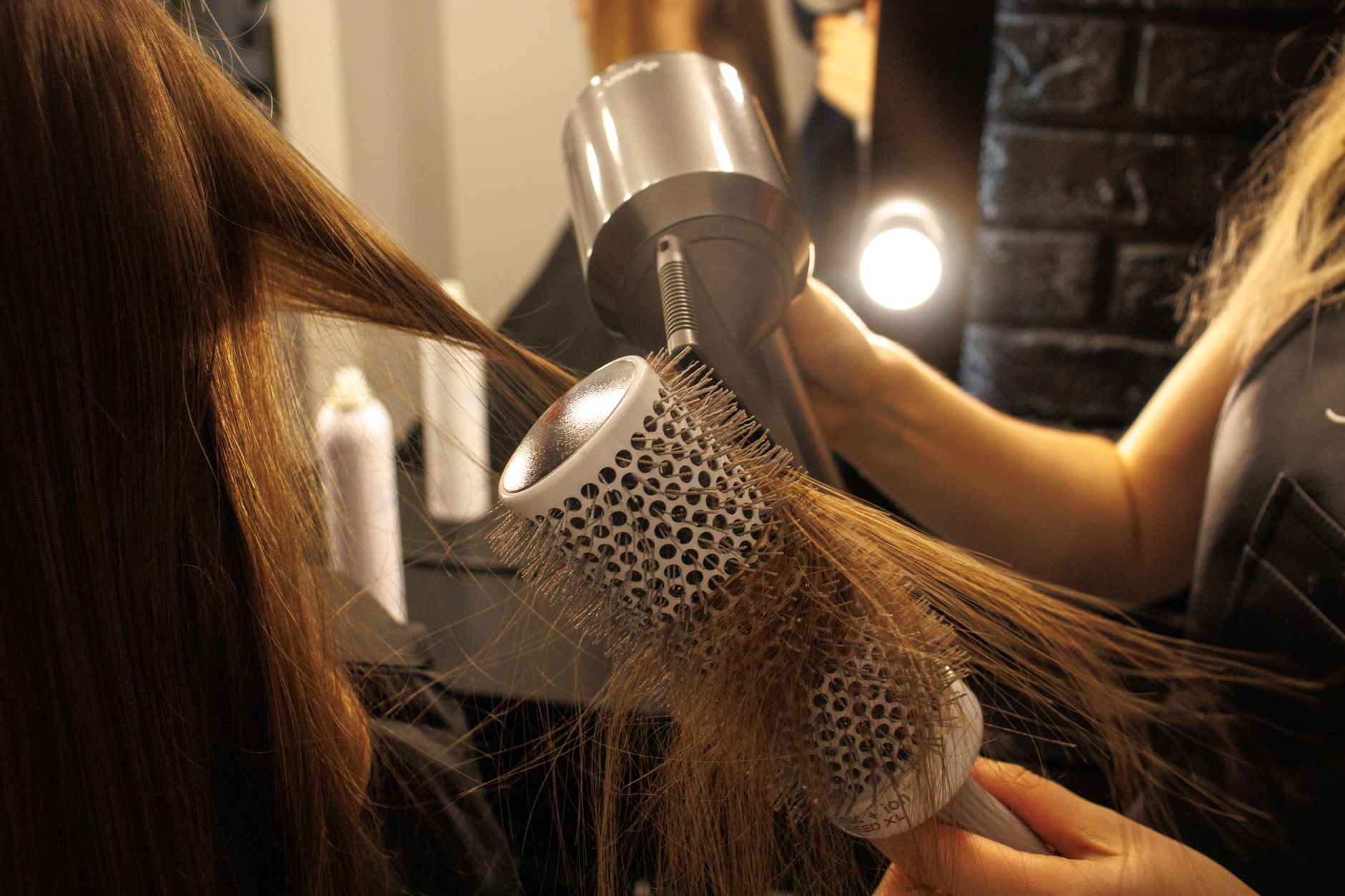
The method Appleton outlines centers on how you dry the bang – which sounds obvious but is where most people go wrong. The section needs to be divided down the middle first, then each half is wrapped around a round brush and dried outward, not downward. Pulling the brush straight down creates the flat, forehead-hugging fringe that reads old-fashioned on most face shapes. Directing the tension outward and slightly upward is what produces the lift at the center and the soft curve at the ends that defines the butterfly shape.
Heat is involved, but not excessively. Appleton points to a low-to-medium dryer setting as preferable, especially for finer hair that can lose its shape quickly under high heat. Once the hair is about 80 percent dry, that’s the window to set the style – waiting until it’s completely dry before using the brush means working against hair that’s already decided what it wants to do. The sequence matters more than the tools, which is useful information for anyone who has spent money on expensive styling equipment expecting it to compensate for technique.
Finishing the look requires some kind of light hold product – Appleton suggests something that adds texture without stiffness, so the wings stay separated rather than clumping. A small amount of pomade or a texturizing spray applied to the fingertips and then worked through the ends keeps the shape intact through the day without making the bang look done in a way that dates the style immediately.
Why This Shape Works Right Now
Curtain bangs have had an extended run, long enough that the style has moved through its trendy phase and into something more settled – which usually means it’s about to get refined rather than replaced. Butterfly bangs are exactly that refinement. They keep the softness that made curtain bangs appealing to people who were nervous about committing to a fringe, while adding a deliberate structure that reads more intentional. For fall specifically, when styling tends to shift toward something with slightly more weight and definition, the shape is well-timed.
Lawrence herself has cycled through several hair phases publicly – the short pixie she wore around 2013, various lengths in between, and now this. The butterfly bang sits well with her current length, which appears to be roughly collarbone to shoulder, because the fringe adds a focal point without competing with the rest of the hair for attention. Appleton has noted that the style works across multiple hair textures, though naturally straight or slightly wavy hair holds the wing shape most reliably without additional products to fight frizz or curl pattern.
The French fringe influence – that element of a little more coverage across the forehead than curtain bangs typically provide – gives butterfly bangs a slightly more classic quality that makes them easier to wear in professional settings where curtain bangs can sometimes read too casual. It’s a small distinction but one that expands the range of occasions where the style holds up. That dual versatility, relaxed enough for everyday wear and polished enough for more formal contexts, is probably why the look is spreading beyond Lawrence’s immediate orbit.
The Part Nobody Talks About
Getting butterfly bangs cut correctly is a prerequisite that sometimes gets skipped in tutorials focused on styling. The cut itself requires the stylist to leave more length at the center of the bang and take progressively more length off as they move toward the outer corners – the opposite of how a traditional fringe is cut, where the center is often shortest. If that foundation isn’t there, no amount of round-brush technique will produce the right shape, because you’re essentially trying to style a bang into a silhouette it wasn’t cut to hold.
Appleton’s guidance assumes you’re already working with the right cut, which means the home-styling advice is genuinely useful only after that first step is handled. For anyone currently sitting on curtain bangs that have grown out slightly and are in an awkward in-between stage, butterfly bangs might actually be the easier path forward – the added length at the center is already there, and a trim that removes some weight from the outer sections can get you to the right starting point without a dramatic change.
What happens when the bang grows out from here is the real question. Curtain bangs transitioned into face-framing layers almost invisibly, which extended their lifespan considerably. Butterfly bangs, given their structure, seem likely to follow a similar path – but the center-heavy shape might make the awkward growth phase slightly more pronounced before it resolves into something wearable.