




Jerry Seinfeld walks into a comedy club and bombs. Not because his jokes aren’t funny, but because the audience of 20 people spent the evening scrolling TikTok instead of listening. This scenario plays out nightly across America as traditional stand-up venues struggle against an algorithm that delivers personalized laughs in 15-second bursts.
The Improv, Laugh Factory, and Comedy Cellar – legendary launching pads for comedians like Robin Williams, Dave Chappelle, and Amy Schumer – now compete against phones that serve up infinite comedy content tailored to individual tastes. TikTok’s algorithm learns what makes each user laugh, delivering hits of dopamine faster than any comedian can build to a punchline.
Comedy club owners report declining attendance, particularly among audiences under 30. The traditional comedy experience – paying cover charges, buying overpriced drinks, sitting through opening acts to see headliners – feels antiquated to generations raised on instant gratification. Why endure a potentially unfunny comedian when TikTok guarantees laughs within seconds?
The Death of the Build-Up
Stand-up comedy traditionally relies on setup, timing, and payoff. Comedians craft narratives, build tension, and deliver punchlines after minutes of careful construction. Chris Rock’s best bits unfold over 10-15 minutes. Dave Chappelle’s stories require patience and attention.
TikTok’s algorithm rewards the opposite: immediate gratification. Comedic content must hook viewers within three seconds or risk being scrolled past forever. This creates a comedy ecosystem optimized for quick hits rather than sophisticated storytelling.
The platform’s recommendation system learns from micro-interactions – likes, shares, comments, and most importantly, watch time. A 15-second video that gets watched completely performs better than a 60-second video watched halfway through. Comedians adapting to TikTok abandon long-form storytelling for rapid-fire jokes and visual gags.
Sarah Cooper, who gained fame during the pandemic with her Trump lip-sync videos, exemplifies this shift. Her TikTok content requires no setup – each video delivers immediate visual comedy. Traditional comedians struggling to adapt find their careful timing and verbal precision less valuable than visual humor and trending audio clips.
The algorithmic preference for engagement over artistry fundamentally changes what gets rewarded. A perfectly timed callback to a joke from earlier in a set becomes impossible when audiences have 15-second attention spans. The communal experience of building laughter through a room disappears when everyone consumes comedy individually on their phones.
Empty Rooms and Desperate Measures
Comedy clubs across major cities report 30-40% declines in weeknight attendance since TikTok’s explosive growth. The Laugh Track in Los Angeles, which once hosted three shows nightly, now struggles to fill one. Chicago’s Zanies reduced their weekly schedule from seven nights to four.
Club owners implement desperate strategies to compete with algorithmic entertainment. Some venues ban phones during performances, creating “digital detox” comedy experiences. Others embrace the platform, installing professional lighting and encouraging audiences to create TikTok content during shows.
The Comedy Store in West Hollywood launched “TikTok Tuesdays,” where comedians perform sets specifically designed for social media capture. Comedians deliver rapid-fire jokes under ring lights while audiences film clips for their own accounts. The traditional performer-audience relationship dissolves into content creation collaboration.
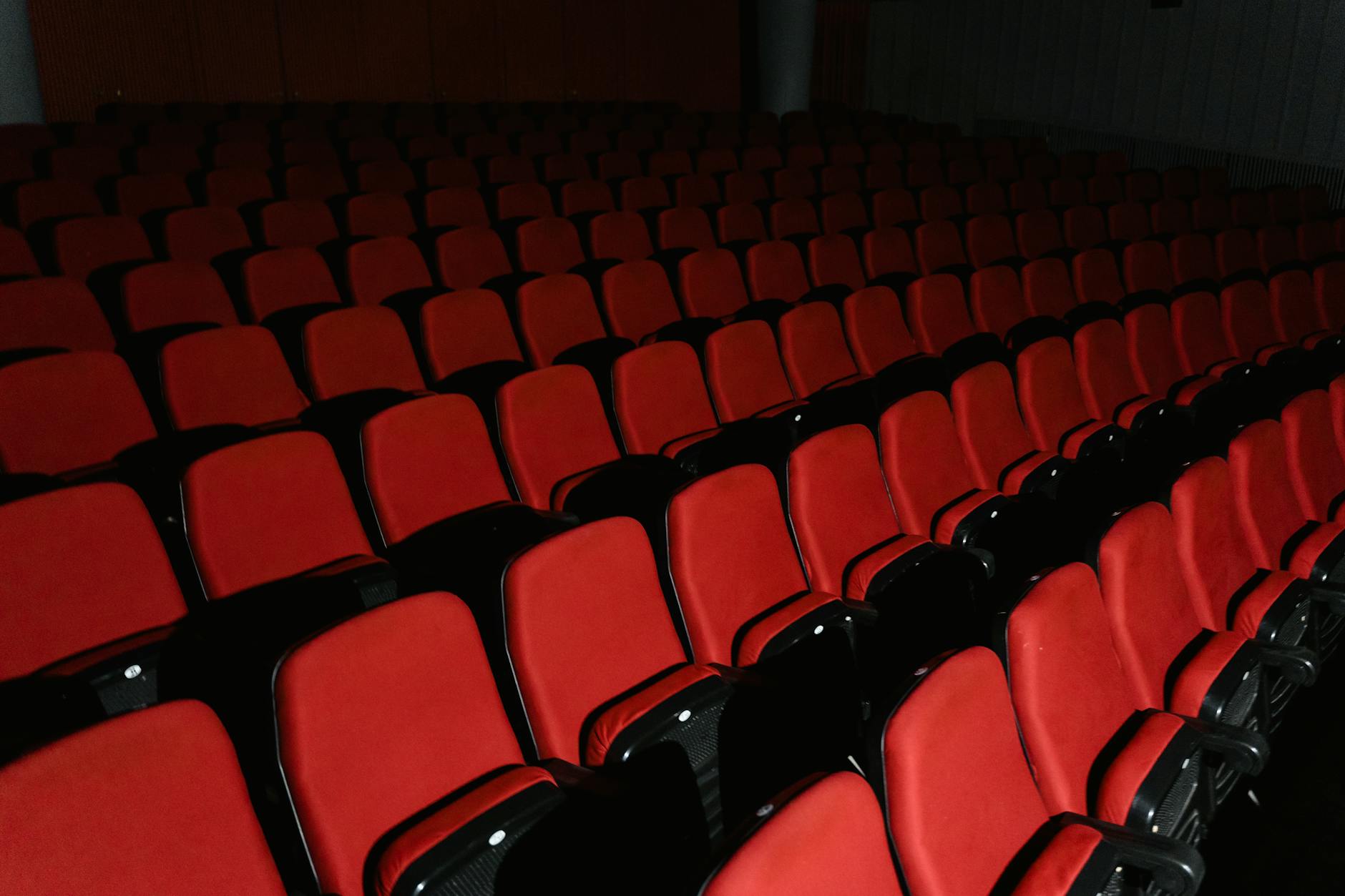
Smaller venues suffer most dramatically. Local comedy nights at bars and coffee shops – the grassroots ecosystem where comedians develop their voices – can’t compete with personalized entertainment. Open mic nights that once drew 50-75 audience members now attract fewer than 20, making it harder for new comedians to test material and build confidence.
The economic model buckles under reduced attendance. Comedy clubs depend on drink sales during shows, but audiences scrolling phones order less alcohol. Cover charges increase to compensate for smaller crowds, creating a vicious cycle that drives away price-sensitive customers who can access free comedy on their phones.
Established comedians with Netflix specials and touring revenue adapt by building TikTok presences to promote live shows. But mid-tier comedians – those who make living wages from regular club work – find their income streams evaporating as venues book fewer acts and pay lower rates.
The Algorithm’s Unintended Consequences
TikTok’s comedy algorithm creates a feedback loop that homogenizes humor. Content that performs well gets replicated endlessly, leading to trending formats that dominate the platform for weeks before being replaced by new templates. The “POV” format, dance comedy, and reaction videos rise and fall in predictable cycles.
This algorithmic selection pressure eliminates comedic diversity. Regional humor, cultural specificity, and niche comedy styles perform poorly compared to broadly appealing content. A comedian’s unique voice – the quality that traditionally distinguished great performers – becomes a liability when the algorithm rewards universal relatability.
The platform’s global reach also flattens comedy across cultural boundaries. American comedians compete directly with creators from dozens of countries, all optimizing for the same algorithmic preferences. Local comedy scenes that once reflected their communities’ specific experiences struggle against content designed for maximum international appeal.
TikTok’s emphasis on youth-oriented content marginalizes older comedians and comedy styles. The platform’s user base skews heavily toward Gen Z, and the algorithm reflects these preferences. Sophisticated wordplay, political satire, and observational humor about adult experiences perform poorly compared to college-age relationship jokes and workplace humor.
The speed of consumption on TikTok also eliminates comedy’s traditional learning curve. Stand-up comedy historically required audiences to develop appreciation for timing, callbacks, and subtle humor through repeated exposure to live performances. TikTok users expect immediate understanding and gratification, making complex comedy styles commercially unviable.
The Future of Live Comedy
Traditional comedy clubs face an existential choice: adapt to algorithmic entertainment or risk obsolescence. Some venues transform into hybrid spaces, combining live performances with content creation studios. The Comedy Works in Denver installed permanent streaming equipment, allowing comedians to simultaneously perform for live audiences and broadcast to TikTok.
Other clubs double down on the irreplaceable aspects of live comedy – spontaneity, audience interaction, and communal laughter. These venues position themselves as premium experiences for comedy purists willing to pay higher prices for authentic human connection. The emphasis shifts from accessibility to exclusivity.
The most successful adaptation strategies combine both approaches. Clubs book comedians with strong TikTok followings for weekend headliner slots while maintaining traditional stand-up for weeknight shows. This hybrid model serves algorithm-native audiences on busy nights while preserving space for long-form comedy.
Emerging comedians increasingly build TikTok audiences before attempting live performance, reversing the traditional development path. Instead of honing their craft in small clubs before gaining social media followings, new performers optimize for viral content first and adapt to live performance second. This shift fundamentally changes how comedic talent develops and what skills succeed.
The survivors will likely be venues that embrace TikTok as a marketing tool rather than viewing it as competition. Just as Spotify’s AI DJ feature is changing radio by personalizing music discovery, successful comedy clubs will use algorithmic insights to book performers and curate shows that match their local audience preferences.
The comedy industry stands at a crossroads between preserving artistic traditions and embracing technological change. The clubs that survive will likely be those that find ways to use TikTok’s reach to drive audiences toward deeper, more meaningful comedic experiences – turning algorithm-driven discovery into genuine human connection.
Frequently Asked Questions
How has TikTok affected comedy club attendance?
Comedy clubs report 30-40% declines in weeknight attendance as audiences prefer personalized TikTok content over live performances.
Are comedy clubs adapting to compete with TikTok?
Some clubs ban phones for authentic experiences while others embrace TikTok by installing professional equipment and hosting social media-focused shows.