




The Chelsea boot has been around long enough to outlast dozens of trends, and yet fall keeps bringing it back to the front of the closet. Not because it’s new – because it works, and because the ways to wear it keep shifting.

A Boot With No Natural Enemies
There are very few shoes that sit comfortably across this many dress codes. The Chelsea boot – low heel, elastic side panels, pull tab at the back – moves from a Saturday morning errand run to a dinner reservation without asking much of you in return. That’s not an accident of fashion. It’s a design that was built for practicality first, somewhere in Victorian England, and the silhouette has barely changed since.
What has changed is everything around it. Hemlines, proportions, fabric weights, denim cuts – the clothes that surround the Chelsea boot have gone through full cycles of reinvention while the boot itself stayed put. That stability is exactly what makes it useful. You’re not buying into a moment. You’re buying into a shape that’s already proven it can survive multiple moments.
Fall is the season where ankle boots in general get their biggest share of attention, but the Chelsea specifically benefits from the transitional nature of the months. It handles the in-between temperatures well – substantial enough to feel seasonal, not so bulky that layering becomes awkward. A leather pair in a dark brown or black grounds almost any outfit without dominating it.
The mistake most people make is treating the Chelsea like a neutral that disappears into the outfit. It doesn’t need to disappear. Worn with the right proportion – cropped trousers, a midi skirt with a slight hem gap, or even a relaxed straight-leg jean that breaks just above the ankle – the boot becomes a deliberate choice rather than a default one.
The Combinations That Actually Hold Up
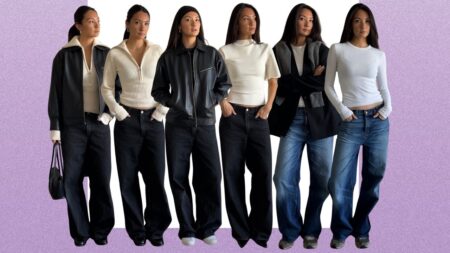
Straight-leg and wide-leg denim are the most forgiving starting points. A wide-leg trouser in a heavier fall fabric – wool, corduroy, or a cotton-poly blend – creates a clean vertical line when paired with a Chelsea heel, especially if there’s a small gap of ankle visible between the hem and the boot shaft. That sliver of skin or bare ankle does a lot of visual work. It keeps the bottom of the outfit from looking heavy, even when the trouser itself has significant volume.
Midi skirts are the other combination worth committing to. The length matters more than most people account for: a midi that hits at or just below the knee will show off the full shaft of the boot and create a proportion that feels intentional. Go too long – approaching the ankle – and the boot gets buried. Go too short and you lose the contrast that makes the pairing read as styled rather than accidental. That mid-calf sweet spot is doing most of the work.
Suede Chelsea boots in earthy tones – camel, rust, deep olive – function differently than leather ones. They’re softer in visual weight and tend to work better with looser, more relaxed silhouettes. An oversized knit sweater dress worn over opaque tights, finished with a camel suede Chelsea, is the kind of outfit that looks thought-out without actually requiring much thought. The textures do the styling for you. Suede also picks up on the matte, organic quality of fall fabrics in a way that polished leather doesn’t always match.

For anyone skeptical about wearing Chelsea boots with tailoring – suits, blazer sets, structured trousers – the combination is more straightforward than it looks. A slim-cut suit in charcoal or deep navy, finished with a black leather Chelsea, sidesteps the formality of a pointed-toe pump while keeping the overall look sharp. The key is fit: the trouser should be tapered enough that the boot’s elastic panel is visible, not hidden under excess fabric. Ankle length on the trouser is ideal.
Chelsea boots also pull off something that most ankle boots struggle with – they work with heavier socks. A ribbed wool sock folded over the shaft, or a patterned crew sock that peeks above the boot line, adds texture and a slightly off-duty quality that keeps fall outfits from looking too polished. This is particularly effective with loose, straight-leg denim or a more casual skirt silhouette. The sock becomes an accessory rather than an afterthought, and it extends the seasonal range of the boot into colder temperatures without switching to a knee-high.
What to Actually Look for When Buying
Not all Chelsea boots are made the same, and the differences are visible after a single season of wear. The elastic side panels should have enough tension to hold the boot snugly against the ankle without cutting in – if they’re too loose at the point of purchase, they’ll only stretch further. Shaft height affects how versatile the boot ends up being: a shorter shaft sits lower on the ankle and works better with skirts and dresses, while a taller shaft reads as more structured and pairs more naturally with trousers.
Heel height is the other variable that gets underestimated. A flat or very low block heel keeps the boot casual and easier to walk in over longer distances – useful if the boot is going to carry any real workload throughout the week. A slightly higher block heel or a small stacked heel changes the posture of the outfit, elongating the leg more noticeably with cropped or ankle-length trousers. Neither is wrong. But knowing which direction you’re buying toward saves the frustration of a boot that looks right in the store and sits in the closet come November.
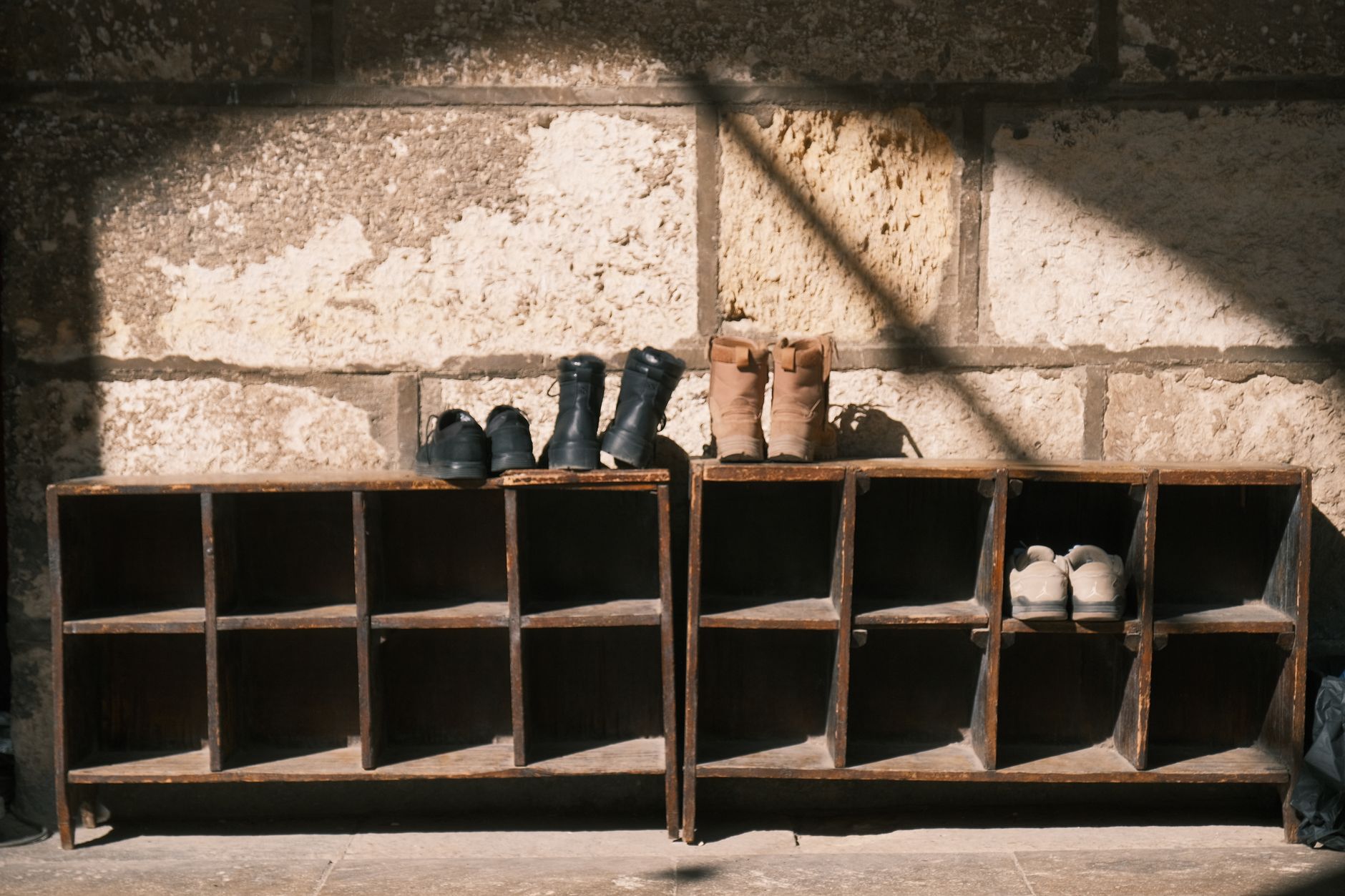
If there’s one internal purchase worth pairing alongside a new pair of Chelsea boots this fall, it’s a quality shoe tree. The elastic panel construction means the boot relies on retaining its shape between wears. A cedar shoe tree pulls moisture, holds the toe box, and keeps the leather from developing creases that set permanently. It’s a $20 to $40 decision that extends the life of a boot that, bought well, could last a decade. How many other things in your closet can actually make that case?