




Four of Hollywood’s funniest women walk into a luxury wellness retreat, and everything falls apart – which turns out to be exactly the point.
A Slapstick Comedy With Something Sharper Underneath
Spa Weekend arrives with an easy pitch: raunchy ensemble comedy, outrageous set pieces, four women at a high-end retreat where catastrophe piles on catastrophe. The writers behind it also directed and wrote The Hangover, and the comparisons between the two films have been immediate and obvious. But leaning too hard on that comparison misses what the film is actually doing, which is something closer to a sociological breakdown of long-term female friendship – the kind that survives decades of bad decisions, borrowed moving vans, and airport pickups at 11 p.m.
The comedy is genuinely slapstick, with off-the-wall gags and a tone that earns the cast’s own description of it as “mom porn.” But underneath the outrageous humor is a question the film keeps returning to: can you keep loving someone whose flaws actively wreck your good time? Not in a hypothetical, philosophical sense – in the immediate, visceral sense of watching your spa weekend spiral because of one person’s behavior.
That question lands harder because the film doesn’t treat it as a light comic device. The four characters are carrying real emotional weight – suppressed ambitions, failed relationships, unprocessed grief about their own lives – and the chaos of the retreat becomes the thing that finally cracks it open. It’s a film where the wellness setting is part of the joke, but also part of the mechanism.
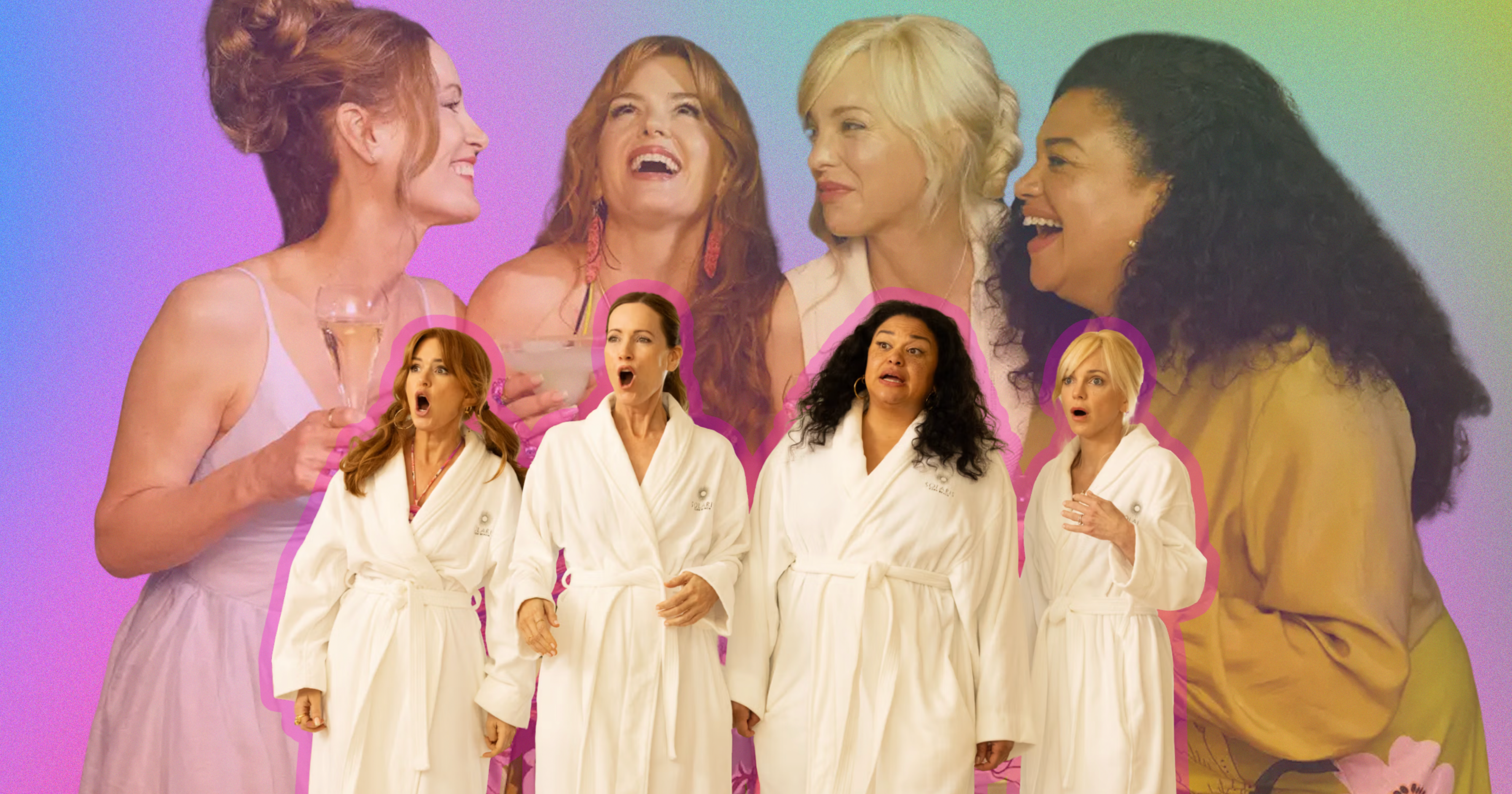
Anna Faris plays Sophie, a PA working for a billionaire who is, by the film’s own description, a douchebag. Leslie Mann is Jane, a lawyer who has built a life around professional ambition and left no room in it for romance. Michelle Buteau plays Coco, a mother of two who is openly, loudly not okay with the fact that her ex-husband has moved on with an older woman. And Isla Fisher is Mel, the group’s chaotic wild card – unfiltered, aggressively honest, and fully aware that the other three find her exhausting.
The “One Friend Nobody Likes” Trope, Taken Seriously
The “one friend in the group no one likes” is a trope that usually exists as comic relief and nothing more. The annoying one causes chaos, the others react, credits roll. Spa Weekend is doing something more uncomfortable with it. Mel isn’t softened or reformed by the third act in the way the formula usually demands. Her bluntness – described in the film as a kind of aggressive, life-affirming honesty – is what starts dismantling the emotional armor the other three women have spent years carefully constructing.
Fisher’s casting in that role is deliberate. She has a particular skill for playing characters who function at a frequency that irritates everyone around them while somehow being the most perceptive person in the room. Mel’s chaos isn’t random; it’s diagnostic. What looks like social recklessness keeps exposing things the other three would rather leave buried.

Mann’s Jane is, in some ways, the film’s sharpest character study. A woman who has made her career the organizing principle of her entire existence – with zero room left for romance, by the film’s own description – is a specific kind of modern archetype that usually gets either celebrated or pathologized on screen. The film’s approach to her appears to be more ambivalent than that, letting the retreat’s forced idleness do its work on someone who has no idea how to stop moving.
Buteau’s Coco operates on a different register entirely. The ex-husband subplot – his new relationship with an older woman being the specific source of Coco’s fury – gives her character a grounded, recognizable kind of pain that doesn’t disappear just because the setting is absurd. Buteau has built her comedy career on a certain brand of unsparing emotional directness, and it fits the character without needing to be dialed up.
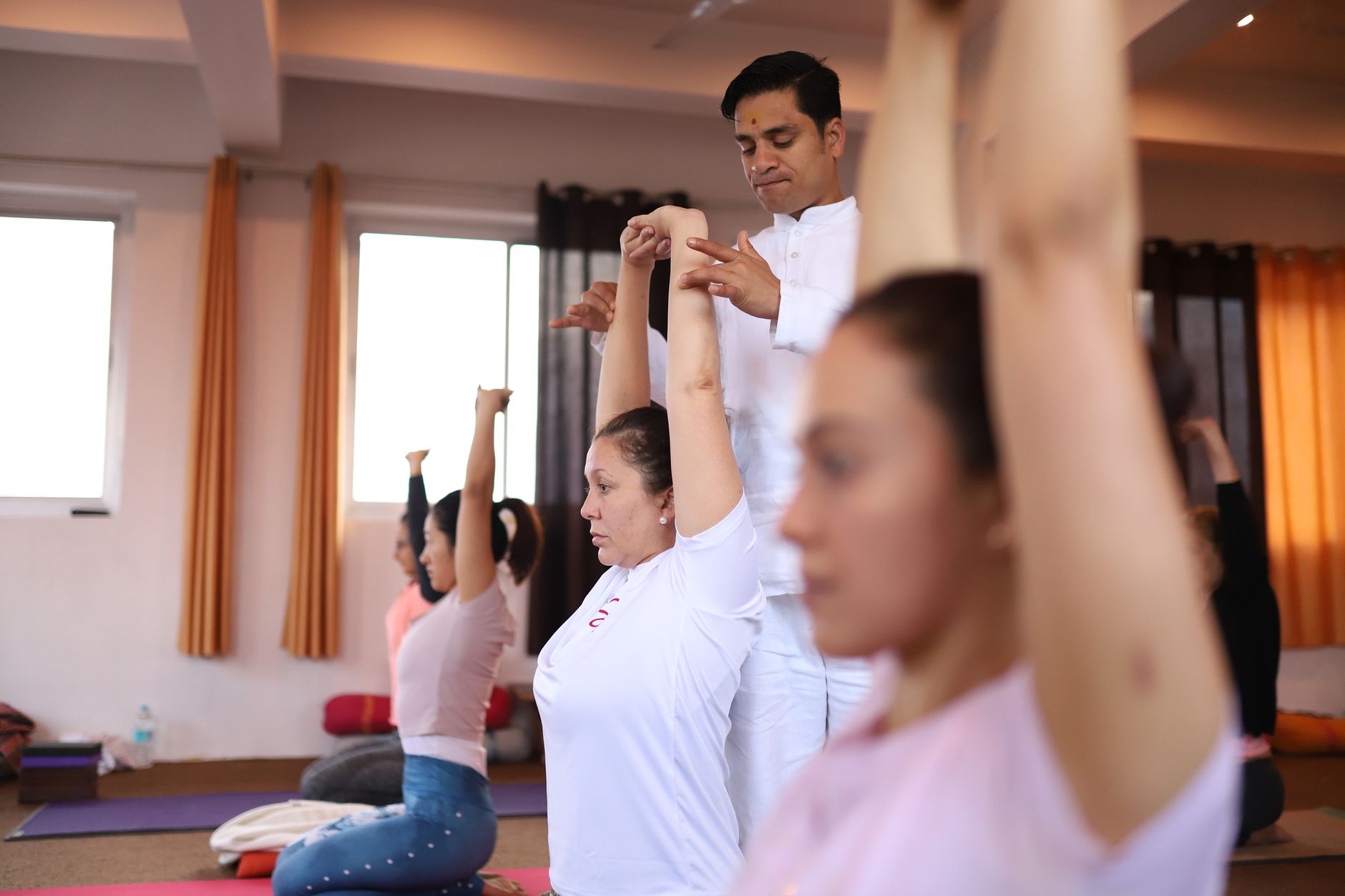
And then there is Adam Demos as Kai, the yoga instructor at the retreat, described as extremely hot and uber sensitive. His presence in the film functions as both an obvious comedic device and, presumably, a catalyst – the kind of character whose uncomplicated warmth throws the more guarded women in the group into sharper relief. Whether the film uses him well or just uses him is a question the finished cut will answer.
What the Setting Is Actually For
Luxury wellness retreats have become a particular kind of cultural shorthand – spaces that promise transformation while functioning as elaborate theater for people who can afford them. Dropping four women with unresolved emotional problems into one is not a subtle choice, but Spa Weekend seems aware of that. The retreat isn’t just a backdrop for gags; it’s a specific kind of pressure cooker. There is nowhere to go, nothing to do, no work to hide behind, and someone in your group who will not stop talking about the thing you are trying not to think about.
The film is being positioned as a slapstick comedy in the tradition of The Hangover, but the ensemble it has assembled – Faris, Mann, Buteau, Fisher – represents four distinct comedic voices that don’t naturally collapse into a single tone. Whether an ensemble comedy can hold those voices together without flattening any of them is the real test – and “mom porn,” while a funny marketing line, doesn’t quite account for what happens when Mel opens her mouth and everything gets honest.
The cast described the film in their own terms. Faris, Mann, Buteau, and Fisher all signed on to something that promised outrageous humor – and delivered a script where the funniest moments are probably the ones that cut closest to something real. A PA working for a douchebag billionaire, a lawyer who forgot to have a personal life, a divorced mother still tallying old wounds, and the friend who won’t let anyone pretend otherwise, all stuck at a spa. What breaks first – the itinerary or the friendships holding it together?