




Walking Away From a Billion Views
Amelia Dimoldenberg built Chicken Shop Date from a column in her local youth club magazine into a YouTube series with 3.4 million subscribers and over 1 billion views. Along the way, she collected 2.1 million Instagram followers, landed a spot on Time Magazine’s TIME100 Creators list in 2025, and became a fixture on the Academy Awards red carpet for three consecutive years. On September 3rd, she posted to Instagram and announced it was over.
The 32-year-old’s message was direct: “I never thought I’d stop Chicken Shop Date, I thought maybe it would be a part of me forever, and in some way it always will, but I feel like it’s now time to move on from this adventure and onto a new one.” She described the show as her “very own romcom” and confirmed a slate of final episodes before the channel goes dark for good.
What Chicken Shop Date Actually Was
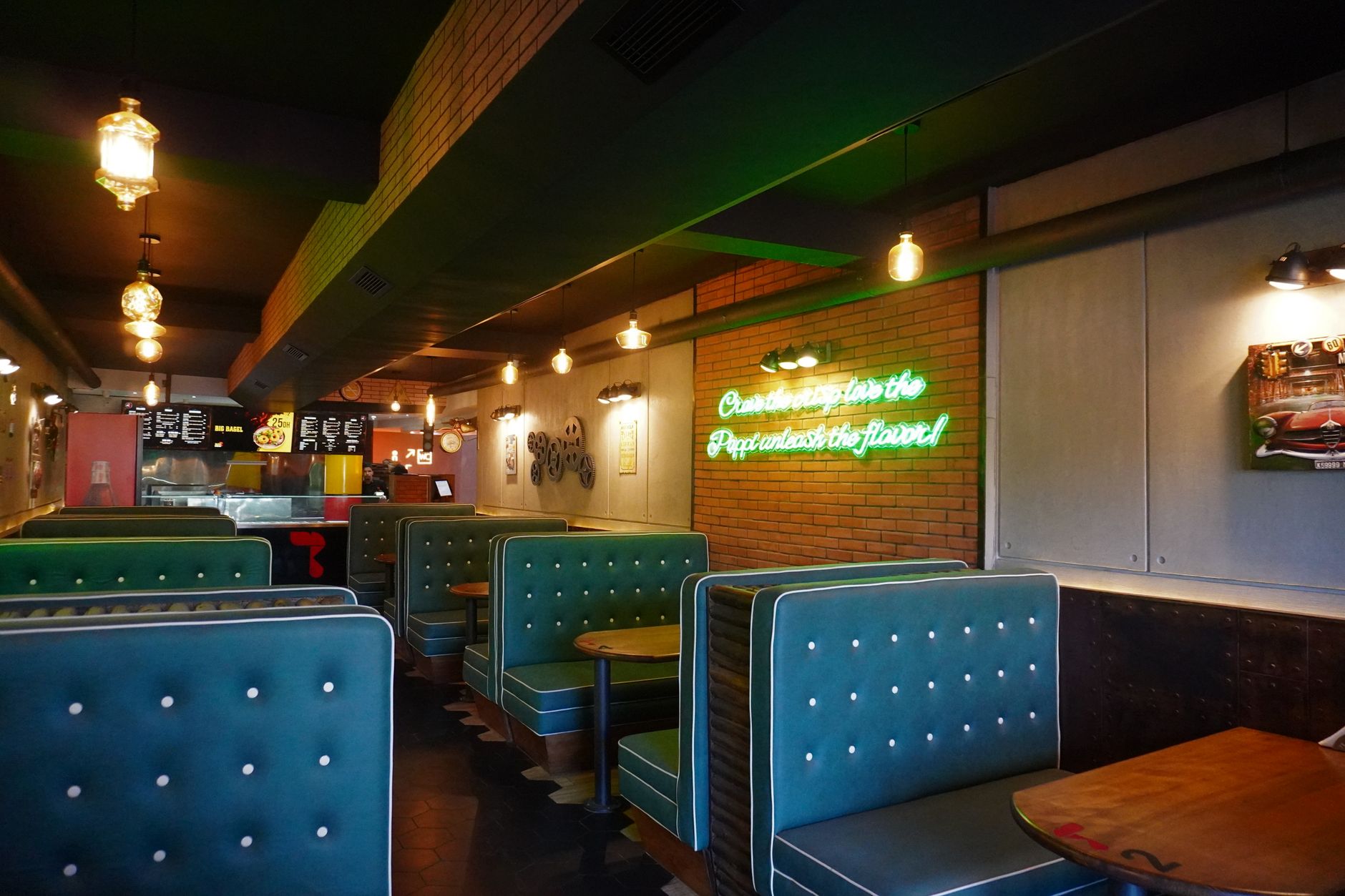
The format was simple on paper – Dimoldenberg sitting across from a celebrity in a fast-food chicken shop, delivering deadpan flirtation with the energy of someone who had rehearsed indifference into an art form. The awkwardness was the product. Where most celebrity interviews work hard to make their subjects comfortable, Chicken Shop Date deliberately didn’t, and the tension produced something that felt genuinely unscripted in an era when almost nothing does.
Over 12 years, the series climbed to the top of celebrity publicists’ press circuit wish lists. That’s a meaningful benchmark – publicists don’t place their clients somewhere out of goodwill, they place them where the cultural return is real. Getting a major name onto Chicken Shop Date stopped being a quirky alternative press stop and became a standard part of a promotional rollout. The show created its own gravity.
Dimoldenberg did this without a network, a production company behind her from the start, or a pre-existing platform to launch from. The show’s growth was slow by internet standards – 12 years is several lifetimes in the attention economy – but that longevity is exactly what gave it weight. A billion views doesn’t happen in a year and then disappear. It accumulates, which means audiences kept returning and new ones kept arriving, consistently, across more than a decade.

Why Stopping Now Is the Interesting Part
Quitting while a project still has audience momentum is far rarer than it sounds. Most creators – and most entertainment properties in general – run until the audience leaves, not until the creator decides to. The incentive structure pulls strongly toward continuation: ad revenue, brand deals, platform algorithmic favor, and the psychological weight of an identity built around a single format. Dimoldenberg is walking away from all of that while the numbers still look good.
There’s no announced scandal, no publicized creative burnout, no platform dispute that’s been made public. The exit appears to be exactly what she said it is – a deliberate choice to close something before it closes itself. That’s a harder call to make than it looks from the outside, particularly when the thing you’re ending has been running since you were 20 years old and has, by any reasonable measure, defined your public identity for your entire adult life.
The Millennial Pressure to Make Dreams Permanent
Dimoldenberg’s generation was raised on a specific promise: work hard enough, and the dream you build will sustain you indefinitely. Elder millennials graduated into the 2008 Global Financial Crisis. Zillennials – the micro-generation bridging millennials and Gen Z – graduated into a pandemic. Both groups were handed a version of the same message anyway: find what you love, and hold onto it. The result is a cultural tendency to treat any creative or professional identity, once achieved, as something that must be protected and preserved rather than eventually released.
Chicken Shop Date became exactly what millennial career mythology describes as the endpoint – the dream, realized. A self-made format, a global audience, critical recognition, red carpets. The fact that its creator is now choosing to set it down doesn’t undo any of that. If anything, it complicates the mythology in a way that’s more honest about how creative lives actually work. Projects have natural arcs. Deciding when that arc ends, rather than waiting for the audience or the algorithm to decide for you, is a form of authorship that rarely gets discussed as such.
What comes next for Dimoldenberg hasn’t been announced in any specific detail. She referenced “a new adventure” without elaborating. Given that Chicken Shop Date started as a magazine column before becoming a billion-view YouTube channel, there’s reasonable basis for taking her vague language seriously – she’s demonstrated she can build from almost nothing before.
The final episodes of Chicken Shop Date are still to come, which means for now the show exists in a strange interim state: confirmed dead, but still airing. There’s something fitting about that for a series built on romantic tension that never quite resolved – the ending announced before the ending actually arrives, the audience left waiting in a fast-food booth for a goodbye that’s already been written.

Somewhere in that final lineup of celebrity guests, one of them is going to be the last person to ever sit across from Amelia Dimoldenberg in a chicken shop, trying to figure out whether she’s actually flirting with them or not.