




Fragrance Is the Category That Gets Personal
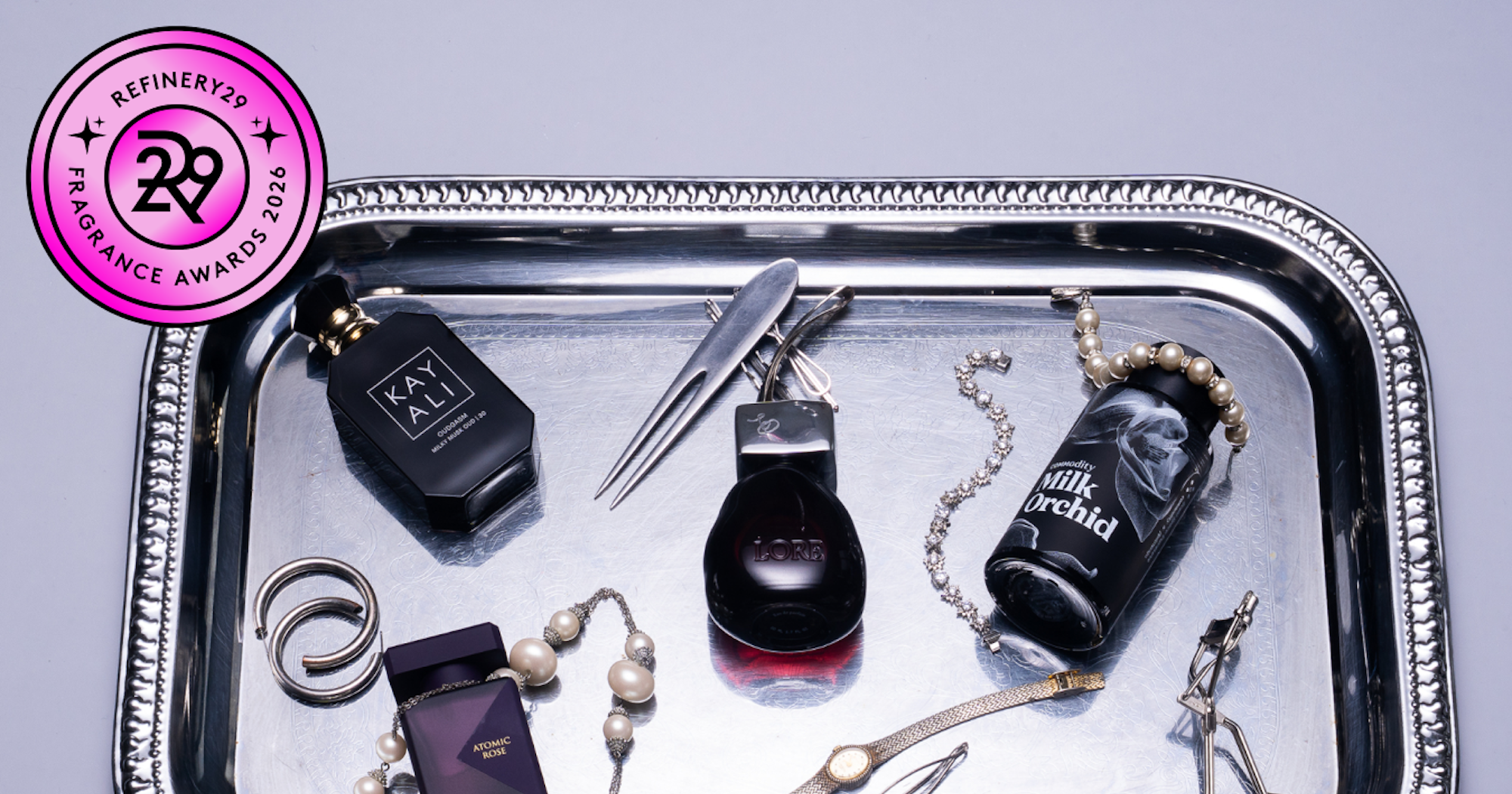
There are beauty categories you follow, and then there are the ones that follow you – into the elevator, through the workday, onto a jacket you wore three weeks ago. Fragrance lives in that second group. The Refinery29 beauty desk spent the past several years actively testing, wearing, and debating scents: at the office, at the gym (yes, that counts as controversial), and at home when no one else is around to notice. The result is their Fragrance Awards 2026 – 29 scents that survived the full cycle of testing, re-testing, and unsolicited compliments.
What makes this list different from a standard roundup is the timeline behind it. These aren’t scents worn once on a PR trip or spritzed at a department store counter. They’ve been lived in, layered, and discussed with friends and colleagues across multiple seasons. Niche houses sit alongside major names. Some will be familiar. A few might change how you think about what your signature can actually smell like.
The Scent Taking the Top Spot
The single biggest recognition from the awards went to Byredo’s Future Memories Eau de Parfum, named Best New Fragrance. It retails at $235 for 50ml – not entry-level pricing, but the kind of number that becomes easier to justify when a scent performs the way this one reportedly does.
Refinery29 beauty director Jacqueline Kilikita has been vocal about where she thinks Future Memories is headed: she believes it will eventually surpass Byredo’s existing cult favorites, Bal D’Afrique and Gypsy Water, in terms of the brand’s defining identity. That’s a significant claim for a house whose older releases have built loyal followings over more than a decade. Gypsy Water in particular has spent years as a go-to recommendation in fragrance communities, so displacing it is not a small prediction.
The scent itself opens with what Kilikita describes as “a generous pour of vanilla-steeped whiskey.” That boozy, warm opening is the hook – the thing that makes someone across a room turn and ask what you’re wearing. But Future Memories doesn’t stay there. It shifts as it wears, unfolding into tobacco-like iris butter, orange blossom, and a salty, skin-close musk that reads as deeply personal rather than loud. The progression is what keeps it from being a novelty.
Kilikita’s reference point is the 1920s speakeasy – cigar smoke, strong cocktails, perfumed jacket lapels. It’s a nocturnal, slightly illicit atmosphere for a fragrance with “future” in its name, which creates an intentional tension. The name promises something forward-looking; the actual smell reaches back toward a specific era of American excess and intimacy. Whether that contradiction is a flaw or part of the appeal probably depends on how you approach fragrance in the first place.
The longevity detail is the most concrete evidence in its favor. Kilikita sprayed Future Memories on a jacket over a month before the review was published. When she went back to it, the scent was still present – still, in her description, as hypnotic as it was on day one. Fabric retention that strong is relatively rare, and for people who prefer their fragrance to exist beyond the first hour of the day, that’s a meaningful data point rather than a marketing claim.
At $235 for 50ml, Future Memories lands in Byredo’s standard pricing territory. The brand has always operated in the premium niche space rather than the ultra-luxury end, which means this isn’t aspirational in the way that, say, a Xerjoff or a Roja Dove bottle would be – but it’s also not the kind of purchase most people make impulsively. The bottle will sit on the shelf. It will be used selectively. And if Kilikita’s longevity experience holds across different skin types and fabrics, the cost-per-wear calculation shifts considerably.
How 29 Scents Made the Final List
The broader Fragrance Awards 2026 covers 29 scents in total, which is a deliberately specific number – matching the publication’s name. The selection process wasn’t based on launch date alone. Refinery29’s editorial team describes their approach as one of ongoing exposure: smelling new launches alongside classics, wearing them repeatedly, and filtering out the ones that only impressed on first contact. The classics-alongside-new-releases framework matters because it creates a competitive baseline. A new fragrance doesn’t just have to be good – it has to hold up next to things that have already proven themselves.
The awards span from niche, under-the-radar houses to the biggest names in the industry. That range reflects something honest about how fragrance actually works for most people. Not everyone shopping for a new scent is looking for the most obscure bottle on the shelf, and not everyone wants to wear whatever is currently being advertised in airports. The list accommodates both instincts without forcing a hierarchy between them.

Why Fragrance Awards Have Actual Stakes
Editorial fragrance awards carry weight because the category is notoriously hard to evaluate without time. Skincare results show up in the mirror. Makeup performs visibly in the moment. Fragrance requires something else – repeated wear across different conditions, different seasons, different moods. A scent that works in January on dry winter skin may read completely differently on a humid August afternoon. Awards that acknowledge this by building in multi-year testing windows are doing something useful, even if the format still involves a certain amount of subjective editorial judgment.
The Refinery29 list names Future Memories as its top pick for 2026, but the other 28 scents carry the weight of the same testing framework. Readers looking for something more restrained, more floral, or more accessible in price will presumably find options across the full 29. What the Best New Fragrance win for Byredo signals, specifically, is that the editors found a scent with a strong enough opening, interesting enough development, and durable enough performance to outrank everything else they tested. Future Memories’ staying power on a jacket over a month later is, at minimum, the kind of concrete detail that makes a $235 decision feel less like a gamble.