



Beauty enthusiasts have a narrow window to capitalize on Amazon’s summer beauty event, where discounts reach 70% on coveted skincare and makeup essentials.
The Numbers Behind the Beauty Blitz
Amazon’s summer beauty promotion spans hundreds of products across major and emerging brands. The sale includes everything from high-end serums typically priced above $80 to drugstore staples that rarely see meaningful markdowns. Professional makeup artists and beauty editors frequently stock up during these seasonal events because the savings often exceed what industry professionals receive through their usual discount channels.
The timing coincides with mid-year inventory clearing, when beauty brands push older formulations and packaging designs to make room for fall launches. This creates opportunities for consumers to access premium products at prices typically reserved for Black Friday or end-of-year clearances.
Unlike traditional beauty retailer sales that focus on specific categories, Amazon’s approach covers the full spectrum. Skincare dominates the selection, but hair care, fragrance, and color cosmetics all receive substantial markdowns. The platform’s algorithm prioritizes products with strong review scores and consistent sales velocity, meaning heavily discounted items usually deliver on their promises.
Several factors drive these deep discounts beyond simple inventory management. Beauty brands use Amazon as a testing ground for new products, and successful launches here often predict broader market acceptance. When products underperform or face packaging updates, brands prefer moving inventory through Amazon’s massive customer base rather than through traditional beauty retailers where shelf space commands premium positioning.
Strategic Shopping in the Beauty Marketplace
Experienced beauty shoppers approach these sales with specific strategies that maximize both savings and product effectiveness. They prioritize items with expiration dates far in the future, focusing on products they already know work for their skin type or hair texture. Blind buying during sales, while tempting, often leads to product waste when formulations don’t match individual needs.
The most significant savings appear on skincare systems and treatment products rather than basic cleansers or moisturizers. Premium retinol serums, vitamin C treatments, and specialized masks frequently see the steepest percentage reductions. These products normally carry higher profit margins, allowing brands more flexibility in pricing during promotional periods.
Hair care represents another category where sale pricing creates genuine value. Professional-grade styling tools, heat protectants, and salon-quality shampoos rarely receive meaningful discounts outside these major promotional windows. The inclusion of tools alongside products gives consumers opportunities to upgrade their entire routine rather than just replacing individual items.
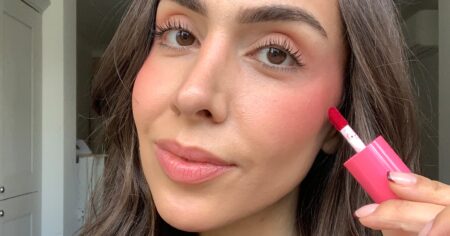
Color cosmetics present a different calculation during sales. Foundation and concealer require precise shade matching, making discounted purchases risky unless buyers already know their exact match in specific formulations. However, neutral eyeshadow palettes, lip products in universally flattering shades, and high-quality brushes offer safer investments during promotional periods.
The sale structure also rewards bulk purchasing through additional discounts on multiple items from the same brand. This approach works particularly well for skincare routines where products are designed to work together, or for households buying gifts in advance of upcoming occasions. Beauty brands increasingly structure their Amazon partnerships to encourage this type of strategic purchasing behavior.
Beyond the Discount Headlines
The real story behind Amazon’s beauty sales lies in how they’re reshaping consumer purchasing patterns across the entire beauty industry. Traditional beauty retailers now compete directly with these online promotional events, often matching or exceeding Amazon’s discounts to retain customer loyalty. This competition benefits consumers but pressures beauty brands to maintain profitability while supporting multiple discount channels simultaneously.
The success of these sales also reflects changing attitudes toward beauty product discovery and trial. Younger consumers particularly embrace the opportunity to experiment with higher-end products at accessible price points, using sales as entry points into premium beauty routines they might not otherwise afford. Will this shift toward promotional purchasing eventually force beauty brands to reconsider their standard pricing structures?