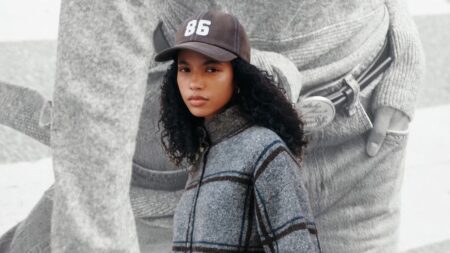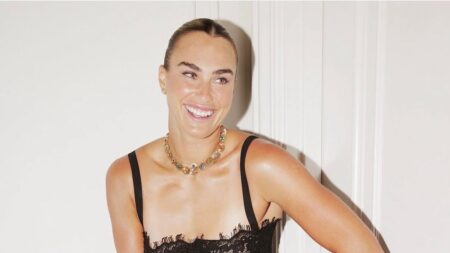





The latest celebrity hair transformation doesn’t involve dramatic cuts or rainbow colors. Dakota Johnson stepped out with honey-blonde highlights and two additional subtle modifications that collectively redefined her signature look without abandoning what made it recognizable in the first place.
These changes represent a sharp departure from the major makeover culture that has dominated social media beauty content for years. Johnson’s approach suggests that meaningful style evolution happens through careful adjustments rather than sweeping overhauls.
The Three-Part Formula
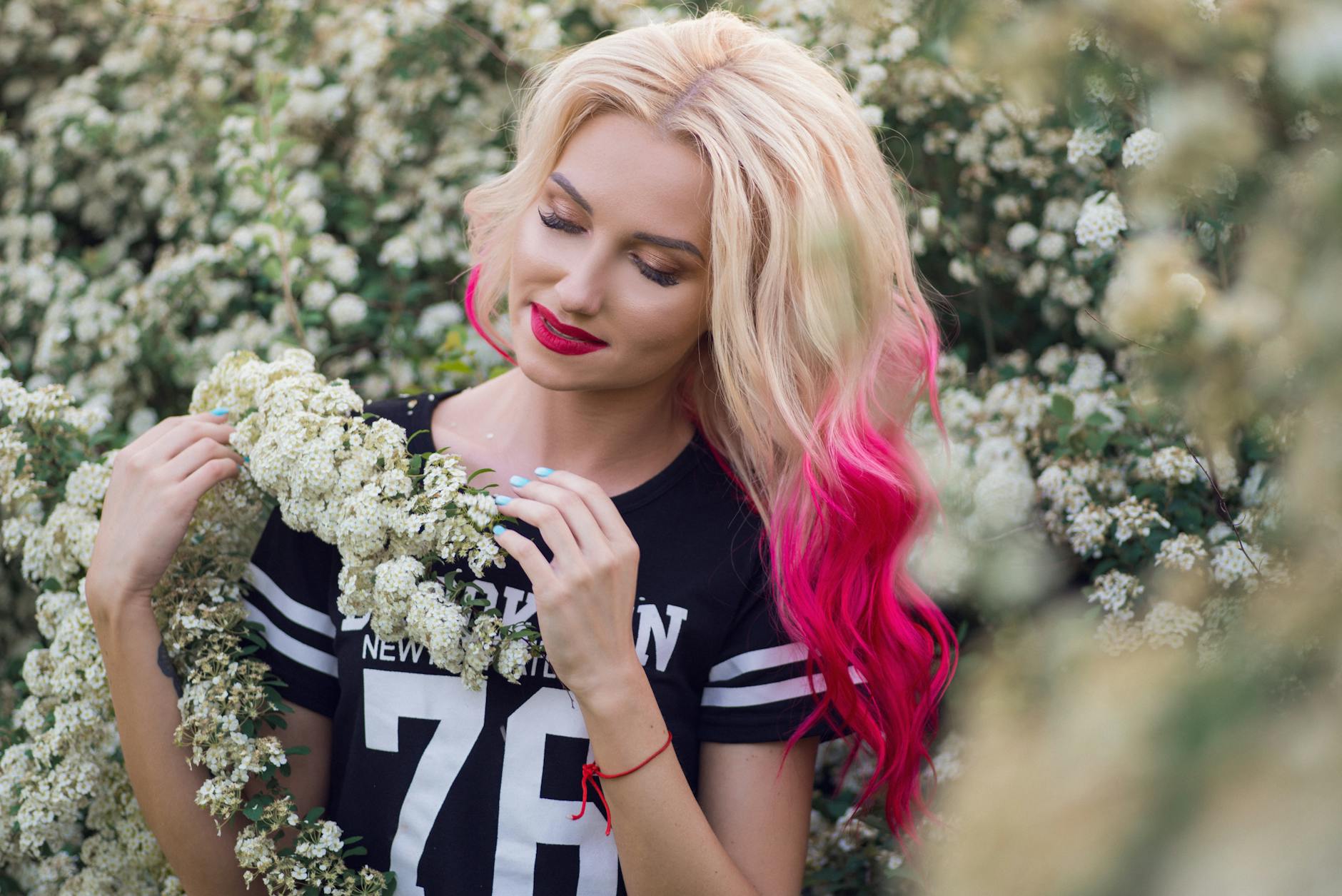
Johnson’s colorist added honey-blonde highlights strategically placed to catch light around her face. The warm tones complement her natural brunette base while creating dimension that photographs beautifully under different lighting conditions. This technique avoids the harsh contrast lines that often make highlights look obviously artificial.
The second change involved subtle layering throughout the mid-lengths of her hair. These layers weren’t cut to create volume or dramatic movement, but rather to allow the new highlights to blend more naturally with her existing hair texture. The layering also reduces the weight of her hair, making it easier to style in humid summer weather.
A slight trim completed the transformation. Johnson’s stylist removed about an inch from the ends, creating a blunt finish that makes the hair appear thicker and healthier. This detail work often gets overlooked, but clean ends are what separate professional color jobs from DIY attempts.
Why Minimal Changes Matter More
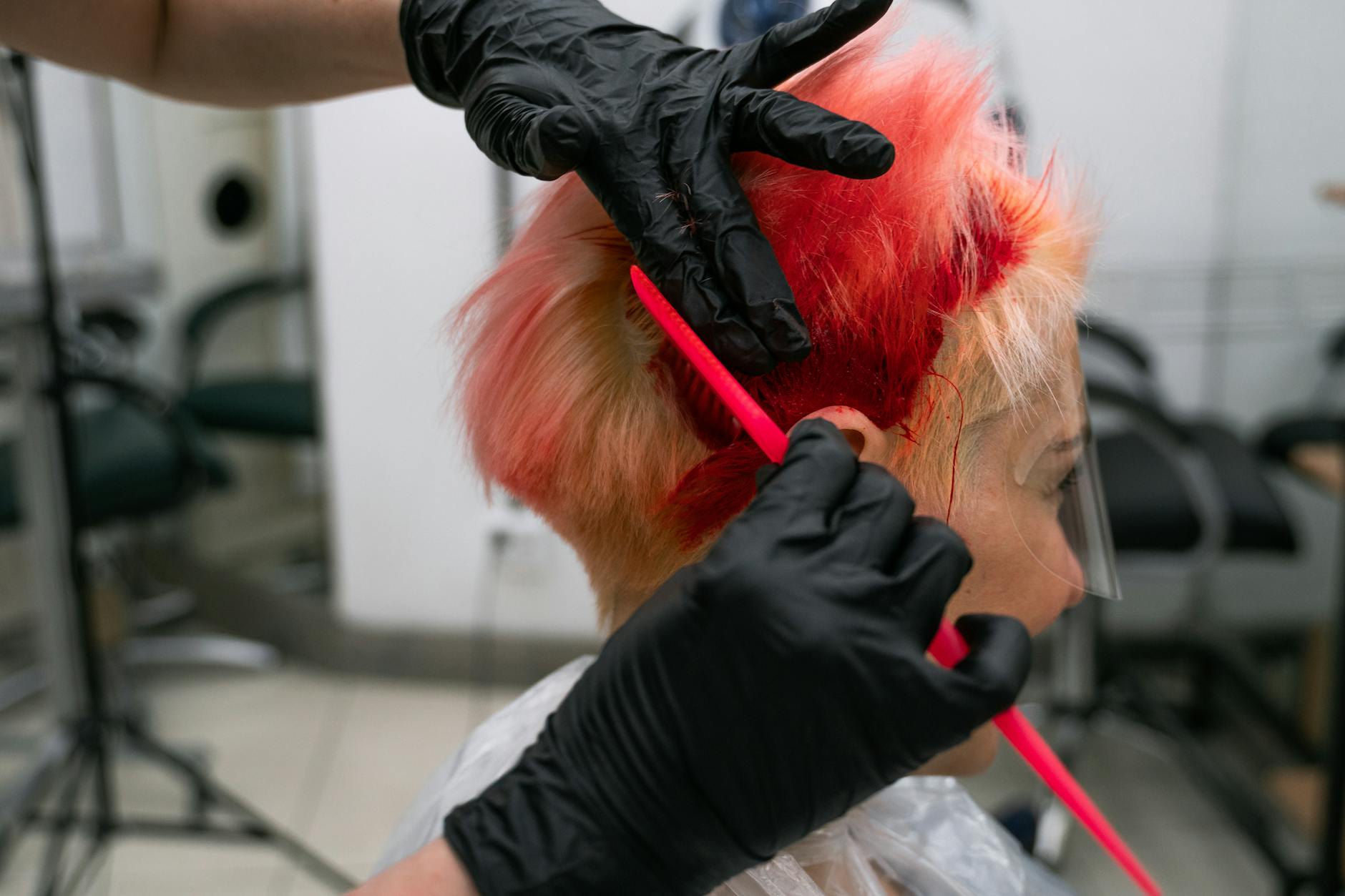
Professional colorists report that clients increasingly request subtle modifications rather than complete transformations. This shift reflects both practical concerns about hair damage and a growing preference for low-maintenance beauty routines that don’t require frequent touch-ups.
Johnson’s highlights will grow out gracefully over several months, unlike all-over color or dramatic bleaching that creates obvious regrowth lines. The honey tones will fade gradually, maintaining a natural appearance even as the color changes.
The Technical Details
Creating effective highlights requires understanding how different blonde tones interact with various brown shades. Johnson’s colorist likely used a technique called balayage, which involves hand-painting color onto specific sections rather than using foils that create uniform streaks. This method produces more natural-looking results because it mimics how the sun would naturally lighten hair.
The honey shade chosen for Johnson works because it sits only two to three levels lighter than her natural color on the professional color scale. Staying within this range prevents the brassy yellow tones that occur when hair is bleached too aggressively. Professional colorists often add toners after the lightening process to achieve these precise honey hues.
Temperature control during the coloring process also affects the final result. Johnson’s highlights show no signs of the orange undertones that plague many blonde attempts. This suggests her colorist used proper heat management and timing throughout the application.
The layering technique used on Johnson’s hair appears to follow the face-framing method, where shorter pieces around the front gradually blend into longer lengths toward the back. This creates movement without requiring extensive styling or products to maintain the shape. The layers also help distribute the new highlights more evenly, preventing them from appearing concentrated in one area.

Johnson’s approach challenges the assumption that summer hair changes need to be bold or attention-grabbing. Her three modifications work together to create a cohesive new look that photographs well but doesn’t scream “I just got my hair done.” Will other celebrities follow this understated path, or does Johnson’s restraint make her the exception rather than the rule?