




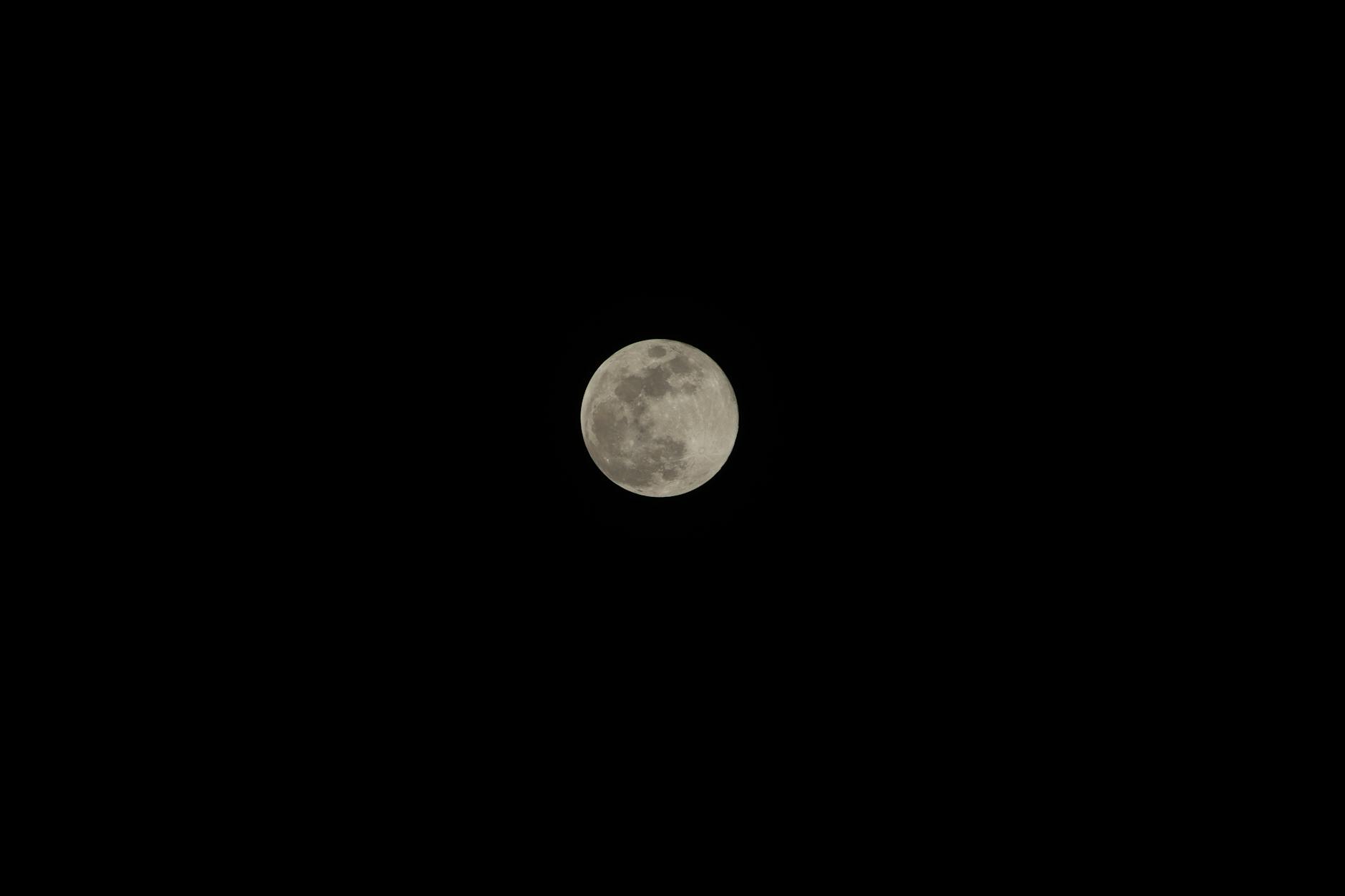
May 2026 delivers an unusual celestial gift: two full moons in a single month, starting with the first on May 1. This rare occurrence, known as a blue moon month, begins with what’s traditionally called the Flower Moon.
The timing couldn’t be more interesting for those who track lunar cycles.
Astrologers and moon watchers are already marking their calendars for this double feature, which happens roughly every two to three years when lunar timing aligns just right with our calendar months.
The Science Behind May’s Lunar Schedule
A full moon occurs every 29.5 days on average, which means most months contain just one. When a month gets two, it’s because the first full moon happens early enough in the month – typically within the first three days – to allow a complete lunar cycle before the month ends. May 1 fits this pattern perfectly.
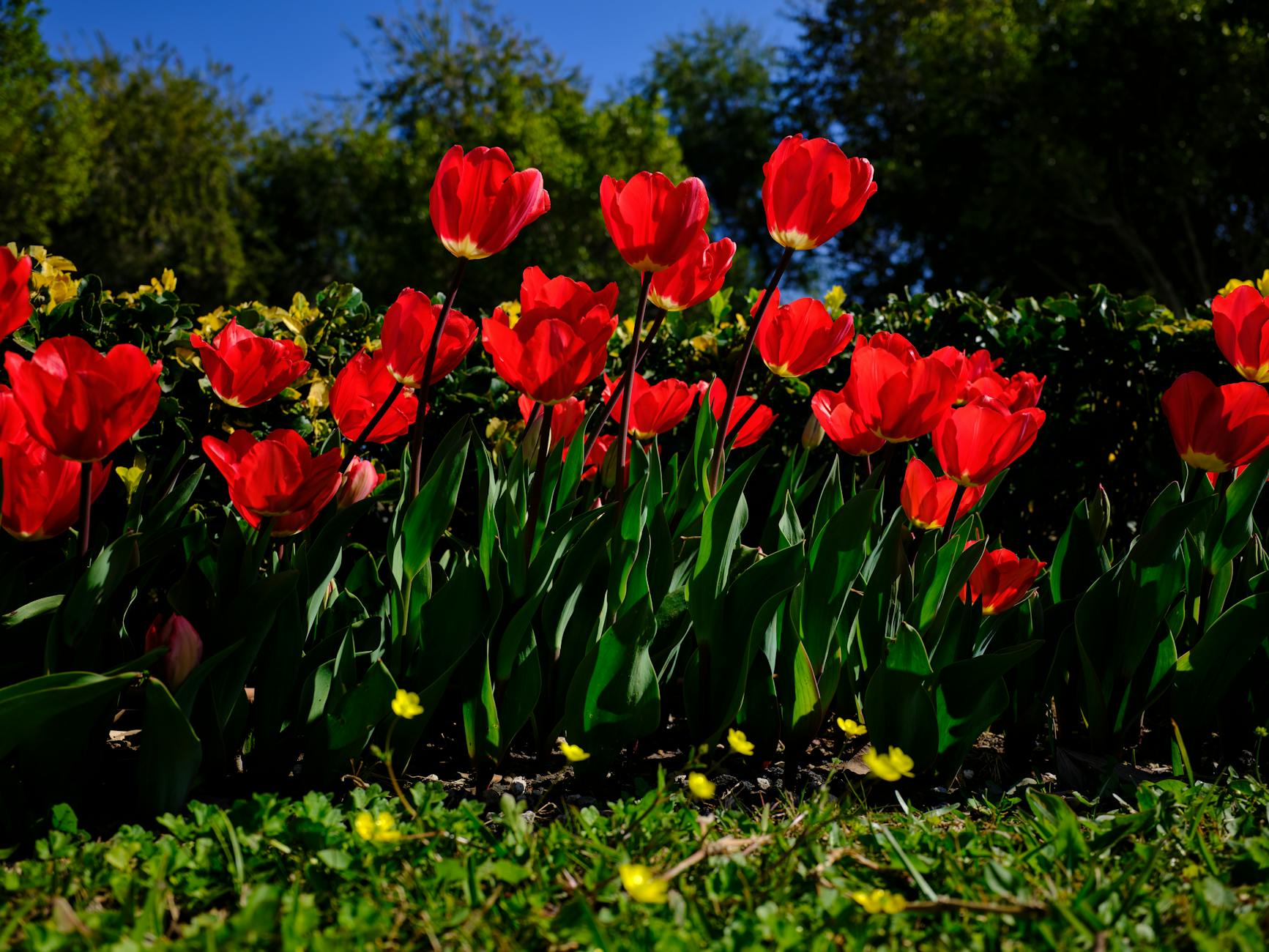
The Flower Moon name comes from Native American traditions, specifically referencing the abundant blooms that typically emerge across North America during May. Different tribes had their own names: the Algonquin called it the Corn Planting Moon, while the Dakota referred to it as the Moon When Leaves Are Green.
This particular May full moon will reach peak illumination in the early evening hours for most of North America. The exact timing varies by location, but observers can expect optimal viewing conditions shortly after sunset when the moon appears largest and most dramatic against the darkening sky.
Working With Lunar Timing
Full moons have long been associated with completion, release, and heightened emotional energy in various cultural traditions. Many people use these monthly peaks to evaluate progress on personal goals, clear out physical and mental clutter, or make important decisions they’ve been postponing.
The May 1 timing adds another layer of significance. Spring cleaning takes on deeper meaning when aligned with lunar energy, whether that involves organizing living spaces, reassessing relationships, or simply taking stock of where life stands at the year’s midpoint.
Those interested in moon rituals often focus on gratitude practices during full moons, writing down accomplishments and positive changes since the previous cycle. Others prefer meditation or journaling sessions designed to process emotions that tend to surface more intensely during peak lunar phases. The key lies in intention rather than specific practices – choosing activities that feel meaningful rather than following rigid formulas.
Planning for the Second May Moon
With two full moons in May 2026, the month offers double the opportunity for lunar-focused activities. The second full moon, arriving around May 31, will technically be the blue moon – the term for the second full moon in a calendar month.

This creates an interesting dynamic for people who track their goals and habits by lunar cycles. Instead of waiting a full month between peak energy periods, May provides a mid-month reset opportunity. Some find this helpful for maintaining momentum on spring projects or making course corrections without losing an entire cycle.
But will anyone actually remember to look up on May 31 when the month has already delivered such early celestial drama?