




The Tube Nobody Could Squeeze
The Inkey List built its reputation on affordable, no-nonsense skincare that actually works – so when its Oat Cleansing Balm started accumulating a consistent stream of complaints, ignoring the noise wasn’t really an option. Users reported three recurring problems: the tube was nearly impossible to squeeze, the formula left an oily, film-like residue after rinsing, and gritty particles made what was supposed to be a calming cleanse feel abrasive instead.
As of today, the original Oat Cleansing Balm begins its slow disappearance from shelves. In its place: the Oat Balm Cleanser – same brand, same $17 price point, and according to cofounder Mark Curry, a fundamentally different product underneath the rebranded packaging.
Four Years and 129 Formulas
Reformulating a hero product is one of the riskier moves a skincare brand can make. Curry acknowledged as much, telling Refinery29 that the decision came with real stakes – longtime users had an attachment to the original, flaws and all, and messing with a bestseller can alienate the very people who made it one. But the volume of community feedback eventually made inaction the bigger risk.
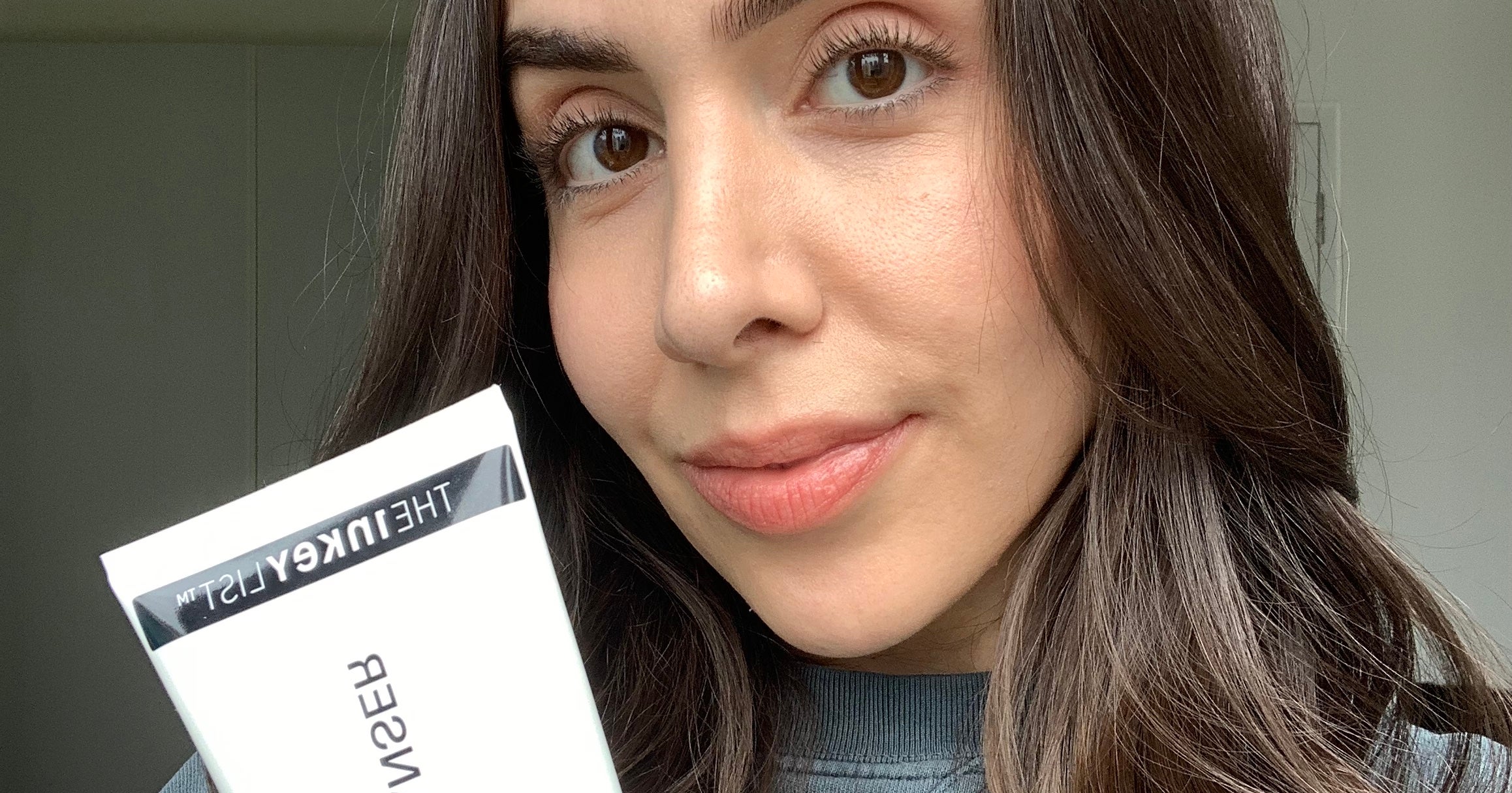
“We set out to reformulate the product to address three main concerns from our community,” Curry said: “Formula separation and graininess, a film-like residue left on the skin post-use, and difficulty squeezing the product out of the tube.” What followed was four years of development and 129 separate formula attempts before the brand landed on something it was willing to release.

That number – 129 attempts – isn’t marketing hyperbole tacked onto a press release. Curry is The Inkey List’s lead product formulator, not just a figurehead cofounder, so the iteration count reflects actual lab work rather than a vague commitment to quality. The brand’s founders, Curry and Colette Laxton, have made a point of staying close to customer feedback since the brand launched, which is part of why the complaint pattern got taken seriously rather than absorbed as acceptable churn.
The resulting formula is described by Curry as “a smoother, richer, buttery balm texture that glides onto skin and rinses clean.” The squeezable tube stays – that part, at least, people liked – but the formula inside has been rebuilt from scratch to address each of the three documented issues. No grit. No residue film. No white-knuckling the packaging to get product out.
What’s Actually Different
At first glance, the packaging change looks minimal – “Cleansing Balm” swapped for “Balm Cleanser,” which reads like a copywriting tweak rather than a product overhaul. But the name shift tracks with the reformulation’s intent: the new version prioritizes a clean rinse over the heavier, more emollient quality that defined the original and contributed to its residue problem.
Balm cleansers sit in a specific niche within the broader double-cleansing trend – they’re meant to dissolve sunscreen and makeup without stripping the skin barrier, then rinse away without leaving a greasy layer behind. The original formula failed at that second part for enough people that the complaints reached critical mass. The reformulated version is designed to do both jobs cleanly, which, if it delivers, puts it in stronger competition with balm cleansers that retail for significantly more than $17.
Finding the Old Formula While You Still Can
The original Oat Cleansing Balm hasn’t vanished overnight. Remaining stock is still visible on Amazon and at Sephora as of now, which means shoppers who preferred the original texture – a minority, but they exist – have a short window to stock up. For everyone else, the new Oat Balm Cleanser is the version moving forward.
For a $17 product, the development timeline is striking. Most budget skincare lines don’t absorb four years of R&D costs on a single SKU, particularly one that was already selling. The Inkey List bet that getting the formula right mattered more than speed to market – a calculation that either reflects genuine brand values or a very clear read on how quickly a loyal skincare audience will abandon a product that consistently underperforms. Probably both.
The question now is whether 129 attempts was enough – or whether a new round of reviews will surface problems that four years of lab testing didn’t catch.