




The Problem Isn’t Your Wardrobe Size
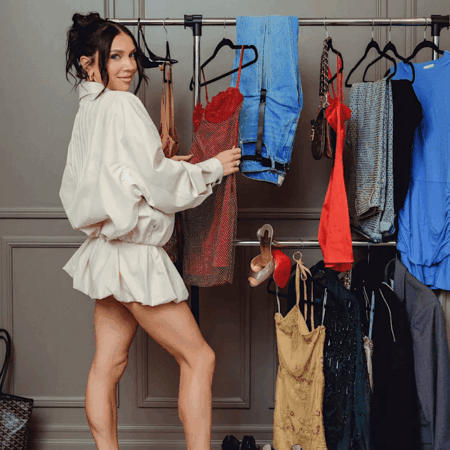
Most people who feel stuck in their style aren’t lacking clothes – they’re lacking a framework. The average American closet holds somewhere between 100 and 300 items, yet the same research consistently shows people wear roughly 20% of what they own on a regular basis. That math is brutal, and it points to something more structural than a bad shopping trip or a rough season.
Getting dressed shouldn’t feel like a negotiation with yourself every morning. When it does, the wardrobe usually isn’t the core issue – the thinking behind it is. Before buying anything new, it helps to understand exactly where the disconnect is happening, because the fix for a wardrobe built on impulse buys looks very different from the fix for one built on clothes that fit poorly or don’t connect to each other at all.
You’re Dressing for a Life You Don’t Actually Live
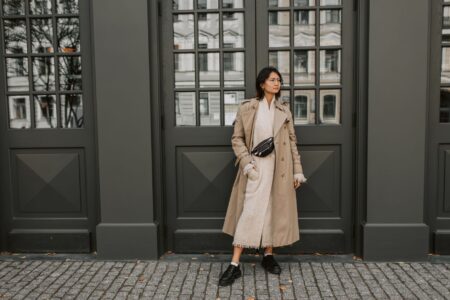
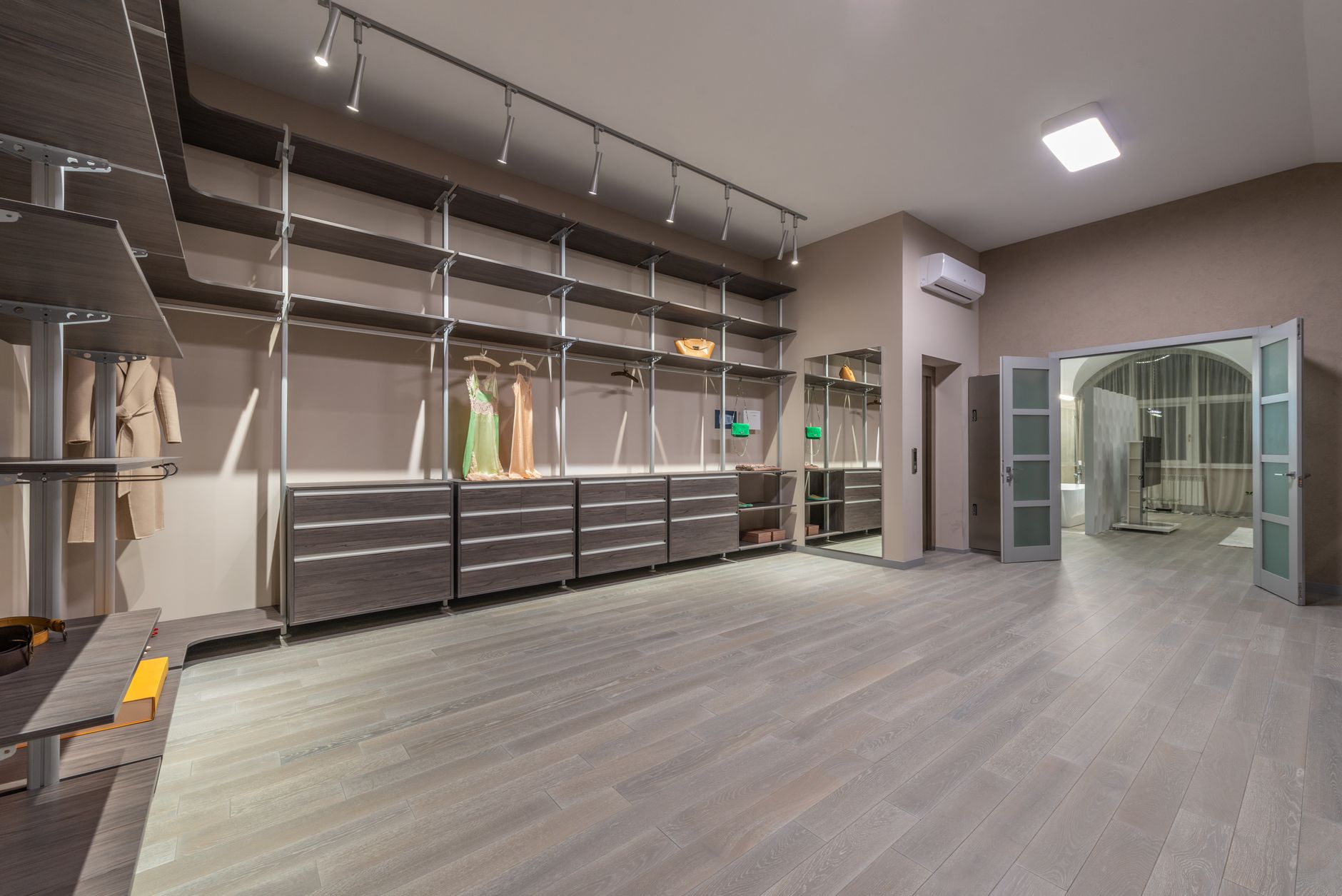
One of the most common wardrobe failures has nothing to do with taste. It has everything to do with aspiration outpacing reality. People buy clothes for the life they imagine – dinner parties, weekend trips, gallery openings – while their actual week involves a commute, a desk, and grocery runs on Sunday. Those cocktail dresses and structured blazers sit unworn while the same three comfortable outfits rotate endlessly.
The fix isn’t to lower your standards. It’s to do a simple audit: take stock of where you actually spend your time over a typical two-week period, then check whether your wardrobe reflects that breakdown. If 60% of your life happens in casual or professional-casual settings and 5% happens at formal events, your closet should probably reflect something close to that ratio. Clothes that match your real life get worn. Clothes that match a fantasy don’t.
Fit Is Doing More Work Than You Think
Fit is the variable that separates an outfit that reads as intentional from one that looks like an afterthought. An expensive piece that fits badly will lose to a cheap piece that fits well every single time. This isn’t a style opinion – it’s the basic mechanics of how clothing interacts with a body in motion.
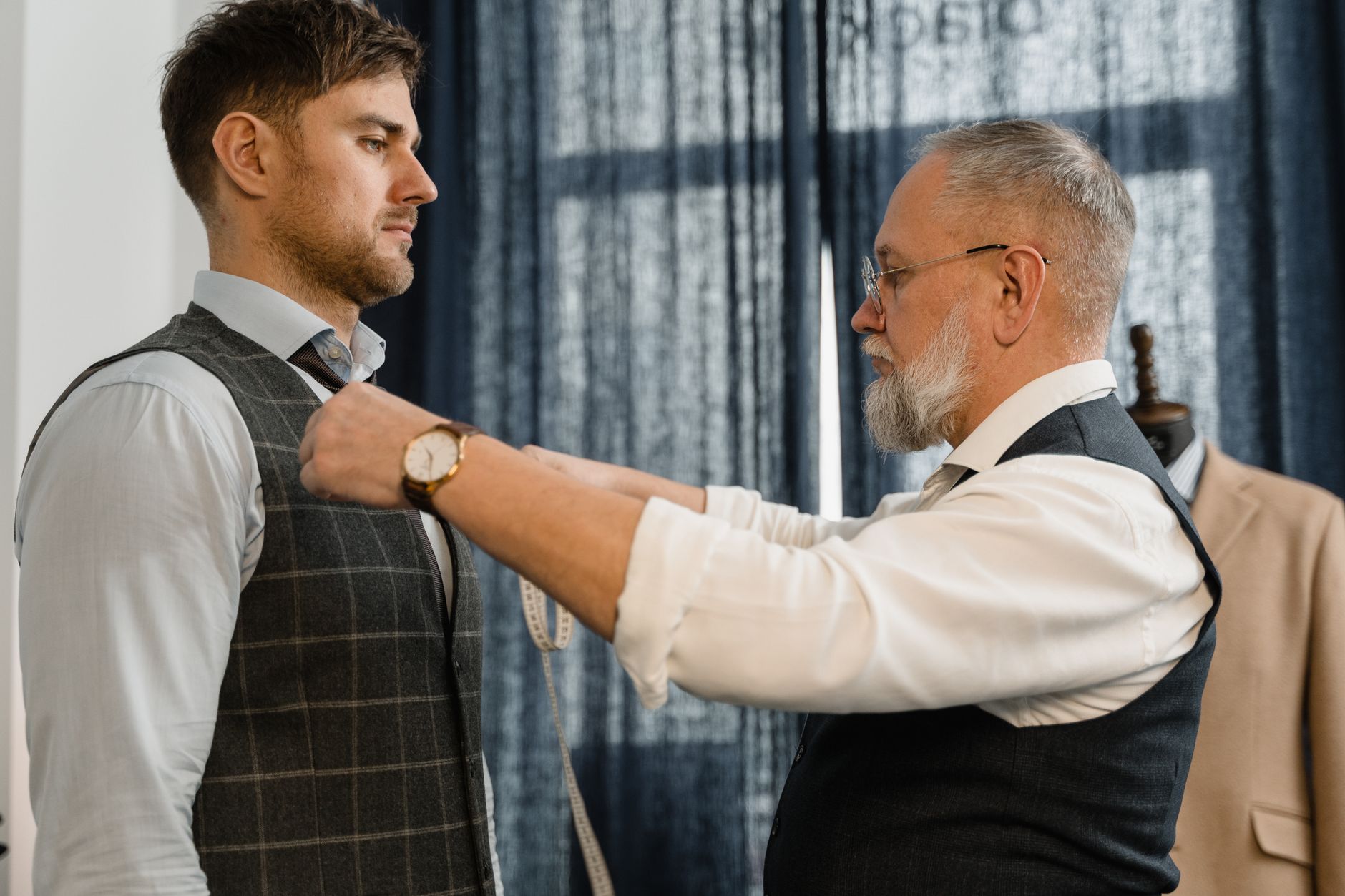
The issue is that most people buy clothes based on how they look hanging on a rack or flat on a screen, not how they drape and move on an actual body. Shoulders that pull, waistbands that gap, hems that hit at the wrong point on the leg – these are fixable problems, but only if you’re willing to either tailor items you already love or stop buying things that don’t fit in the hope that they eventually will.
Tailoring carries a reputation for being expensive and reserved for suits and formalwear. That reputation is mostly outdated. A basic hem on a pair of pants typically runs between $10 and $20 at a local tailor, and taking in the waist on a dress costs roughly the same. These alterations change the relationship between a garment and your body in ways that no styling trick fully replicates. A wardrobe with 15 well-fitting pieces functions better than one with 80 pieces that never quite sit right.
Beyond tailoring, understanding your own proportions matters. If you consistently feel like something is “off” in photos, the problem is often that the clothing proportions aren’t balancing your natural ones. Wide-leg trousers might need a fitted top to avoid feeling overwhelmed. An oversized jacket might need a straight-leg pant rather than a wide one to avoid the silhouette losing its shape entirely. These aren’t rigid rules – they’re reference points that help you make faster, more confident decisions in a fitting room.
Color Is a System, Not a Preference
Picking colors you personally like is only the first step. The more useful exercise is figuring out which colors in your wardrobe actually work together – and which ones are orphaned pieces that never get paired with anything else because nothing else matches them. A closet full of disconnected colors looks full but functions like it’s empty.
Building around a loose color palette – three to five core colors that rotate well with each other, plus a neutral or two – dramatically increases the number of workable combinations without requiring more clothes. This is less about following any specific color theory and more about noticing which shades keep showing up in the outfits you actually wear, then buying intentionally within that range going forward.
Shopping Habits Are Often the Real Culprit
A wardrobe gets built one purchase at a time, which means bad buying habits compound quietly over months and years. Buying something because it’s on sale rather than because it fills a genuine gap is how closets end up packed with items that technically fit but never get worn. The same goes for buying trend pieces without considering whether they align with anything else you already own.
A useful reset is to identify what’s actually missing before shopping rather than discovering gaps while standing in a store. If you notice you’re always scrambling to find something to wear with your favorite jeans, the jeans aren’t the problem – the surrounding pieces are. Make a short list. Buy to the list. That level of intentionality sounds basic, but it changes the character of a wardrobe within a few purchase cycles.
It also helps to create friction between the impulse and the purchase. A 48-hour waiting period on anything that isn’t a genuine replacement for something worn out filters out a significant percentage of impulse buys that would otherwise contribute to the pile of things you own but never wear. This isn’t about deprivation – it’s about spending the same amount of money on fewer things that actually get used.
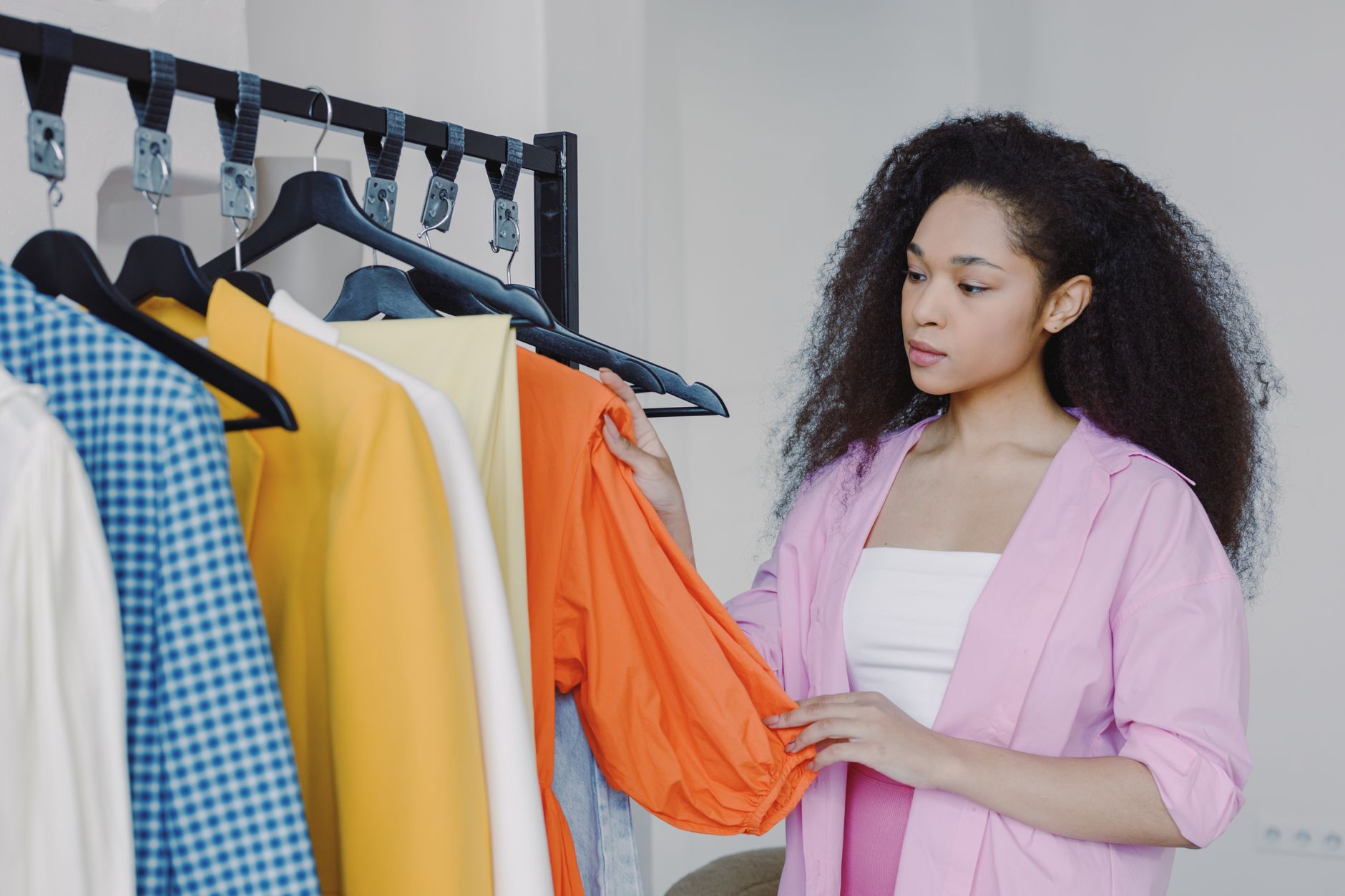
Personal Style Isn’t Found – It’s Built Incrementally
The idea that personal style is something you discover, fully formed, after the right Pinterest board or shopping trip is a myth that keeps a lot of people in a cycle of buying and dissatisfaction. Style develops slowly, through trial and error, through noticing what you reach for and what you avoid, through paying attention to what makes you feel sharp versus what makes you feel like you’re wearing someone else’s choices.
Start with a photo archive. Take pictures of the outfits you feel genuinely good in over a 30-day period – not the ones you planned to feel good in, but the ones where you didn’t think twice. After a month, patterns emerge: recurring colors, recurring silhouettes, recurring levels of formality. Those patterns are your actual style, stripped of aspiration and trend noise. Whatever shows up consistently in that archive is the thing worth building around – not the capsule wardrobe someone on the internet told you to buy, and not the version of yourself you dress for on days when you’re trying to look like someone else entirely.
The closet you want probably already has some of its foundation pieces hiding in the back, behind the things you bought on sale and the impulse buys from three years ago that still have their tags on. The real question is whether you’re willing to be honest about which is which.