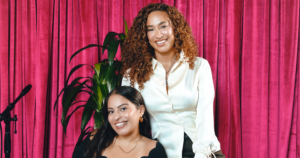



Indiana Fever guard Lexie Hull refuses to tone down her game-day glam despite facing criticism for wearing makeup during professional basketball games. Her response? Launch Forta, a sweatproof cosmetics brand designed specifically for athletes who want to look polished while performing at elite levels.
The controversy around Hull’s beauty routines highlights a persistent double standard in women’s sports. While male athletes rarely face scrutiny for their appearance choices, female players find themselves defending everything from hairstyles to lip gloss applications.

The Athletic Beauty Market Finds Its Moment
Hull’s Forta brand enters a cosmetics market increasingly focused on active lifestyles. Traditional makeup formulas struggle with intense physical activity, creating smudging, running, and general messiness that athletes must constantly manage. The Indiana Fever player identified this gap through personal experience – maintaining her preferred look during 40-minute games proved challenging with conventional products.
Forta’s formulations promise durability under extreme conditions. The line emphasizes sweat resistance without sacrificing color payoff or application smoothness. Hull developed these products after testing dozens of existing options that failed to meet professional athletic demands.
Game-Day Grooming Becomes Cultural Battleground
Hull’s makeup choices sparked debate beyond typical sports commentary. Critics argued that focusing on appearance during competition undermines athletic seriousness. Others questioned whether beauty routines distract from performance or send wrong messages to young fans watching women’s basketball.
The player pushes back against these perspectives with straightforward logic. Personal grooming choices remain individual decisions that shouldn’t require public justification. Hull maintains that feeling confident in her appearance actually enhances her court performance rather than detracting from it.
Her stance reflects broader conversations about feminine expression in traditionally masculine spaces. Women’s sports continue navigating expectations about how female athletes should present themselves. Some embrace traditionally feminine aesthetics while others reject beauty standards entirely – both approaches face criticism from different quarters.
Hull’s approach suggests a third path where athletes simply make choices without extensive cultural commentary. She wears makeup because she enjoys it, not to make political statements or challenge norms. This practical attitude may resonate with consumers seeking similar straightforward solutions.
Performance Cosmetics Market Heats Up
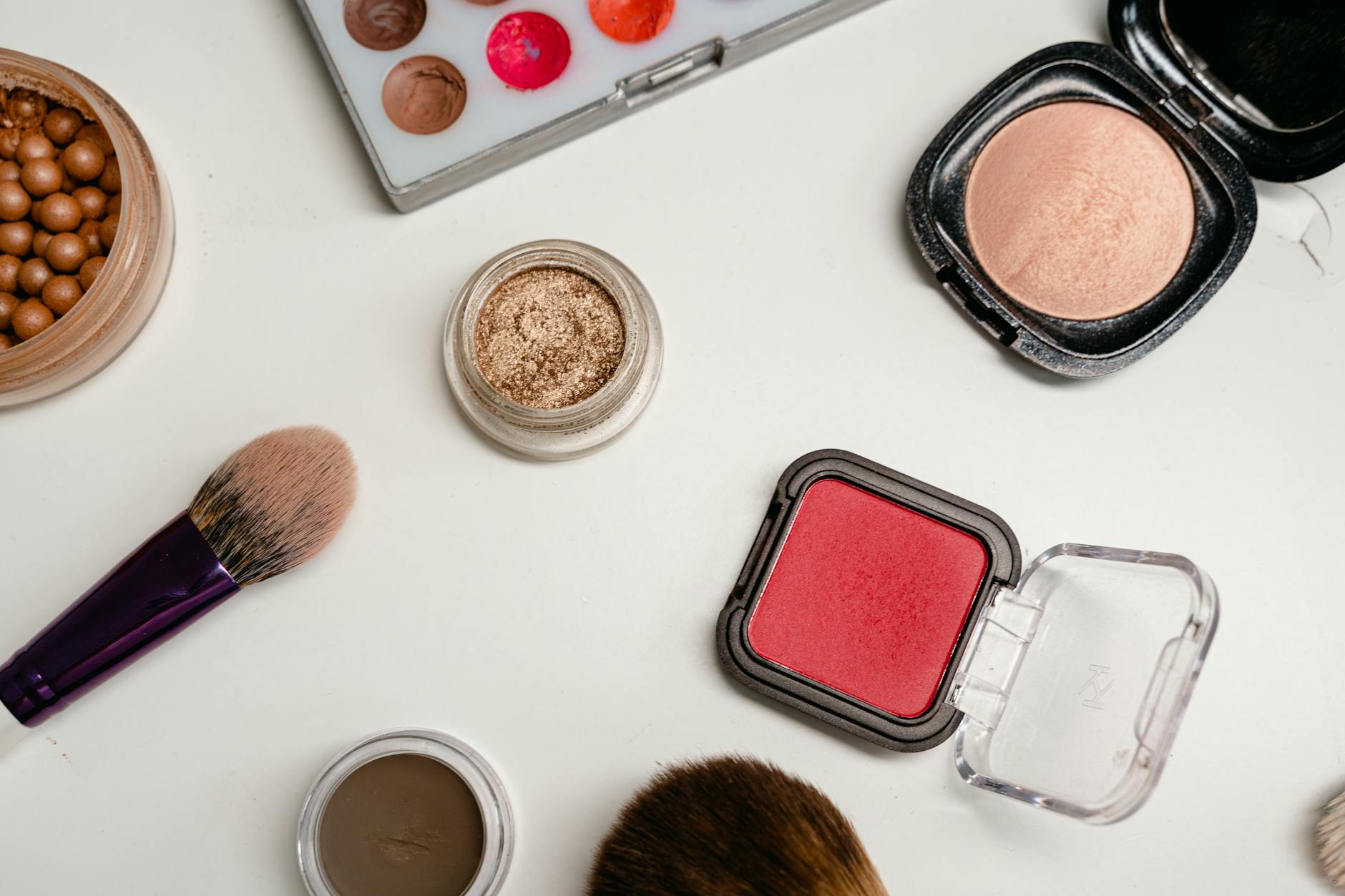
The athletic beauty segment attracts increasing investment from established brands and startup companies. Consumer demand grows for products that withstand workout sessions, outdoor activities, and competitive sports while maintaining aesthetic appeal. Hull’s timing positions Forta within this expanding market category.
Forta differentiates itself through athlete-specific testing and endorsement. Hull’s professional basketball experience provides credibility that traditional beauty brand founders often lack. Her personal brand connects with fans who follow her career and trust her product recommendations based on actual performance conditions.
Beyond the Beauty Debate
Hull’s business venture extends her influence beyond basketball court achievements. Professional athletes increasingly leverage their platforms for entrepreneurial projects, particularly in lifestyle and wellness categories. Her cosmetics line represents another example of sports figures building personal brands that outlast competitive careers.
The Indiana Fever player’s approach to criticism reveals changing attitudes among younger female athletes. Rather than defending personal choices extensively, Hull simply proceeds with business plans and product development. This confidence suggests shifting dynamics in how women’s sports personalities handle public scrutiny.

Whether Forta succeeds commercially depends on product quality and market execution rather than cultural debates about athlete appearance. Hull’s basketball performance remains her primary professional focus, but her beauty brand creates additional revenue streams and brand recognition. The question isn’t whether female athletes should wear makeup during games, but whether Hull’s formulations actually deliver on their sweatproof promises when the Indiana Fever takes the court.