





High-net-worth families are quietly adding a new role to their household staff rosters: professional dog walker coordinators. These specialized managers don’t just walk dogs – they orchestrate entire canine care ecosystems, managing teams of walkers, veterinary appointments, grooming schedules, and even coordinating playdates with other wealthy pet owners’ dogs.
The trend emerged from Manhattan’s Upper East Side and quickly spread to affluent neighborhoods across major metropolitan areas. Unlike traditional dog walkers who handle one or two pets at a time, these coordinators manage comprehensive pet care programs for families who own multiple dogs, travel frequently, or simply want military-precision organization for their four-legged family members.
Sarah Chen, who runs a luxury household staffing agency in San Francisco, reports a 300% increase in requests for dog walker coordinators over the past eighteen months. “We’re seeing families who previously managed pet care informally now wanting dedicated professionals to handle everything,” Chen explains. “These aren’t just dog lovers – they’re bringing corporate-level project management to pet care.”
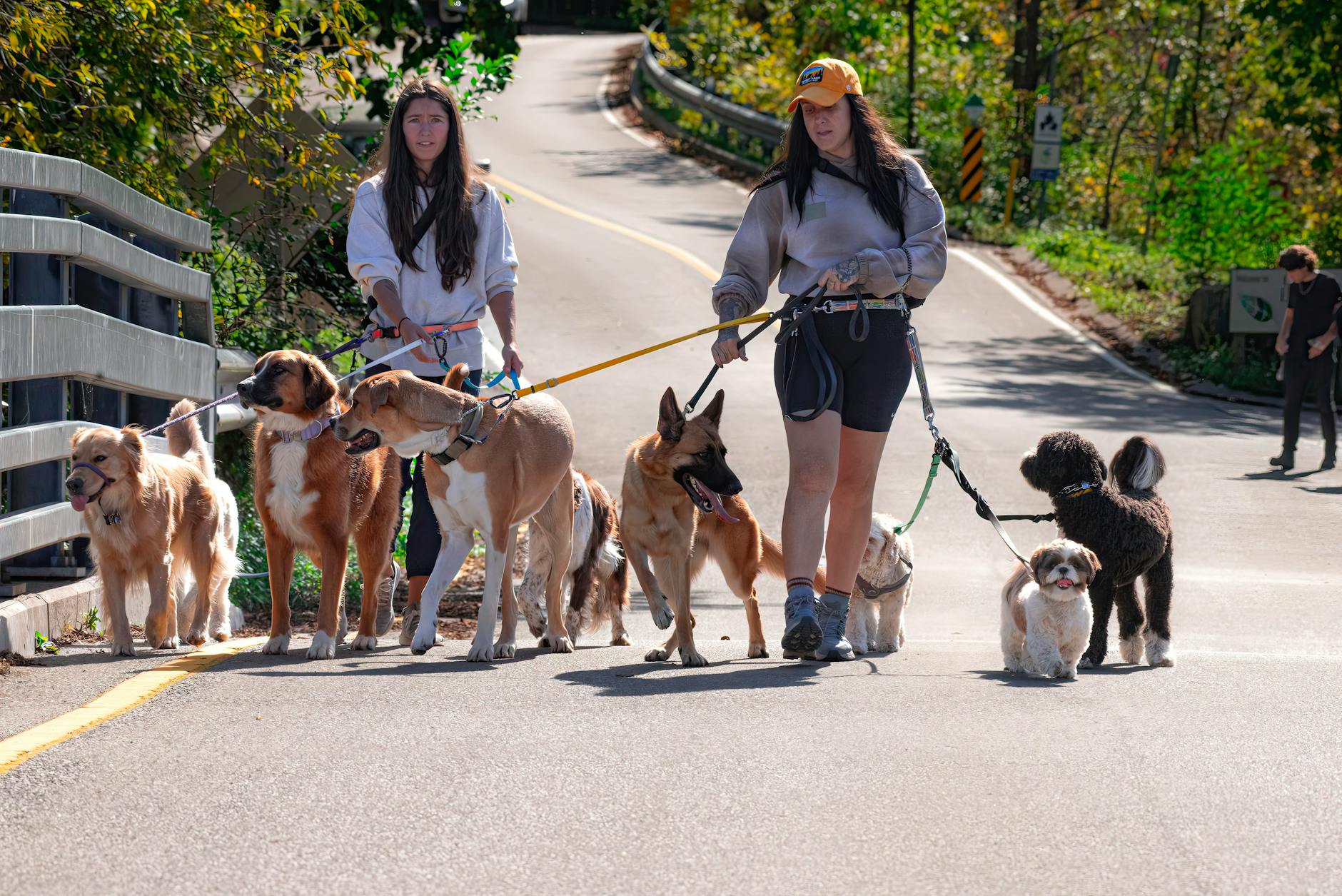
Beyond Basic Walking: The Full-Service Approach
Professional dog walker coordinators typically manage teams of three to five individual walkers, creating detailed schedules that accommodate each dog’s specific needs, energy levels, and social preferences. They maintain comprehensive digital files on every animal, including medical histories, behavioral notes, dietary requirements, and emergency contact information.
Jessica Martinez, who coordinates pet care for twelve families in Beverly Hills, describes her typical day: “I start by reviewing overnight reports from our night-shift walker, then coordinate morning walks based on each dog’s schedule. By 9 AM, I’m already planning afternoon activities and checking in with our grooming partners about next week’s appointments.”
The role extends far beyond logistics. These coordinators often serve as primary liaisons with veterinarians, trainers, and pet nutritionists. They schedule and attend medical appointments, coordinate training sessions, and even manage dietary consultations with canine nutritionists. Some maintain relationships with pet psychologists for dogs experiencing behavioral issues or separation anxiety.
Technology plays a crucial role in their operations. Most coordinators use sophisticated scheduling software originally designed for healthcare or logistics industries, adapted for pet care management. GPS tracking ensures real-time location monitoring during walks, while detailed photo and video reports keep traveling owners connected to their pets’ daily activities.
The Economics of Elite Pet Care
The investment in professional dog walker coordinators reflects broader trends in luxury household management. Families spending significant amounts on professional services to document their children’s lives are applying similar thinking to pet care.
Coordinator salaries typically range from $60,000 to $120,000 annually, depending on location and scope of responsibilities. This base salary often comes with benefits packages including health insurance, paid vacation, and sometimes housing allowances for live-in positions. The total investment, including the coordination team they manage, can reach $200,000 annually for families with multiple large dogs and complex schedules.
These positions attract candidates with diverse backgrounds. Former hotel concierges bring customer service expertise and crisis management skills. Ex-military personnel contribute organizational discipline and attention to detail. Some coordinators hold degrees in animal science or veterinary studies, adding specialized knowledge to their management skills.

The COVID-19 pandemic accelerated demand as wealthy families relocated to larger properties with more outdoor space, often acquiring additional pets during lockdowns. Remote work arrangements meant pets became accustomed to constant human presence, creating separation anxiety when normal schedules resumed. Professional coordination became essential for managing these transitions.
Network Effects and Social Coordination
Professional dog walker coordinators increasingly function as social network facilitators for both pets and owners. They arrange structured playdates between dogs from compatible families, coordinate group walks in private parks, and even organize seasonal events like puppy birthday parties or holiday photo sessions.
These social aspects reflect the broader trend of professional services addressing social needs in affluent communities. Coordinators often maintain relationships with similar professionals in other cities, facilitating smooth transitions when families travel or relocate.
Some coordinators specialize in specific dog breeds or sizes, developing expertise in particular care requirements. Others focus on multi-pet households, managing complex dynamics between different species or ages of animals. The most successful coordinators build reputations through word-of-mouth recommendations within tight-knit wealthy communities.
Insurance and liability management represent significant aspects of the role. Coordinators typically carry comprehensive liability policies covering potential incidents during walks or activities. They maintain detailed incident reports and communication protocols for emergencies, ensuring immediate veterinary care and family notification systems.
Quality Control and Professional Standards
The industry lacks formal certification programs, leading successful coordinators to develop their own training protocols and quality standards. Many require their walking teams to complete pet first aid certification, defensive dog handling courses, and customer service training.
Regular performance reviews include analysis of GPS tracking data, customer feedback surveys, and pet behavioral assessments. Some coordinators use wearable fitness trackers designed for dogs to monitor activity levels and ensure each animal receives appropriate exercise tailored to their breed and age requirements.
Documentation standards rival those found in healthcare settings. Daily reports include photos, activity summaries, behavioral observations, and any notable incidents or concerns. These records prove valuable during veterinary visits and help identify patterns in pet behavior or health status.
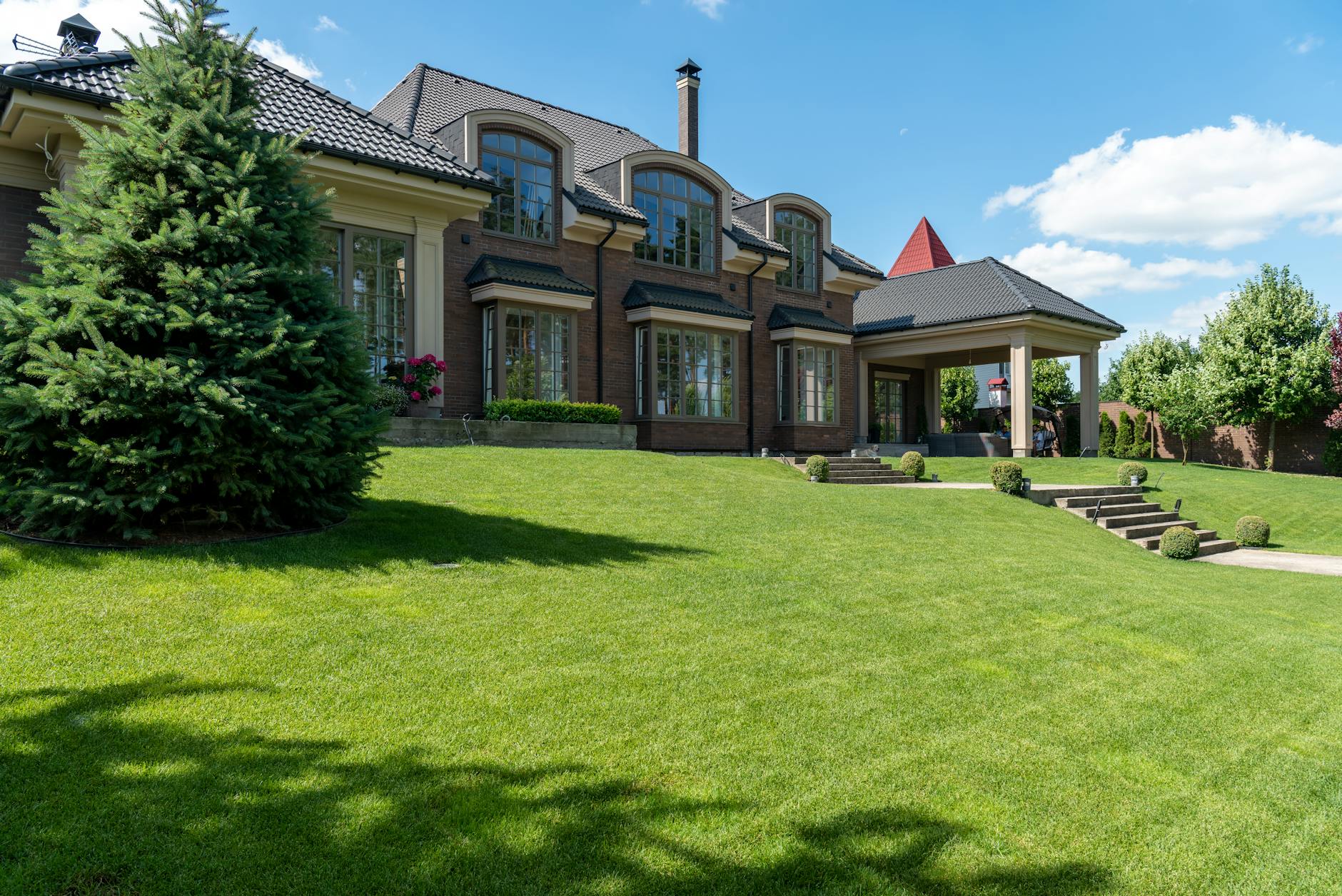
The emergence of professional dog walker coordinators signals a broader shift in how wealthy families approach household management. As remote work normalizes and urban living spaces become more pet-friendly, demand for sophisticated pet care coordination will likely expand beyond current metropolitan centers.
Industry observers predict the role will evolve to include additional services like pet travel coordination, specialized training program management, and integration with smart home systems for automated feeding and monitoring. The combination of genuine animal care expertise with high-level organizational skills positions these professionals at the intersection of luxury service and genuine pet wellness – a niche that appears poised for continued growth as affluent families increasingly view pets as integral family members deserving professional-grade care coordination.
Frequently Asked Questions
What does a professional dog walker coordinator do?
They manage teams of dog walkers, coordinate veterinary appointments, handle scheduling, and oversee comprehensive pet care programs for wealthy families.
How much do dog walker coordinators earn?
Salaries typically range from $60,000 to $120,000 annually, with benefits and sometimes housing allowances for live-in positions.