





The FIFA World Cup arrives in North America June 11 through July 19, but soccer jerseys have already scored their way into everyday wardrobes. What started as athletic wear confined to stadiums now appears at office meetings, weekend brunches, and date nights across major cities.
European soccer’s social media dominance last summer planted the first seeds of this shift.
Women’s soccer gained global traction, Ted Lasso secured its fourth season, and sporty fashion commandeered runway shows. TikTok users began experimenting with jersey styling beyond match days, creating outfits that work for errands, drinks, and professional settings. The timing aligns perfectly with sold-out collaborations from Adidas and Asos, plus celebrity endorsements of track shorts and cleats.

From Pinterest Pins to Street Style Reality
The jersey revolution began quietly on Pinterest and TikTok, where users shared styling tricks that transformed team colors into versatile wardrobe staples. These digital experiments quickly jumped offline. Soccer jerseys started appearing in New York City cafes, worn with maxi skirts and ballet flats rather than athletic shorts and cleats.
The aesthetic appeals to former players seeking nostalgic connections to their sporting past and newcomers drawn to the relaxed, graphic appeal of team designs. Retailers responded by creating cropped, collared, and oversized jersey options that sidestep team loyalty requirements while maintaining the signature sporty silhouette.
Major fashion brands now produce jersey-inspired pieces specifically for non-athletic wear. These designs capture the visual essence without requiring allegiance to any particular squad or league.
Office-Appropriate Soccer Style
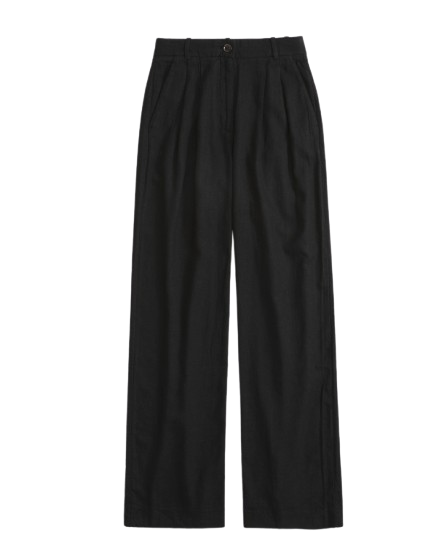
The workplace integration of soccer jerseys relies on strategic styling choices that elevate athletic pieces into professional territory. A butter yellow cropped Puma jersey paired with belted black trousers and sleek Adidas Taekwondo sneakers creates office-appropriate looks without sacrificing the sporty aesthetic.
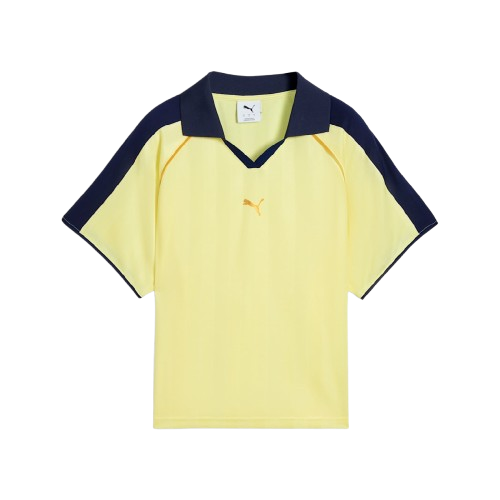
The key lies in balancing casual jersey elements with structured pieces. Tailored trousers, blazers, and refined footwear create contrast that makes athletic tops feel intentional rather than accidental. This approach works particularly well in creative industries and casual office environments where dress codes allow personal expression.
Professional styling also benefits from jersey fit selection – cropped versions work better with high-waisted bottoms, while oversized jerseys can be tucked or knotted for a more polished silhouette. The color palette matters too, with neutral tones integrating more easily into business casual wardrobes than bright team colors.
Retailers now stock jersey-style tops designed specifically for everyday wear, removing team logos while maintaining the distinctive collar and fit that defines the soccer aesthetic. These pieces bridge the gap between athletic inspiration and mainstream fashion, offering the jersey look without requiring sports allegiance or World Cup viewing party attendance.