





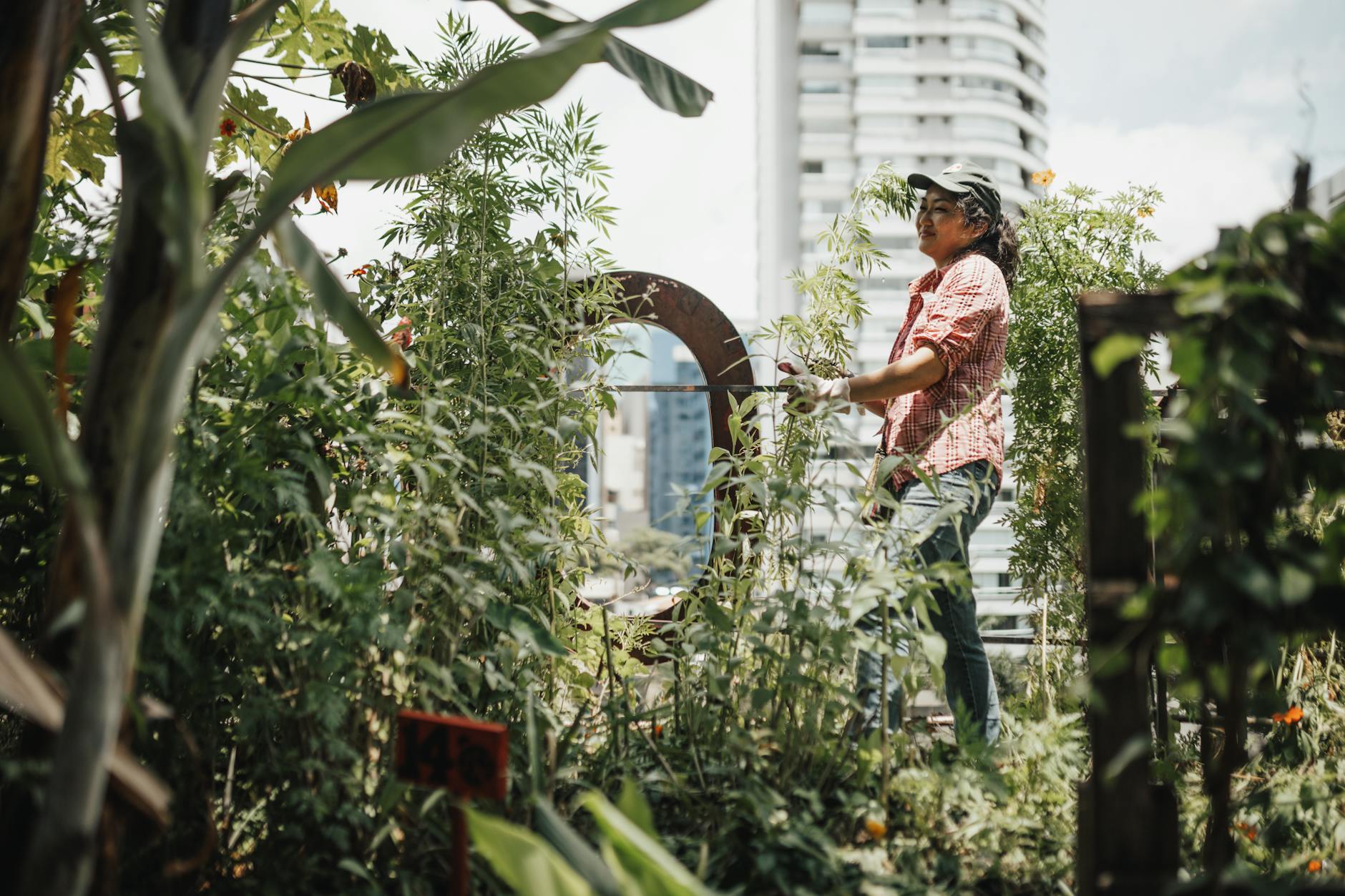
The soil under Sarah Chen’s fingernails tells a different story than her pristine LinkedIn profile suggests. By day, she’s a data analyst at a Fortune 500 company in downtown Seattle. By weekend, she tends tomatoes and basil in Plot 47B at the Belltown Community Garden, where she waited eighteen months to secure her 4×8 foot slice of urban paradise.
Chen isn’t alone in trading her keyboard for a trowel. Community gardens across major cities report unprecedented waitlists, with some spots taking up to three years to obtain. In New York City, over 2,800 people are currently waiting for garden plots. San Francisco’s community garden waiting list has grown 40% since 2020, while Chicago reports similar surges in applications from working professionals.
This isn’t your grandmother’s victory garden movement. Today’s urban gardeners are millennials and Gen Z professionals seeking something their corner offices can’t provide: authentic connection to their food, their neighbors, and themselves.
The Mental Health Garden Revolution
Dr. Marcus Williams, a psychiatrist at UCLA Medical Center, has watched this trend develop among his patients with keen interest. “We’re seeing urban professionals who are incredibly successful but feel disconnected from anything tangible,” he explains. “Growing food provides immediate, visible results that contrast sharply with abstract knowledge work.”
The science supports this observation. A 2022 study published in the Journal of Environmental Psychology found that gardening activities reduced cortisol levels by an average of 11% among urban workers. Participants reported improved mood, better sleep quality, and increased sense of personal accomplishment.
Marketing executive Jessica Rodriguez discovered this firsthand after joining the Roosevelt Island Community Garden in New York. “After spending all day optimizing conversion rates for products I don’t use, there’s something deeply satisfying about growing actual food,” she says. “When I harvest peppers I planted from seed, it feels more real than any campaign I’ve launched.”
The physical act of gardening provides what psychologists call “grounding” – literal contact with earth that many urban dwellers lack. Research shows that soil bacteria Mycobacterium vaccae acts as a natural antidepressant when absorbed through skin contact or inhalation, potentially explaining the mood benefits gardeners report.
Community gardens also offer structured social interaction without the pressure of networking events or dating apps. Plot neighbors naturally collaborate, share tools, and exchange growing tips, creating organic relationships built around common goals rather than professional advancement.
Food Security Meets Food Quality
Beyond mental wellness, urban professionals are joining garden waitlists for practical reasons. Rising grocery costs have made homegrown produce economically attractive, while concerns about pesticide residues and food miles drive interest in local, organic alternatives.
Software engineer David Park calculated that his $85 annual plot fee at the Sunset Community Garden in San Francisco pays for itself with just two months of homegrown salad greens. “Organic lettuce costs $4-6 per container at the store,” he notes. “I can harvest fresh greens for dinner every night from May through October.”
The quality difference is immediate and obvious. Garden-fresh tomatoes taste nothing like their supermarket counterparts, which are bred for shipping durability rather than flavor. Many gardeners report eating vegetables they previously disliked simply because homegrown versions taste significantly better.
This trend intersects with the broader movement away from processed convenience foods. While meal kit services are replacing traditional grocery shopping for many urban professionals, community gardening represents the opposite extreme – maximum involvement in food production.
Climate change concerns also motivate garden participation. Transportation accounts for roughly 11% of food-related greenhouse gas emissions, making hyperlocal food production an environmental statement. Urban gardens also contribute to biodiversity, stormwater management, and urban heat island reduction.
The New Status Symbol
Community garden plots have become an unexpected form of social capital among urban professionals. Instagram feeds filled with heirloom tomatoes and hand-harvested herbs signal authenticity and groundedness in ways that luxury purchases cannot.
“Having a garden plot shows you’re invested in your community long-term,” observes social anthropologist Dr. Rebecca Martinez at Columbia University. “It’s a commitment that demonstrates different values than typical urban lifestyle markers.”
The waiting lists themselves have created exclusivity that appeals to achievement-oriented professionals. Landing a coveted plot feels like acceptance to an elite club, complete with insider knowledge about soil amendments and companion planting.
This status extends beyond social media. Tech companies increasingly offer corporate garden plots as employee benefits, recognizing that access to green space and food production appeals to talent they want to attract and retain. Google’s Mountain View campus includes extensive employee gardens, while Amazon’s Seattle headquarters features rooftop growing spaces.
The community aspect provides networking opportunities that feel more authentic than industry mixers. Lawyers chat with teachers over shared compost bins, while architects collaborate with graphic designers on plot design. These connections often lead to unexpected professional opportunities and friendships that transcend workplace boundaries.
Some gardens have evolved into sophisticated operations with tool libraries, seed exchanges, and educational programming. The Battery Urban Farm in New York offers composting workshops, beekeeping classes, and seasonal preservation techniques – skills that urban professionals often lack but increasingly value.
Practical Challenges and Creative Solutions
Despite the benefits, community gardening presents real challenges for busy professionals. Most plots require consistent watering, weeding, and harvesting that doesn’t align with travel schedules or 60-hour work weeks.
Plot-sharing has emerged as one solution. Marketing manager Lisa Thompson splits her Boston garden plot with a teacher whose summer schedule complements her business travel. “She handles July and August when I’m traveling for conferences, and I take over during the school year when she’s busy,” Thompson explains.
Technology helps bridge the gap between professional demands and garden maintenance. Smart irrigation systems, weather monitoring apps, and plant-care reminders help gardeners manage plots remotely. Some gardens now offer plot maintenance services, similar to professional plant caretakers for frequent travelers, though purists argue this defeats the hands-on purpose.
Urban gardens also face structural challenges including limited space, soil contamination concerns, and political pressures as city land becomes increasingly valuable. Many operate on temporary permits that create uncertainty for long-term planning.
Weather unpredictability, exacerbated by climate change, tests even experienced gardeners. Late frosts, unexpected droughts, and severe storms can wipe out entire growing seasons, frustrating professionals accustomed to controlling their environment.
Growing Into the Future
The community garden movement shows no signs of slowing. Urban planners increasingly recognize gardens as essential infrastructure that provides multiple benefits beyond food production. Cities like Detroit, Portland, and Philadelphia have integrated community gardens into official urban development plans.
Younger professionals entering the workforce express even stronger interest in local food systems and community engagement than their predecessors. For Generation Z workers who grew up with climate anxiety and social media burnout, digging in actual dirt offers therapeutic contrast to digital existence.
Corporate support continues expanding as companies recognize employee wellness benefits. Some organizations now consider proximity to community gardens when selecting office locations, while others sponsor garden plots as team-building initiatives.
The waitlists themselves may drive innovation in urban agriculture. Vertical growing systems, rooftop gardens, and hydroponic installations offer alternatives for professionals unwilling to wait years for traditional plots. Meanwhile, suburban communities are developing garden programs to attract urban transplants seeking green space and community connection.
As urban populations continue growing and climate concerns intensify, community gardens represent more than hobby spaces. They’re laboratories for sustainable living, mental health resources, and social infrastructure that builds resilient communities. For professionals tired of abstract work and digital relationships, getting their hands dirty offers something increasingly rare: authentic connection to food, neighbors, and the natural world that sustains us all.
Frequently Asked Questions
How long are community garden waitlists in major cities?
Waitlists typically range from 18 months to 3 years, with some popular urban gardens having over 2,800 people waiting for plots.
What are the main benefits professionals get from community gardening?
Mental health improvements, stress reduction, food cost savings, social connections, and authentic connection to food production.