





Twenty-eight-year-old marketing manager Sarah Chen moved apartments three times in two years. Each move meant hauling a bulky sectional sofa, wrestling with a disassembled bed frame, and paying hundreds in moving fees. After her latest relocation to San Francisco, she discovered Fernish, a furniture subscription service. Now she pays monthly for sleek, modern pieces that get swapped out whenever she wants a change or needs to move.
Chen represents a growing segment of millennials who are ditching traditional furniture ownership for subscription models. Companies like Fernish, Feather, and Rent the Runway Home have capitalized on this shift, offering everything from West Elm sofas to Herman Miller office chairs for monthly fees. The furniture rental market, valued at over $2 billion globally, has seen explosive growth since 2020, with millennials comprising roughly 70% of subscribers.
This trend reflects broader changes in how younger generations view ownership, mobility, and financial priorities. Rather than sinking thousands into furniture they might outgrow or abandon during moves, millennials are embracing access over ownership-a philosophy that’s reshaping entire industries.
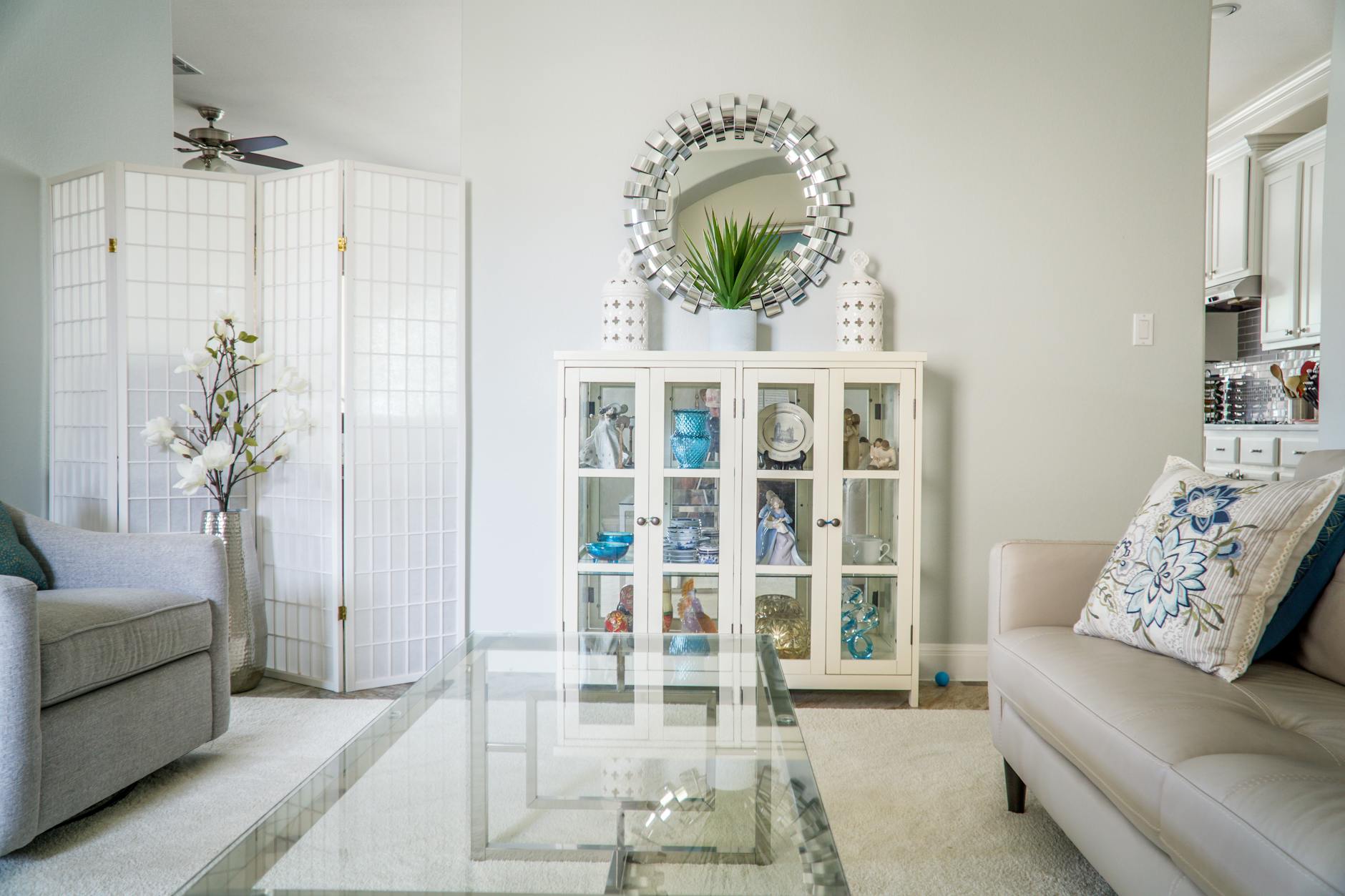
The Economics of Never Settling Down
Traditional furniture shopping assumes stability. You buy a dining table expecting to use it for years, maybe decades. But millennials move frequently-the average millennial relocates 5.8 times between ages 25-35, compared to 2.4 times for baby boomers at the same age. Each move with owned furniture costs an average of $1,200 in professional moving services, not counting the hassle and potential damage.
Furniture subscriptions eliminate these pain points. Feather charges $79 monthly for a three-seat sofa that would cost $1,500 to buy outright. When subscribers move, the company handles pickup and delivery to the new location for a modest fee. If they want different pieces, they can swap items monthly. For millennials prioritizing experiences over possessions, this flexibility proves invaluable.
The financial appeal extends beyond moving costs. Many subscribers lack the upfront capital for quality furniture. A well-furnished one-bedroom apartment easily requires $8,000-$15,000 in furniture purchases. Subscription services let millennials access designer pieces for $200-$400 monthly, spreading costs over time while maintaining the option to upgrade or downgrade based on changing circumstances.
Companies also handle maintenance and repairs. When a subscriber’s coffee table gets scratched, they report it through an app and receive either professional repair service or a replacement. This service model appeals to busy professionals who lack time for furniture maintenance or don’t want the long-term responsibility.
The Psychology of Temporary Everything
Millennials grew up during economic instability-the dot-com crash, 9/11, the 2008 financial crisis, and now the pandemic. This backdrop fostered skepticism about traditional markers of adulthood like homeownership and permanent career paths. Furniture subscriptions align with these shifting values, offering flexibility in an uncertain world.
Social media has also influenced aesthetic preferences. Instagram and Pinterest expose users to constantly evolving design trends. Owning a $3,000 sectional for ten years feels limiting when exposed to new styles monthly. Subscription services cater to this desire for regular refreshing, allowing subscribers to experiment with different looks without major financial commitment.
The rise of remote work has complicated furniture needs further. Many millennials now require dedicated home office setups, joining the trend toward premium work-from-home furniture that includes standing desks as status symbols. But as companies recall workers to offices or hybrid schedules, furniture needs shift again. Subscriptions accommodate these changes seamlessly.
Environmental consciousness plays a role too. Manufacturing new furniture generates significant waste and carbon emissions. Subscription models promote circular economy principles-pieces get reused across multiple subscribers rather than ending up in landfills when owners tire of them. Companies refurbish returned items, extending product lifecycles and reducing environmental impact.

The Business Model Revolution
Furniture subscription companies have perfected logistics that seemed impossible a decade ago. Fernish operates warehouses in major metropolitan areas, employing teams that handle white-glove delivery, assembly, and pickup services. Their technology platforms track inventory across thousands of pieces, optimizing routes and predicting demand patterns.
The model works financially because furniture depreciates slowly. A $1,000 sofa might retain 60-70% of its value after two years of careful use. By rotating pieces among subscribers, companies generate revenue streams that often exceed the furniture’s original retail price. They’ve essentially created a sharing economy for home furnishings.
Quality control has become crucial. Companies partner with established furniture manufacturers rather than creating their own lines, ensuring pieces can withstand multiple users. They’ve developed detailed inspection protocols, professional cleaning services, and refurbishment programs. Some companies even offer subscribers the option to purchase pieces they particularly love at discounted rates.
Insurance and damage policies have evolved to balance subscriber flexibility with business sustainability. Most companies charge modest fees for normal wear but absorb costs for major damage, betting that most subscribers will treat rented furniture respectfully. This approach builds trust while protecting both parties.
Challenges and Market Evolution
The subscription furniture model faces several hurdles. Geographic limitations remain significant-most companies operate only in major metropolitan areas with dense populations needed to make delivery logistics economical. Rural and suburban millennials often lack access to these services.
Pricing can become problematic for long-term subscribers. Someone keeping the same furniture for three years might pay more in subscription fees than the purchase price. Companies address this through rent-to-own options and purchase discounts, but the economics favor frequent movers and style-conscious users over stable, long-term customers.
The model also assumes millennials will eventually want to own furniture. As subscribers mature, marry, and have children, their needs may shift toward ownership and customization. Companies are adapting by offering purchase pathways and family-friendly policies, but the core demographic may naturally age out of the service.

Competition has intensified as traditional retailers enter the space. West Elm launched a rental program, and other established brands are testing subscription models. This competition could drive down prices and improve services, but it also makes the market more crowded and potentially less profitable for pure-play subscription companies.
The furniture subscription trend reflects broader changes in how millennials approach major purchases and life decisions. As this generation prioritizes flexibility, experiences, and financial freedom over traditional ownership models, subscription services across multiple industries continue expanding. Furniture may have been an early adopter, but the principles-access over ownership, service over products-are reshaping everything from cars to clothing.
Whether this shift proves permanent or represents a temporary phase in millennial lifestyle evolution remains unclear. But for now, companies betting on millennial reluctance to commit to major purchases appear well-positioned for continued growth. As remote work persists and urban mobility remains high, the appeal of flexible, service-based furniture solutions seems likely to endure, fundamentally changing how we think about furnishing our homes.
Frequently Asked Questions
How much does furniture subscription cost compared to buying?
Monthly subscriptions typically cost $200-400 for a furnished apartment, compared to $8,000-15,000 upfront purchase costs.
What happens if I damage rented furniture?
Most companies cover normal wear and minor damage, charging modest fees for significant damage while handling repairs and replacements.