





HBO’s anthology series “The White Lotus” hit an unexpected snag during production of its fourth season when Parker Posey departed the Thailand shoot. The network confirmed that Posey’s role “did not align” on set, though specific details about the circumstances remain undisclosed.
The departure marks an unusual disruption for a series that has maintained relatively smooth productions across its previous three seasons.
Creator Mike White is already deep into filming the latest installment at the Four Seasons Resort Koh Samui in Thailand, with the remaining cast continuing work on what promises to be another darkly satirical exploration of wealth and privilege in an exotic locale.
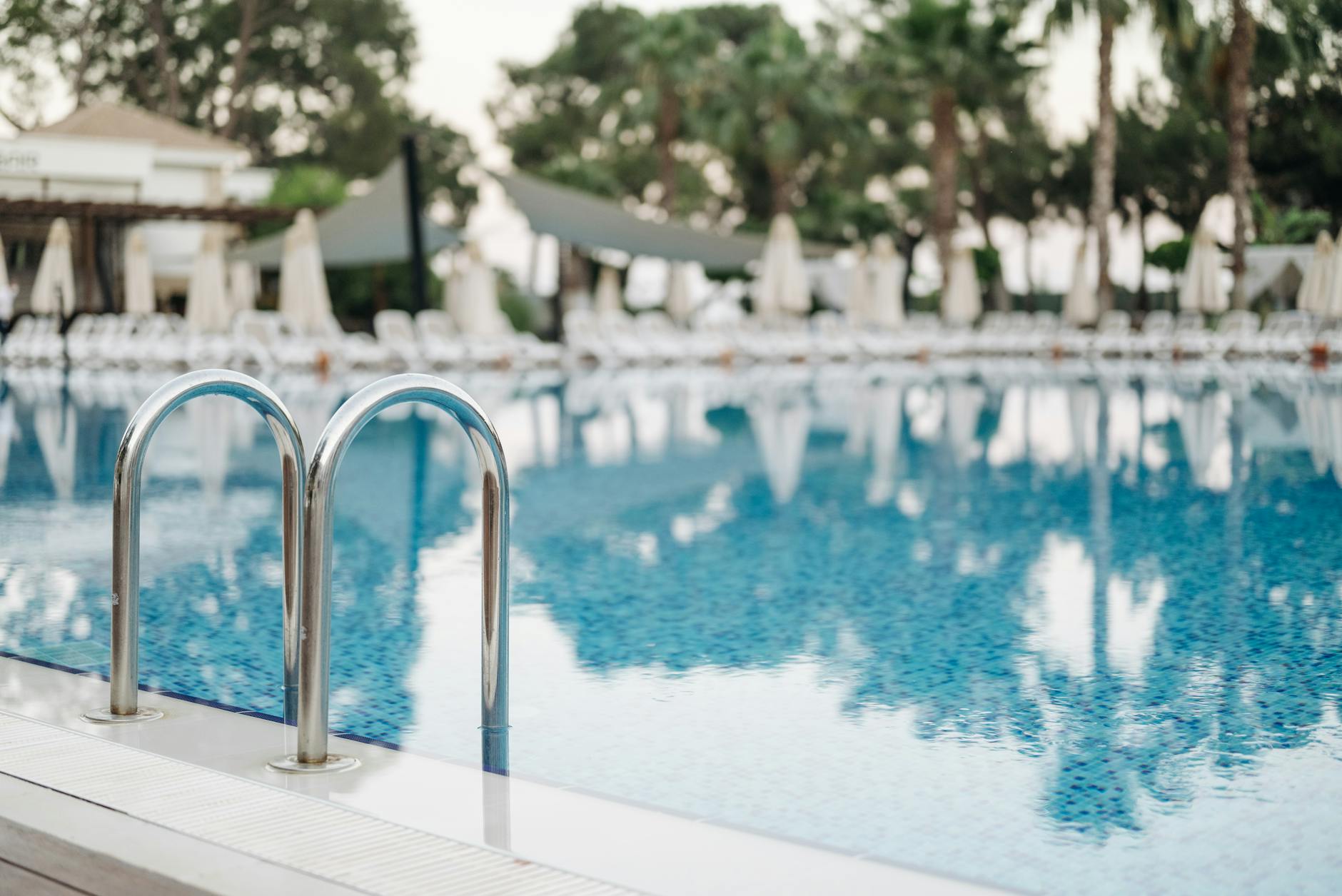
Thailand Setting Brings New Cultural Dynamics
The fourth season represents White’s most ambitious geographical leap yet, moving the action from Hawaii and Sicily to Southeast Asia. Thailand’s vibrant tourism industry and complex cultural landscape provide fresh material for the series’ signature blend of social commentary and murder mystery. The Four Seasons Resort Koh Samui offers the kind of luxury backdrop that has become synonymous with the franchise, complete with pristine beaches and opulent accommodations that will likely serve as both paradise and prison for the show’s affluent guests.
White has consistently used each location to examine different aspects of economic disparity and cultural collision. Hawaii explored American colonialism and class tensions, while Sicily delved into sexual liberation and generational wealth. Thailand introduces questions about Western tourism’s impact on local communities, sex tourism, and the complicated relationship between Eastern spirituality and Western consumption.
The production team spent months scouting locations across the country before settling on Koh Samui, drawn to its combination of natural beauty and established luxury tourism infrastructure. Local crews have been integrated into the production, bringing authentic cultural perspectives to a series known for its sharp observations about privilege and power.
Cast Shuffle Creates Production Uncertainty
Posey’s departure leaves questions about how significantly the scripts will need adjustment. The actress, known for her work in independent films and HBO’s “Lost in Space,” was expected to bring her distinctive comedic sensibilities to the ensemble cast. Her exit during active filming suggests the creative differences were substantial enough to warrant a complete character overhaul rather than minor script modifications.

The remaining cast includes several high-profile names, though HBO has maintained tight secrecy around specific roles and storylines. This level of confidentiality has become standard practice for the series, which relies heavily on surprise plot developments and the gradual revelation of character motivations. Each season typically features a ensemble of six to eight primary characters, with local actors filling supporting roles that often provide cultural context and social commentary.
Production schedules for prestige television rarely accommodate major cast changes mid-filming, making Posey’s departure particularly disruptive. The decision to continue filming rather than pause for recasting suggests either the character was relatively minor or White has developed workaround solutions that maintain the season’s narrative integrity. Industry observers note that such departures, while unusual, are not unprecedented in anthology series where character arcs are self-contained within individual seasons.
White Lotus Formula Faces New Challenges
The series has established a reliable formula across its three seasons: wealthy tourists arrive at a luxury resort, cultural and economic tensions simmer beneath the surface, and someone ends up dead by the finale. Each installment opens with the aftermath of violence before rewinding to show how paradise became a crime scene. This structure allows White to build suspense while delivering pointed social commentary about American wealth and entitlement abroad.
Thailand’s complex political and social landscape presents new opportunities for this formula. The country’s tourism industry depends heavily on Western visitors, creating inherent power dynamics that align perfectly with the series’ themes. Recent years have seen increased scrutiny of overtourism’s environmental and cultural impacts, particularly in Thailand’s most popular destinations.
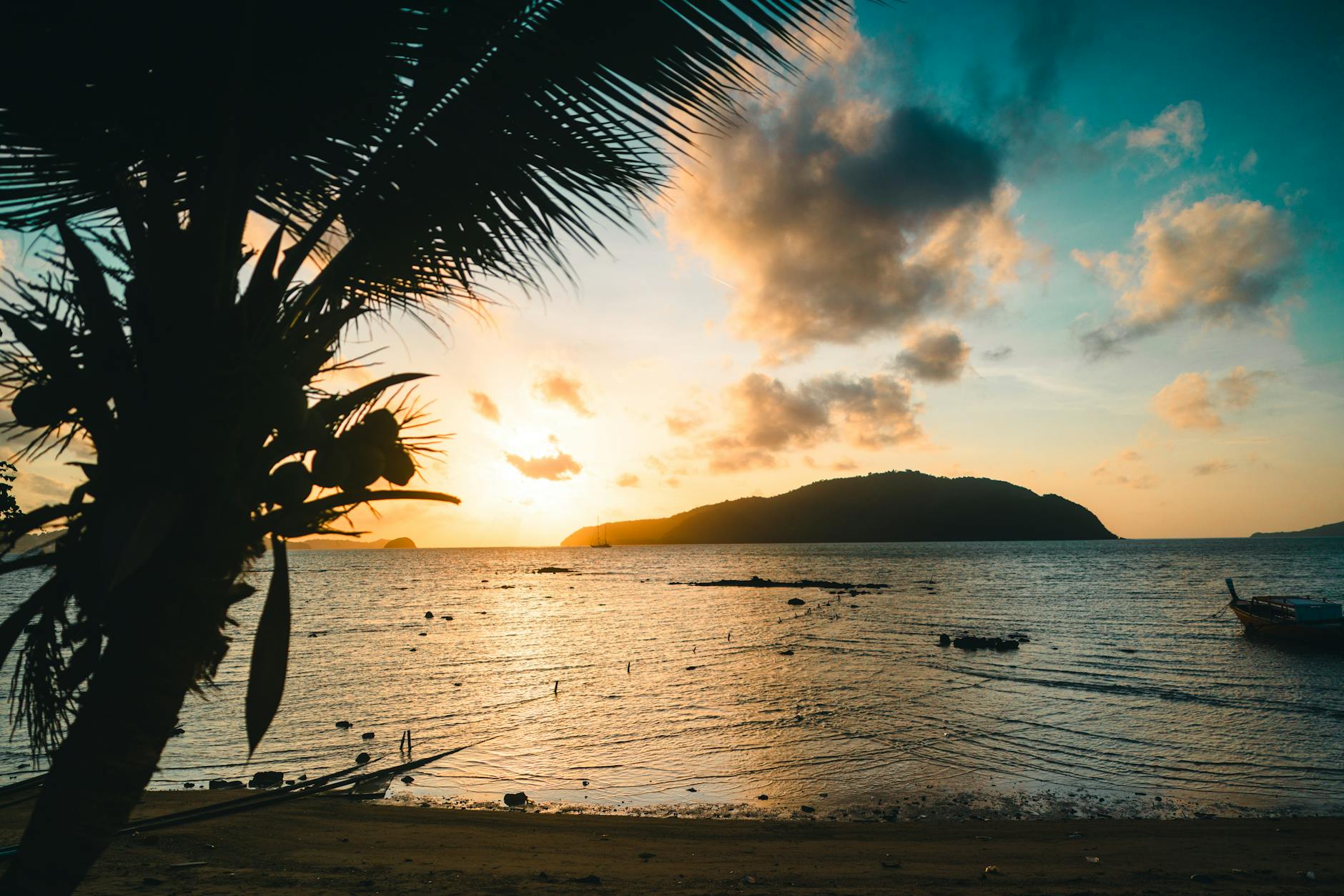
The production timeline remains unchanged despite Posey’s departure, with HBO targeting a 2025 premiere date. White has proven adept at weaving current events and cultural tensions into his storytelling, and Thailand’s ongoing negotiations between tradition and modernization provide rich material for exploration. The series has won multiple Emmy Awards for its previous seasons, creating high expectations for the Thailand installment to maintain the show’s critical acclaim and cultural relevance.
Whether this casting disruption signals deeper creative challenges or simply reflects the normal complications of international production filming remains to be seen, but White’s track record suggests he’ll find ways to turn obstacles into storytelling opportunities.