




Prince Harry fired back at suggestions that he’s abandoned his royal duties, delivering a pointed defense of his current role during recent public appearances. The Duke of Sussex made it clear he considers himself actively engaged in meaningful work, stating “I am here working doing the things that I was born to do.”
His comments address growing speculation about his status within the monarchy since stepping back from senior royal duties. Harry also reinforced his permanent connection to the family, confirming he will “always be a part of the royal family” despite the geographical and professional distance.
Defining Royal Work Beyond Palace Walls
Harry’s assertion challenges traditional definitions of what constitutes royal service. Since relocating to California with Meghan Markle, he’s maintained an active schedule of charitable engagements, mental health advocacy, and veteran support initiatives through their Archewell Foundation.
The prince’s work now spans multiple continents and causes, from the Invictus Games for wounded veterans to partnerships addressing global inequality. His recent statements suggest he views this independent path as fulfilling his royal calling rather than abandoning it.
Family Ties Amid Public Tensions
Despite ongoing tensions with certain family members, Harry’s declaration of permanent royal connection carries weight. The statement comes as reports continue circulating about strained relationships with his father King Charles III and brother Prince William. Public reconciliation attempts have been minimal, with brief encounters at major events like the Queen’s funeral remaining formal and distant.
His emphasis on being “born to do” this work references his unique position as a royal by birth, not appointment. Unlike married-in members who can theoretically step away completely, Harry’s blood connection to the throne creates a different dynamic. This biological reality shapes both his opportunities and obligations, regardless of his official duties.
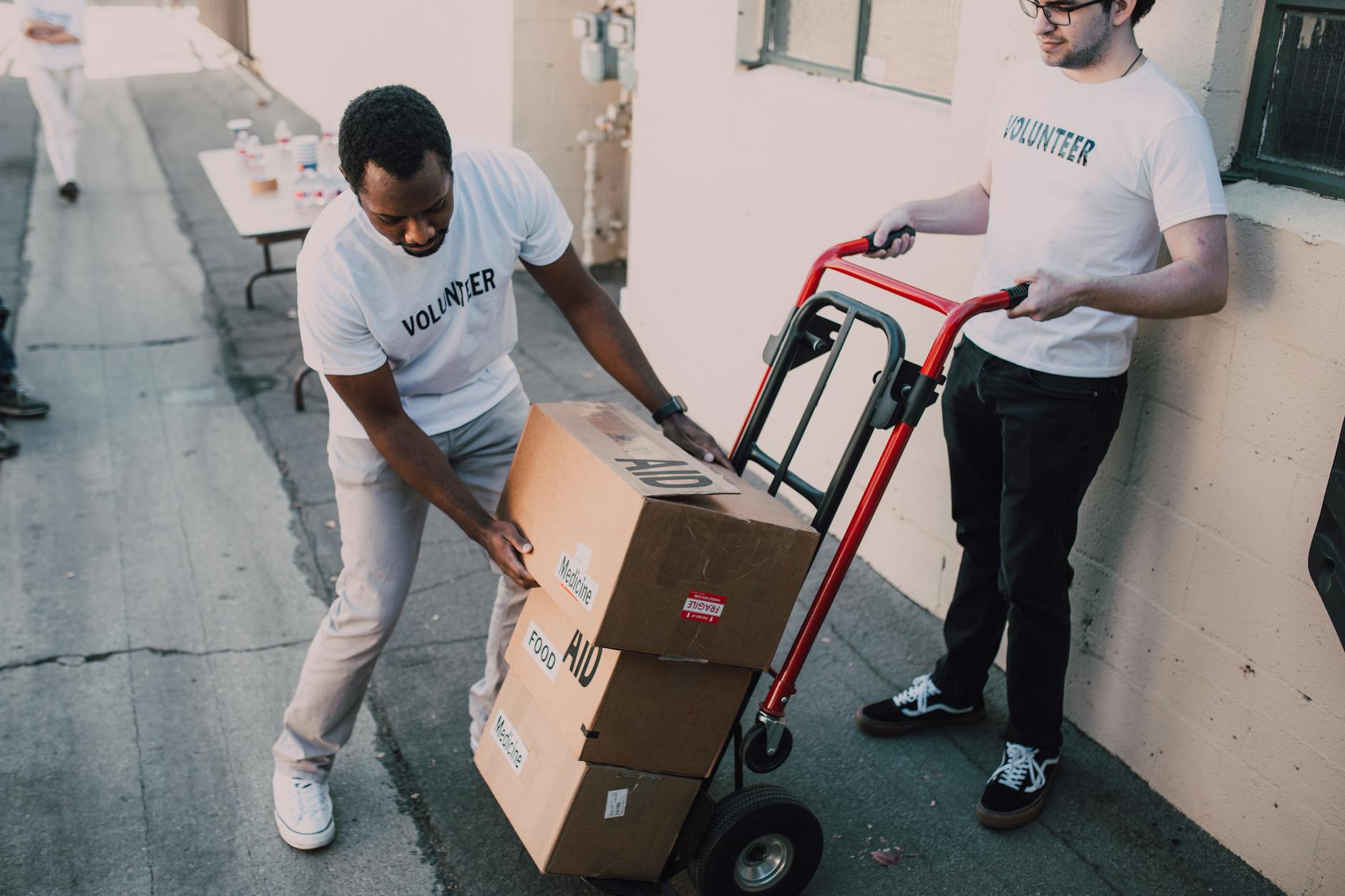
The duke’s phrasing also suggests he sees his current humanitarian efforts as natural extensions of royal service rather than departures from it. Traditional royal work often involves patronages, charity visits, and public service – elements that continue in his California-based activities. The primary difference lies in the absence of official palace coordination and British government involvement.
Critics have questioned whether private foundation work carries the same weight as state-sanctioned royal duties. Harry’s response indicates he draws no such distinction, viewing service itself as the defining characteristic rather than the institutional framework surrounding it. This perspective aligns with his mother Diana’s approach to charity work, which often operated beyond traditional royal constraints.
Public Perception and Media Narrative
The prince’s defensive tone reflects ongoing media coverage questioning his relevance and commitment. British tabloids frequently characterize him and Meghan as having abandoned their responsibilities for lucrative Hollywood deals. These narratives gained momentum following their Netflix series and Harry’s memoir revelations about family dysfunction.
His latest comments appear designed to counter suggestions that he’s prioritized celebrity over service. By framing his current activities as fulfilling his birthright purpose, Harry positions himself as committed to royal values while operating outside royal structures.
Future Royal Relations
The timing of Harry’s statements coincides with speculation about potential reconciliation opportunities. King Charles’s cancer diagnosis earlier this year prompted brief family contact, though substantial relationship repair remains elusive. Harry’s insistence on permanent family membership suggests hope for eventual healing, even if formal royal roles remain off the table.
His work continues generating international attention and support, particularly around veteran causes and mental health awareness. The Invictus Games, which he founded while still a working royal, represents his most successful independent venture and demonstrates how royal training translates to private initiative.
Whether the royal family will eventually acknowledge his independent service as legitimate royal work remains an open question. Harry’s recent comments suggest he’s stopped waiting for official validation, choosing instead to define his own version of royal duty. The real test may be whether the public – and history – accepts his interpretation of what it means to serve as a prince.