





The Unspoken Cost of Incarceration
Mother’s Day arrives every year with its predictable parade of flowers, brunches, and heartfelt cards. But for families touched by the criminal justice system, the second Sunday in May carries a different weight entirely.
The greeting card aisle doesn’t stock messages that bridge concrete walls and razor wire.
When someone gets sentenced to prison, the focus naturally falls on the individual facing time behind bars. The ripple effects on family relationships, particularly the bond between mothers and their incarcerated children, rarely make headlines. Yet these relationships endure some of the most complex emotional terrain imaginable, stretching across visiting rooms and collect calls, sustained by letters and memories of who someone was before their worst decision defined them.
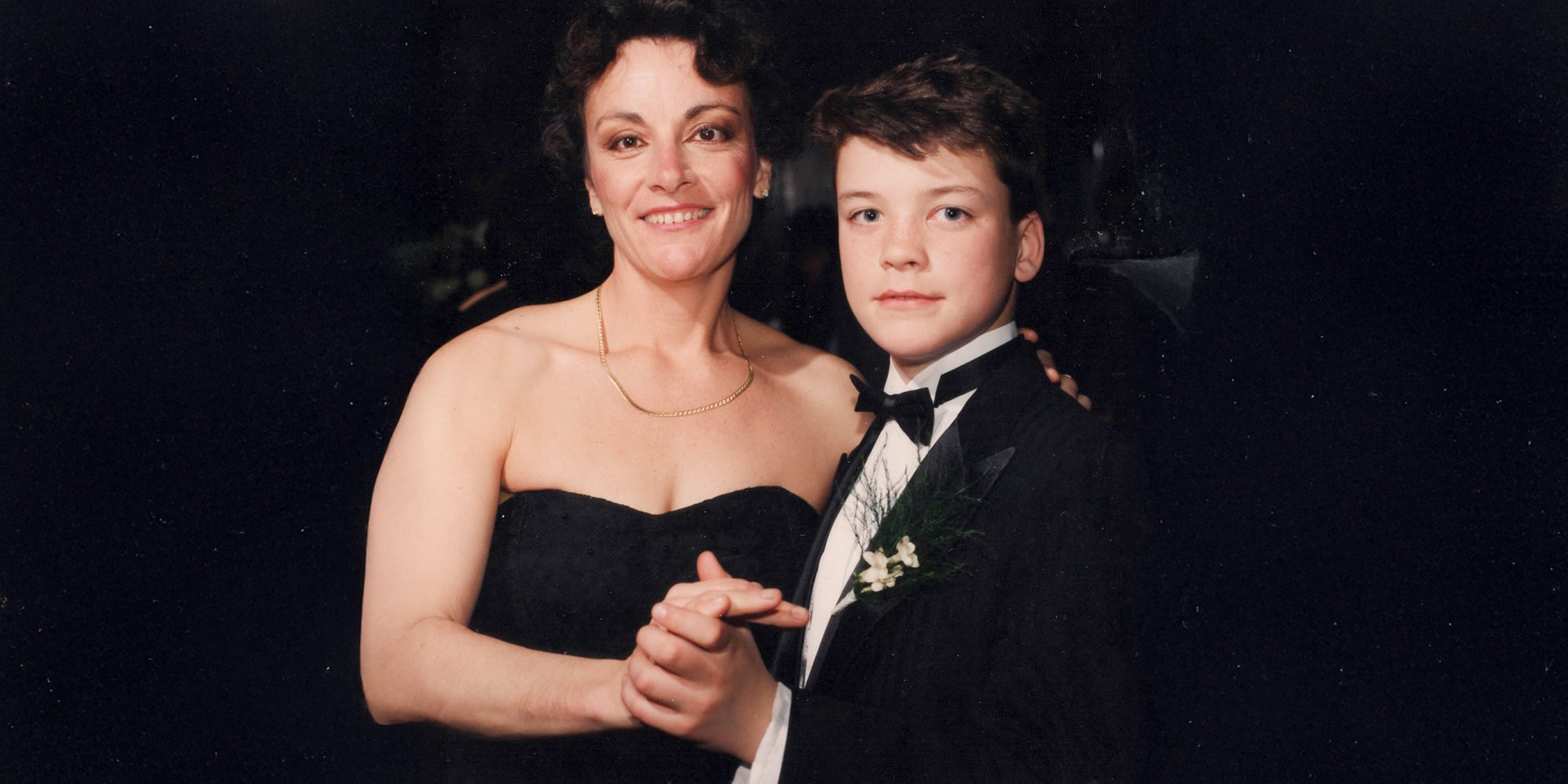
Reckoning With the Streets
Young people who find themselves “ripping and running the streets” – a phrase that captures the reckless momentum of street life – often operate under the illusion that consequences are abstract. The immediate thrill of flouting authority masks the long-term reality of what incarceration actually means for everyone left behind. Prison sentences don’t just remove individuals from society; they fracture the family structures that raised them.
The transition from freedom to confinement forces a harsh education in unintended victims. Mothers who raised children they’re now separated from by steel doors and institutional schedules. Phone conversations limited to fifteen-minute windows at predetermined times. Holiday visits conducted under fluorescent lights with guards watching nearby.
This reality hits hardest during milestone moments that families traditionally share. Birthdays become exercises in creative problem-solving – how do you celebrate someone’s life when you can’t be in the same room? Mother’s Day transforms from a celebration into a complex emotional negotiation between love, disappointment, and hope for something better on the other side of a sentence.

Letters From the Inside
The communication methods available to incarcerated individuals create their own unique intimacy. Letters written on prison stationery carry different emotional weight than text messages or casual phone calls. There’s something about putting pen to paper that forces reflection, making every word count when stamps are precious and mail delivery becomes the highlight of someone’s week.
These written exchanges often contain the most honest conversations that mothers and their incarcerated children have ever shared. The enforced distance strips away the casual deflections that might have characterized their relationship before. When you can’t storm out of a room or change the subject by turning on the television, real conversations finally happen. Apologies get written that might never have been spoken face-to-face.
Prison creates an unexpected space for emotional growth, even as it punishes with isolation. Some of the most profound mother-child relationships develop through commissary envelopes and visiting room embraces that last exactly as long as the guards allow. The artificial constraints force both sides to work harder at connection than they might have when it was taken for granted.
The Complicated Dance of Redemption
Mothers of incarcerated children navigate a particularly difficult emotional landscape. Society offers little sympathy for parents whose children have committed crimes, as if love should somehow evaporate in response to bad choices. The judgment extends beyond the individual to their family, creating isolation that compounds the original loss.

Yet these mothers often become the strongest advocates for second chances, not because they excuse criminal behavior but because they remember the person their child was before everything went wrong. They show up for visiting hours, accept collect calls that cost more per minute than most people spend on coffee, and maintain faith in rehabilitation when the system itself seems designed for permanent separation rather than eventual reunion.
The question that haunts every Mother’s Day card sent to someone behind bars isn’t about forgiveness or love – those endure regardless of circumstances. The real question is whether the punishment that was supposed to teach responsibility has actually created space for the kind of personal growth that makes redemption possible, or whether it has simply warehoused someone until their sentence runs out.