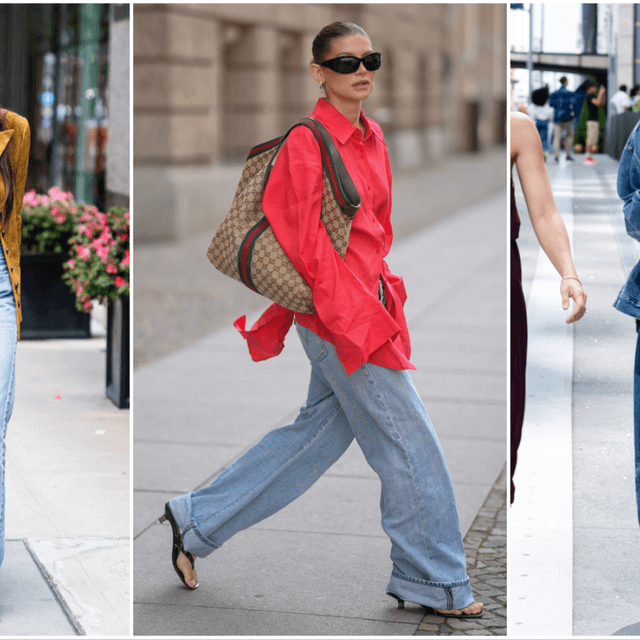





Borrowing style ideas from strangers on the internet is practically a hobby at this point. Doing the same thing with the friend sitting across from you at dinner – the one who will absolutely notice – is a different situation entirely, and fashion and psychology experts say the discomfort around it is worth examining.
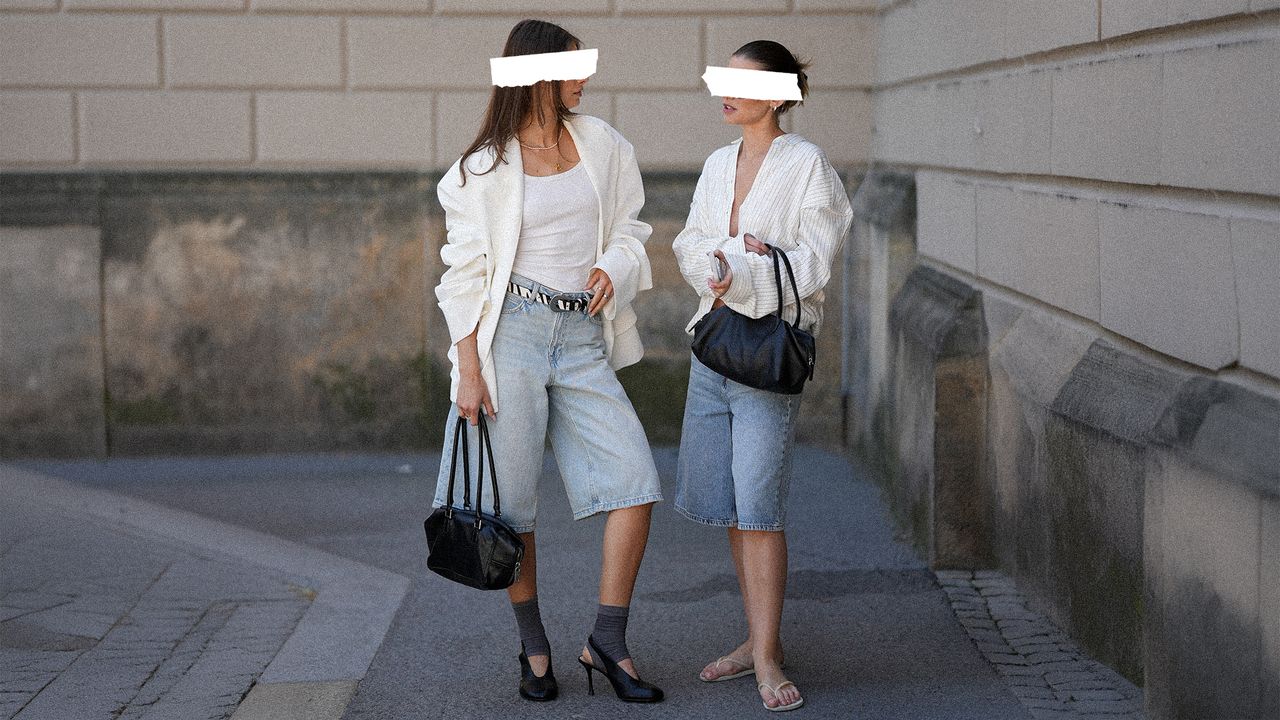
The Stranger Exception
There’s a reason nobody feels guilty pinning an outfit from someone they’ve never met. Distance creates a kind of anonymity that dissolves the social stakes. The person whose look you’ve reconstructed from a screenshot isn’t going to walk into your office on Monday wearing the same thing, and they’re never going to clock the fact that you bought the same boots.
Close friendships don’t come with that buffer. When you and your friend share physical space regularly – the same brunch spots, the same group chats, the same social circles – style choices become visible in a way that a curated Instagram feed simply isn’t. What reads as flattery in theory can land as something stranger in practice, especially when the person being imitated starts to feel like their aesthetic is being absorbed rather than admired.
Fashion experts distinguish between two distinct behaviors that often get collapsed into the same conversation: inspiration, which involves taking an idea and filtering it through your own sensibility, and imitation, which is closer to replication. The first is how personal style has always evolved. The second is where things get socially awkward.
Psychology adds another layer. Identity is partly expressed through appearance, and when someone feels that their particular way of presenting themselves is being mirrored too closely, it can register as a small but real threat to their sense of individuality – even if the person doing the copying had no intention of triggering that response.
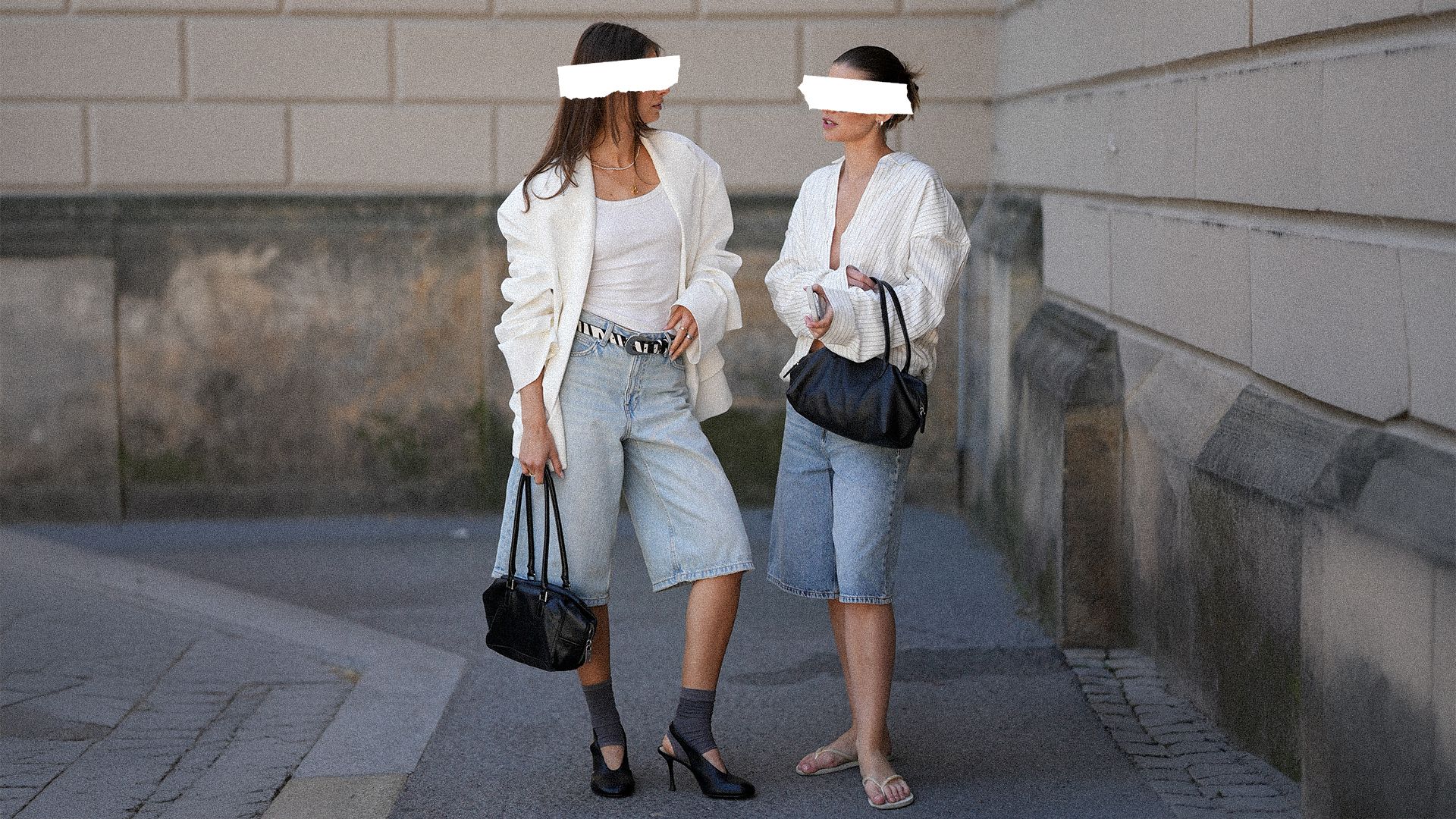
What Actually Makes It Uncomfortable
The discomfort doesn’t usually come from a single purchase. It builds gradually – one similar jacket, then the same shade of lip product, then a nearly identical bag. At some point, the stylish friend starts doing the mental math and arrives at a conclusion that feels hard to say out loud: she’s copying me. By then, the pattern is established enough that raising it feels either paranoid or confrontational, so it mostly just sits there, quietly changing the dynamic.
What psychology experts point to is the gap between intent and impact. The person borrowing the look is almost never trying to erase their friend’s identity. More often, they genuinely admire the aesthetic and want access to the confidence it seems to project. Admiration is the engine. But the person on the receiving end isn’t experiencing admiration – they’re experiencing something that feels like substitution, as though their style choices are being lifted out from under them.
There’s also a status dimension that fashion experts are direct about. Within a friend group, style can function as a kind of social currency. Someone who is known for dressing a particular way holds a specific position – the edgy one, the minimalist, the maximalist. When that position starts to feel shared or replicated, it’s not just an aesthetic concern. It’s a social one. The person who built that identity over years, through actual trial and error and money spent, is watching someone else arrive at the same destination faster.
Timing matters, too. Wearing the same silhouette as a stranger you spotted three months ago on a street-style account carries no social weight. Showing up in an outfit that looks like a direct lift from what your friend wore to last month’s birthday dinner is a different calculation – one that the friend is going to make, whether or not she says anything.
None of this means the behavior is malicious. Fashion and psychology experts are consistent on that point. Most people who find themselves gradually dressing like a close friend are doing so because proximity to someone whose style they admire is one of the most natural vectors for aesthetic influence. You spend time with them. You absorb things. You start buying in a similar direction without fully tracking that you’re doing it. The problem isn’t intention – it’s the lack of awareness about how the accumulation reads from the outside.
Where Admiration Ends and Something Else Begins
The line, according to both fashion and psychology experts, is roughly this: inspiration leaves room for your own interpretation, and imitation doesn’t. Buying a similar style of trouser because your friend wears them and you finally understand why they work – that’s influence, and it’s how most people develop taste. Buying the exact trouser, in the same color, and wearing it to the same places – that’s where the social contract starts to strain.
There’s a version of this that actually works. Some close friends develop a shared aesthetic over time, deliberately and with mutual awareness, the way people in long relationships start finishing each other’s sentences. The difference between that and uncomfortable imitation is usually consent and reciprocity – both people are shaping each other’s style, and both people know it. Finding pieces that genuinely suit your own sensibility, rather than reverse-engineering someone else’s wardrobe, tends to produce a more stable foundation for that kind of evolution. The question worth sitting with isn’t whether your friend will notice. It’s whether what you’re reaching for actually belongs to you – or whether it belongs to the version of yourself that you see reflected in her.