





A federal court’s decision to block Virginia’s redrawn congressional map has delivered another blow to Democratic hopes of gaining electoral advantages through redistricting. The ruling strikes down boundaries that would have favored Democratic candidates in the state’s competitive districts.
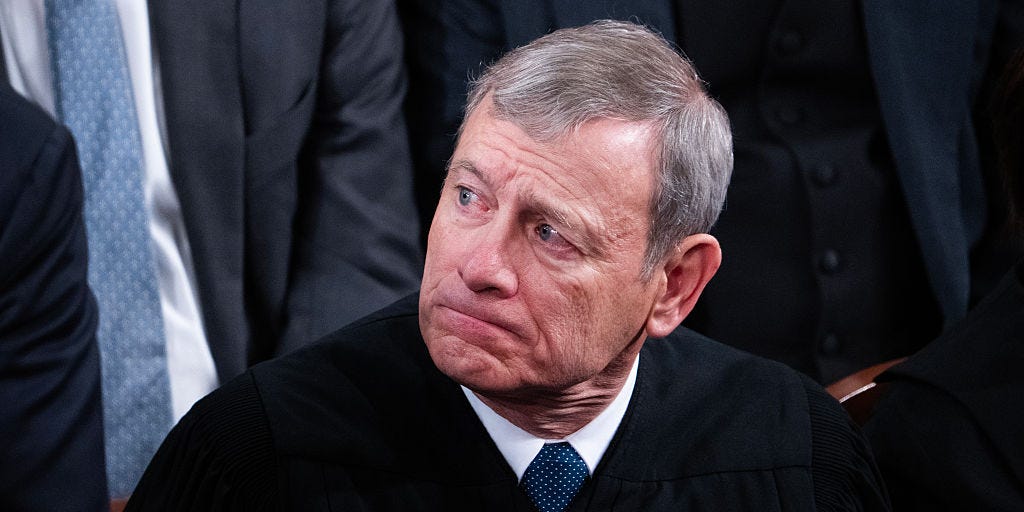
Chief Justice John Roberts likely views this development with satisfaction, given his long-standing opposition to partisan gerrymandering regardless of which party benefits. The Virginia decision adds to a pattern of courts rejecting overtly political map-drawing across the country.
Legal Challenges Mount Against Partisan Maps
The blocked Virginia redistricting represents part of a broader judicial pushback against aggressive gerrymandering attempts. Courts have increasingly scrutinized maps that appear designed primarily to benefit one political party over competitive representation.
Virginia’s proposed boundaries would have consolidated Democratic voters into fewer districts while spreading Republican voters more thinly across others. This strategy, known as “packing and cracking,” has become a standard tool in modern redistricting battles. The court found these manipulations violated principles of fair representation.
Similar challenges are pending in multiple states where both parties have attempted to maximize their electoral advantages. North Carolina, Florida, and New York have all faced legal scrutiny over their redistricting processes in recent cycles. The Virginia ruling suggests courts maintain appetite for policing the most egregious examples of partisan line-drawing, even as they’ve retreated from broader gerrymandering oversight.

Roberts’ Redistricting Philosophy Takes Hold
The Chief Justice’s influence appears evident in how lower courts approach these cases. Roberts has consistently argued that while political considerations in redistricting are inevitable, courts should intervene only when partisan manipulation becomes extreme.
His position has gained traction among federal judges who previously showed more deference to state redistricting decisions. The Virginia ruling reflects this shift toward case-by-case evaluation rather than blanket approval of political gerrymandering.
Democratic Strategy Faces Systematic Obstacles
The Virginia setback highlights broader problems with Democratic redistricting efforts nationwide. While Republicans have successfully implemented favorable maps in states like Florida and Texas, Democratic attempts have faced more consistent judicial interference.
Part of this disparity stems from different strategic approaches. Republican mapmakers have generally focused on modest but durable advantages that avoid triggering court intervention. Democratic efforts have often pursued more aggressive gains that attract legal challenges.
The timing also works against Democrats. Many of their redistricting victories occurred early in the current cycle, giving opponents more time to mount court challenges before elections. Republican maps implemented closer to election deadlines have proven harder to overturn due to practical constraints.
Geographic factors compound these challenges. Democratic voters concentrate heavily in urban areas, making it difficult to draw competitive districts without obvious gerrymandering. Republican voters spread more evenly across suburban and rural areas, allowing for more natural-looking boundaries that still favor their candidates.

The Virginia decision leaves Democrats with fewer paths to offset Republican redistricting advantages in other states. With midterm elections approaching, the blocked map could cost the party crucial House seats in what promises to be a competitive national race.
