




Long Beach to Los Angeles, by Way of a Camera
Before Toni Bravo became the CEO of Blush and one of the most-followed beauty voices in Los Angeles, she was a kid in Long Beach pointing a camera at her family for no reason other than that she loved doing it. She was nine years old. There was no audience, no brand deal, no strategy – just a fraternal twin growing up in one of Southern California’s most culturally layered cities, figuring out how to frame the people she loved. That instinct toward intimacy, toward telling a story rather than selling one, is what eventually turned a blush try-on video into a business.
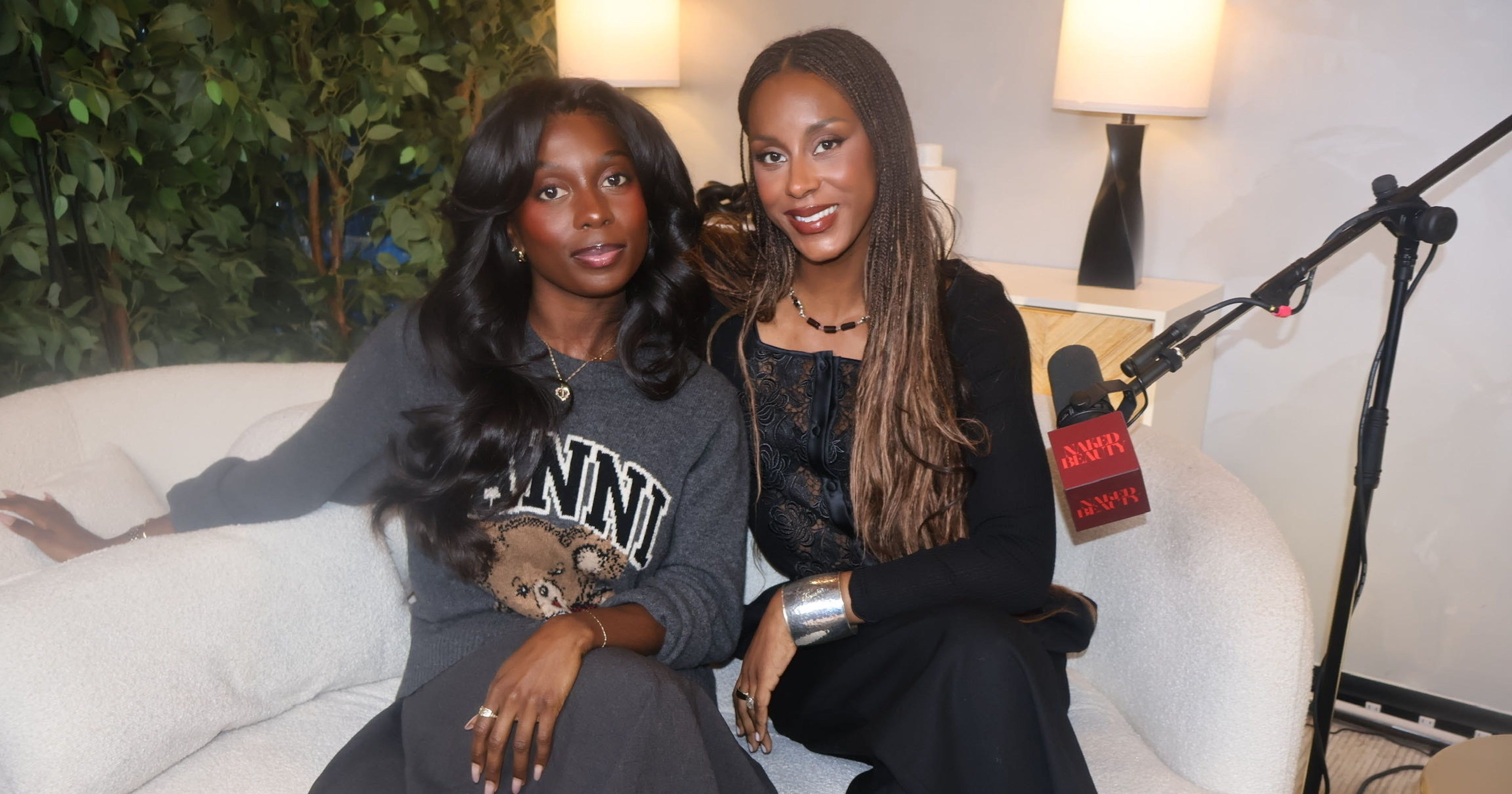
She talked through all of it on the Naked Beauty Podcast with host Brooke DeVard – the Long Beach childhood, the women who shaped how she understood beauty, and the specific tension that comes with building a career at the intersection of influence and honesty.
The blush video changed everything.
What Influence Actually Looks Like at Scale
Toni has built an audience that runs well into the millions, and she’s done it largely by refusing to soften her opinions about product efficacy. That’s a harder line to hold than it sounds. Full-time content creation at her level means maintaining active brand relationships – partnerships that pay, campaigns that require deliverables – while also being the person her audience trusts to tell them when something doesn’t work. She addressed this directly in the conversation with DeVard, walking through how she navigates those competing pressures without letting one collapse the other.
A significant part of her platform is advocacy for dark-skinned Black women’s access to high-quality beauty products. This isn’t a side note to her content – it’s the through-line. The beauty industry has a well-documented history of developing and marketing products that simply don’t perform on deeper skin tones, and Toni’s willingness to call that out publicly, by name, with specifics, is a direct extension of the self-trust she described as essential to doing this work at all. Her point of view isn’t a brand positioning exercise. It’s the thing that made her brand possible.
The women in her life in Long Beach shaped how she saw beauty in herself and the world early on. That foundation is visible in how she talks about products now – not as aspirational objects but as things that either do their job or don’t, and as things that either include you or exclude you by design.
Product Development, Home Design, and Not Limiting Herself
The podcast conversation also covered territory that goes beyond the feed. Toni spoke about her interest in product development – a natural extension for someone who has spent years evaluating what works and what’s missing from the market. She was explicit about not limiting herself, which, given the trajectory from Long Beach kid with a camera to CEO, reads less like ambition-speak and more like a documented pattern.
She also gave a product tour during the episode, moving through skincare, haircare, and blush – the category that started it all. For anyone tracking how beauty creators translate audience trust into something durable, the range of categories she covers is worth noting. It’s not random. Each segment of her content ties back to the same core: products that actually function, for people who have historically been afterthoughts in the development process.
The episode touched on her recent Architectural Digest feature as well. Toni walked through the intentional design choices behind her Los Angeles home – a space she described as genuinely hers, built with the same deliberateness she brings to everything else. The AD feature wasn’t incidental. It positioned her not just as a beauty creator but as someone with a full aesthetic vision that extends well beyond a product shelf. For creators building toward something like brand founder status, that kind of cultural visibility matters in ways that follower counts don’t fully capture.

The full episode with Brooke DeVard is available on the Naked Beauty Podcast – and Toni’s tour of her current product rotation alone is worth the runtime, particularly if you’ve ever watched a beauty recommendation land completely wrong on your skin tone and wondered whether that was always intentional.