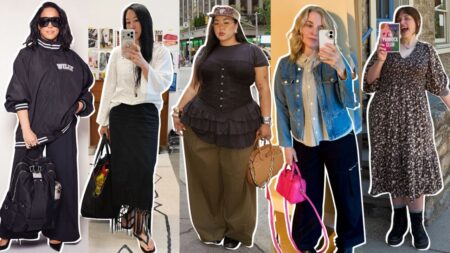
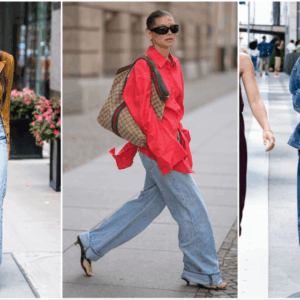




Fall’s athletic-coded dressing has a new complication: the windbreaker, long associated with trail runs and airport terminals, is now showing up beside lace shorts, kitten heels, and maxiskirts.
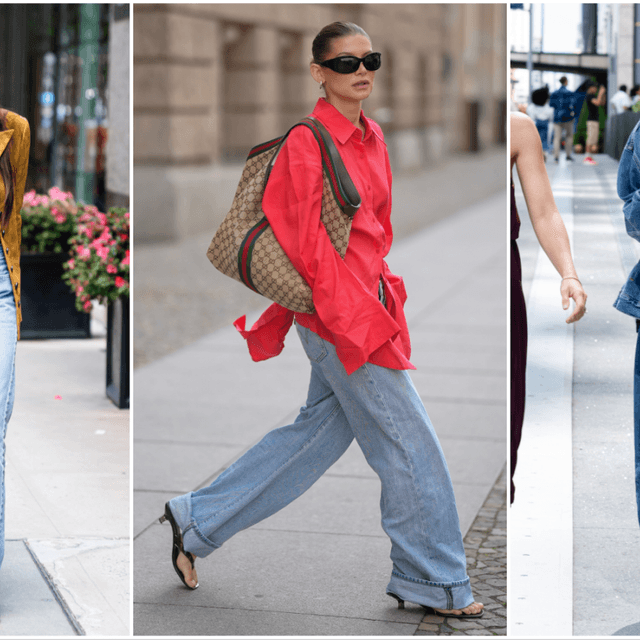
Technical Gear Crosses Into Fashion Territory
Something shifted this fall in how people are thinking about athletic-adjacent clothing. It’s not that windbreakers are new – they’ve lived in the back of closets and the front of sporting goods stores for decades – but the styling logic around them has changed in a way that makes them feel genuinely strange and interesting again.
The broader move toward technical, athletic-coded clothing has been building for a few seasons. Performance fabrics, utilitarian silhouettes, and gear-inspired details have been pulling fashion further away from traditional dressing-up conventions. The windbreaker is one of the cleaner expressions of that shift: lightweight, functional, often loud in color or logo placement, and stubbornly casual in origin.
What makes this fall different is the pairing logic. Windbreakers are being worn not with joggers or sneakers – the natural companions – but with pieces that carry entirely different social codes. Lace shorts read as lingerie-adjacent. Kitten heels carry a 1950s office-wear reference. Maxiskirts suggest either bohemian ease or formal occasion dressing, depending on the fabric. None of these belong in the same sentence as a water-resistant zip-up, which is exactly why the combination has traction.
Fashion has always moved by collision. The more mismatched the references, the more considered the result tends to look – provided the person wearing it commits to it fully. Dropping a windbreaker over a lace hemline works because one element is doing all the sportswear signaling while the other holds its ground. Neither piece softens itself for the other.
How the Pairings Actually Work
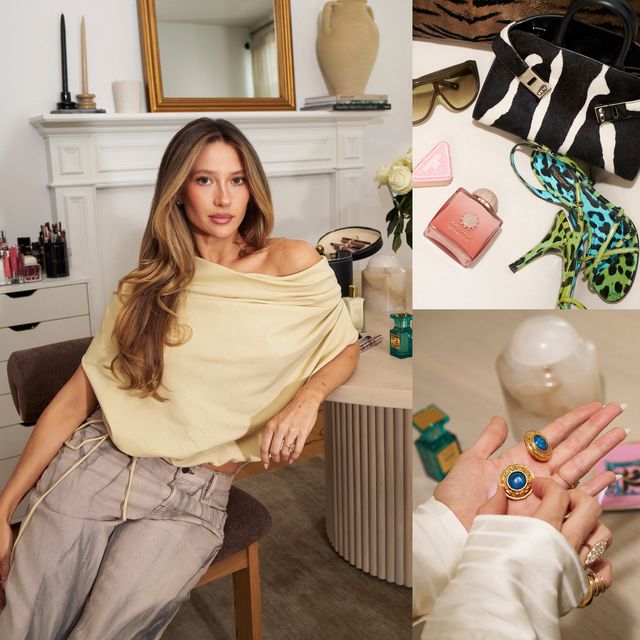
Start with the lace shorts combination, which is the most direct application of contrast dressing. Lace, at any length, pulls toward femininity and delicacy. A windbreaker – especially one in a primary color or with visible brand text – pulls hard in the opposite direction. Worn together, they create the kind of visual tension that registers as intentional rather than accidental, which is the entire game in street-level styling. The key is proportion: a longer windbreaker that hits mid-thigh will cover too much of the lace to let the contrast breathe.
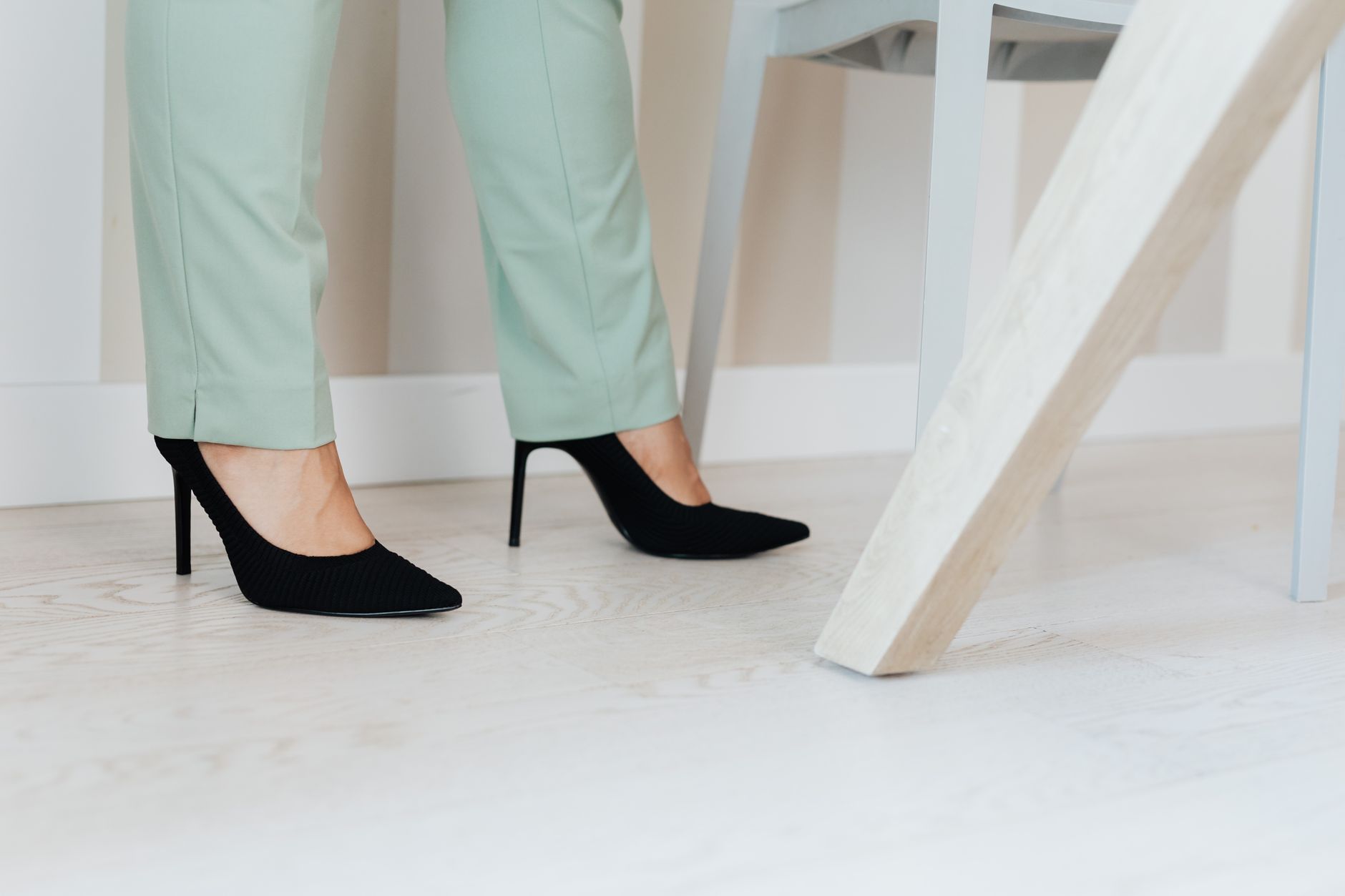
Kitten heels are an interesting case because they’ve been undergoing their own rehabilitation. Low-heeled, often pointed-toe, they spent years as the compromise shoe – neither flat nor high – before re-emerging as a deliberate reference point. Pairing them with a windbreaker accelerates that reclamation. The heel asserts that this is not a workout look and never was. It tells you something about the wearer’s relationship to dressing: that the athletic piece was chosen, not defaulted to.
Maxiskirts work differently. The length does a lot of the tonal work, grounding the outfit in something more relaxed and considered. A windbreaker over a flowing maxiskirt doesn’t read as jarring in the same way that kitten heels or lace shorts might – it reads more as layering logic, the kind of thing that makes sense on a day that starts cold and heats up by noon. The friction there is subtler: different fabric weights, different cultural associations, sharing the same silhouette.
The common thread across all three pairings is that the windbreaker is functioning as outerwear rather than as a statement piece in isolation. It’s not the focal point of any of these looks – it’s the layer that makes everything else more interesting by being slightly wrong for the company it’s keeping.
That “slightly wrong” quality is doing serious work in fashion right now. There’s been a gradual erosion of the idea that outfits should resolve neatly into a single reference or mood. Pieces that introduce tension – that make you look twice to figure out what category of dressing you’re looking at – are registering as more sophisticated than head-to-toe coherence. The windbreaker, in this context, isn’t an interloper. It’s the element that makes the whole thing worth a second look.
What to Actually Keep in Mind
Not every windbreaker translates equally. Thinner shells in solid colors or understated patterns tend to sit more neutrally against dressier pieces. Heavily logoed or color-blocked styles make the contrast more obvious – which isn’t a problem, but it does demand that the other pieces in the outfit are sturdy enough to hold their own against that visual noise.
Color is the variable most worth thinking about. A windbreaker in a shade that connects to something in the skirt or the shoes – even loosely – stops the outfit from looking like a random assembly of clothes. The athletic piece needs one thread back to the rest of the look, or the contrast tips into confusion rather than intention. That single point of connection is what separates styled from thrown together, and right now, that distinction is where all the interesting work is happening.