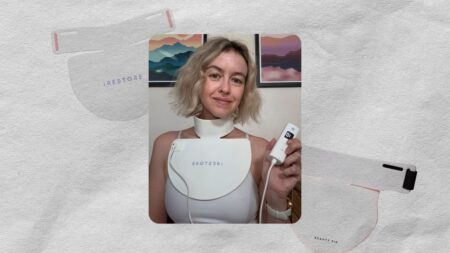





LED light therapy has exploded beyond spa treatments into living rooms across America. Beauty enthusiasts now treat professional-grade facial technology as casually as applying moisturizer, transforming skincare from a three-step routine into something that resembles science fiction.
The Science Behind Red and Blue Light Treatments
Dr. Jonathan Kentley explains that LED devices deploy specific wavelengths – red, near-infrared, and blue light – each targeting different skin concerns. Red and infrared light attack acne by zeroing in on oil-producing glands while eliminating acne-causing bacteria. The treatment simultaneously calms inflammation and accelerates the skin’s natural healing mechanisms.
Research demonstrates that red and infrared wavelengths activate cells responsible for collagen and elastin production. These proteins provide skin with its structural integrity and bounce-back quality. Blue LED light offers a different approach to acne treatment, penetrating easily into problem-causing bacteria.
The appeal extends beyond medical backing. User reviews consistently praise LED masks for diminishing fine lines, reducing acne scarring, and creating an overall luminous complexion. Amazon’s marketplace overflows with testimonials from customers documenting dramatic skin improvements after weeks of consistent use.
Professional facials require appointments, travel time, and significant expense per session. At-home LED masks eliminate these barriers while delivering similar technology. Users can multitask during treatments, watching television or reading while their skin absorbs therapeutic light.
CurrentBody’s Flexible Silicone Design Dominates
The CurrentBody Skin LED Light Therapy Face Mask Series 1 commands attention at $379.99, positioning itself as Amazon’s premium option. Its flexible silicone construction molds to facial contours without creating the suffocating sensation common in rigid alternatives. Heat buildup remains minimal even during extended sessions.

Weight distribution across the entire mask prevents pressure points that plague cheaper models. Users report comfort levels high enough to fall asleep mid-treatment – though manufacturers typically recommend staying alert during sessions. The silicone material wipes clean easily, addressing hygiene concerns that arise with shared or frequently used devices.
Beauty editors specifically highlight this mask’s adaptability to different face shapes. Unlike one-size-fits-all approaches that leave gaps around temples or jawlines, the flexible material maintains consistent skin contact. This design feature directly impacts treatment effectiveness, as light therapy requires proximity to work properly.
The device integrates multiple wavelengths in a single treatment cycle. Users don’t need separate sessions for different concerns – the mask addresses acne, aging, and general skin health simultaneously. Treatment duration varies by individual needs, typically ranging from 10 to 20 minutes per session.
Customer feedback reveals that results become noticeable after two to three weeks of regular use. Initial improvements often include reduced redness and smoother texture, with more dramatic changes appearing after extended consistent application. The investment pays dividends for users committed to long-term skincare goals rather than quick fixes.
Market Disruption in Personal Beauty Technology
Amazon’s LED mask selection reflects broader shifts in beauty consumption patterns. Consumers increasingly prefer owning professional-grade equipment rather than booking recurring appointments. The pandemic accelerated this trend, making at-home treatments not just convenient but necessary.
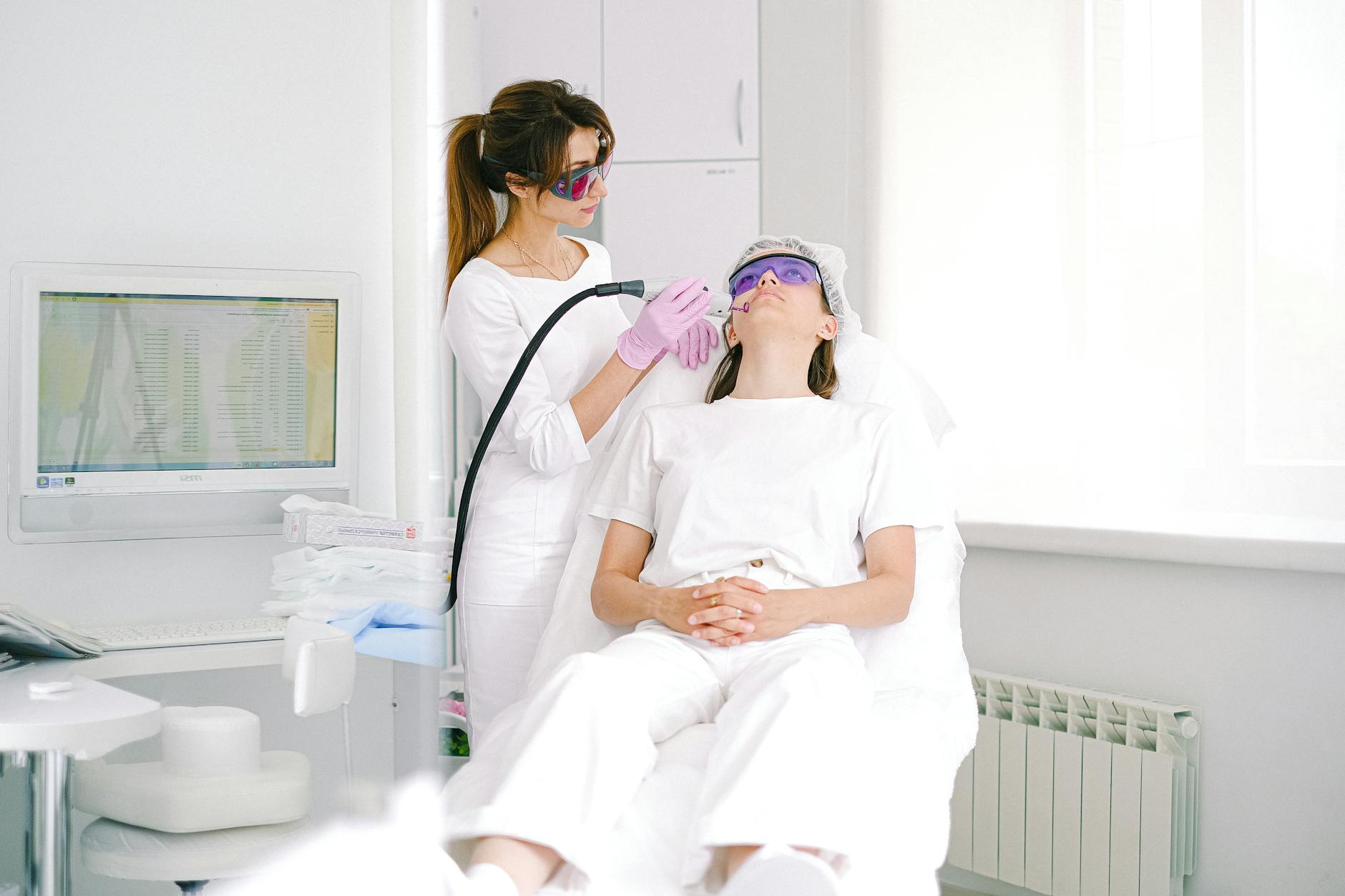
The R29 beauty team’s endorsements carry weight in an oversaturated market flooded with unproven devices. Their selections focus on masks that deliver measurable results rather than marketing promises. The CurrentBody device earns recommendation through performance rather than price point, signaling that effectiveness trumps affordability in this category.