



Most people have a strapless bra story, and it rarely ends well.
It usually goes like this: the dress is perfect, the venue is lovely, and somewhere between the first toast and the dessert course you are discreetly hauling your neckline upward in a hallway. Or the bra is fine for ninety minutes and then begins a slow, undignified descent. The garment gets blamed, then abandoned, then shoved to the back of a drawer, where it waits for the next wedding and the next round of regret.
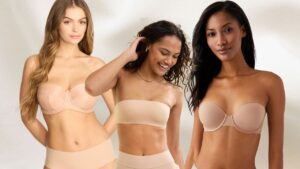
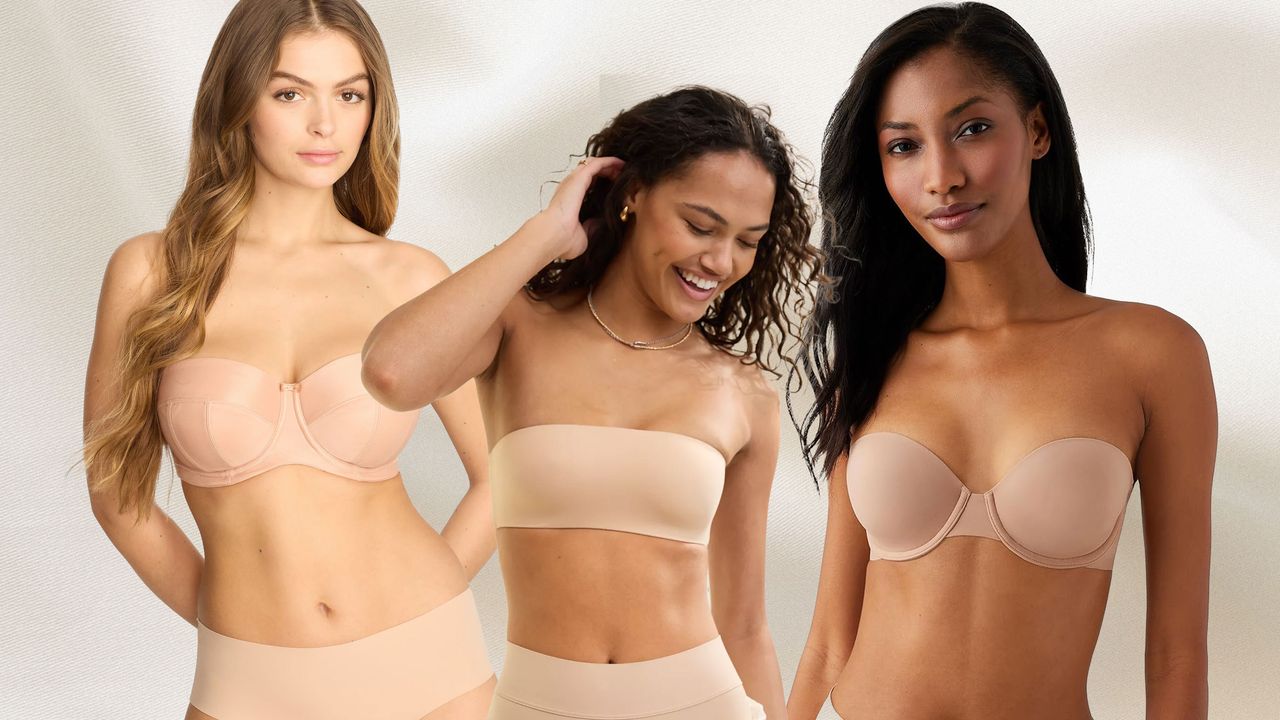
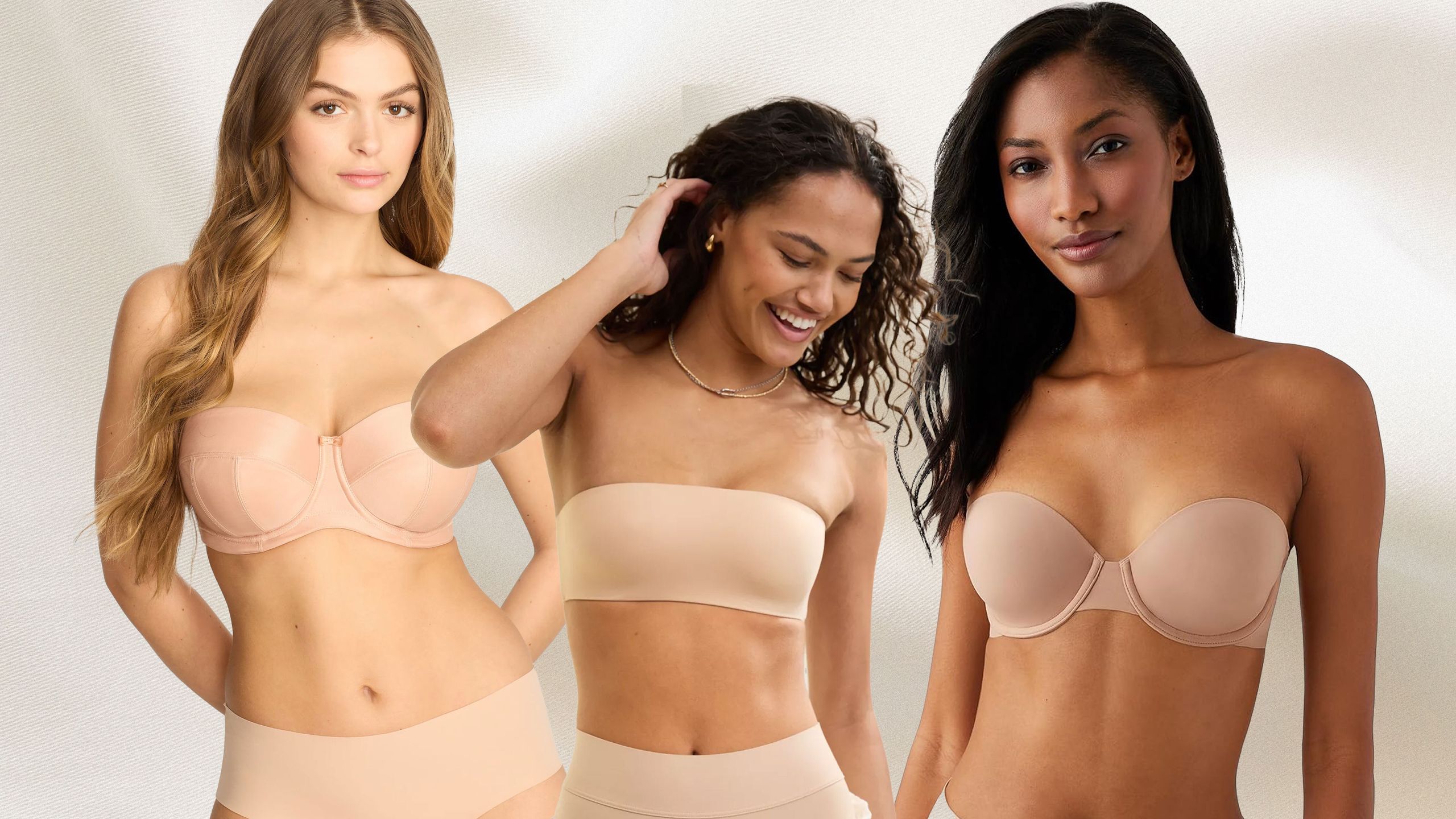
Glamour’s 2026 roundup of the five best strapless bras takes a flat position against that resignation. Its premise: “If you think they’re uncomfortable, you haven’t found the right one.” The picks are judged on the one test that matters, which is whether the bra stayed up after hours of wear.
Why a Ten-Minute Fitting Room Test Tells You Almost Nothing
The standard way of shopping for a strapless bra is to try it on, stand still in front of a mirror, and decide it feels secure. That is a test of how the bra behaves when you are doing nothing. A real evening involves sitting, hugging, reaching for a coat, climbing stairs, dancing, and eating a full meal that changes how your ribcage sits against the band. A bra that holds in a stationary mirror can still fail at the first sustained movement.
This is why the “hours of wear” standard in Glamour’s headline deserves attention. Duration is where strapless designs reveal themselves. Without straps, the whole job of support falls on the band and on whatever grips the skin, so any weakness gets worse the longer the bra stays on. Slippage tends to start gradually. A band that rides up a half inch at hour one is a bigger problem by hour five, and by then you are tugging at your dress every few minutes.
It also explains why so many people conclude that strapless bras are simply uncomfortable by nature. If the only ones you have tried were too loose, you spent your evenings pulling them up. If they were too tight, you spent them wishing you could breathe. Both experiences feel like proof that the category is flawed. Neither one is. They are proof that those particular bras were wrong for those particular bodies, which is a much more fixable problem.
What “Stayed Up” Actually Asks of a Bra
A strapless bra holds on through a few things working together: the band, the grip, and the shape of the cups. The band does the heavy lifting. If it is sized correctly, it anchors the bra around your torso so that nothing has to hang from your shoulders. When people size up in the band to feel more comfortable, they often get the opposite result, because a looser band gives gravity more room to win. A snug band that you can still breathe in is the target, and it is easier to find than the usual horror stories suggest.
Grip is the second half of the equation. Many strapless designs use silicone or similar lining along the edges so the bra clings to skin instead of simply resting against it. That helps, but it has limits. Lotion, sweat, and a hot room can all loosen a grip that worked fine in a cool fitting room. The more reliable bras are the ones where the structure of the band is doing most of the work, and the grip is only a backup.
Then there is the matter of the dress itself. A bra that stays put under a fitted satin gown may behave differently under a loose, drapey neckline that tugs downward, or a structured bodice that presses inward. Neckline, fabric weight, and how much you plan to move all affect the outcome. Glamour’s five picks stayed up through hours of wear, but the useful takeaway for any shopper is to test a candidate the way you will actually use it. Wear it around the house first, in the outfit you have in mind, for as long as the event will last.
Try this before the big night:
Put the bra on at least an afternoon ahead. Sit, bend over, raise your arms overhead, walk up a flight of stairs, and eat something. Check the band at the end of it. If it has migrated upward, or if you have an angry red line where it sat, you have your answer well before anyone is watching.

That is the quiet argument running through a roundup like this one. Discomfort is information, and it usually points at something specific: the wrong band size, a cup shape that does not match yours, a style built for a different dress. Five bras that held through hours of wear suggest the category can do what it promises, provided you stop treating a bad fit as a personal failing and start treating it as a mismatch you can solve.
Hour four is the real fitting room, somewhere between the cake and the last song, when your hand either drifts to your neckline or it doesn’t.