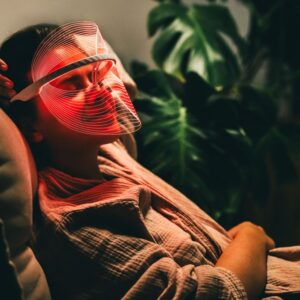





Glamour’s gallery “5 Best Red-Light Therapy Masks That Actually Work 2026” opens with a claim most beauty shoppers would sign up for: after testing the masks, the editors say their complexions have never looked better. It’s a confident sentence, and it explains why this category keeps climbing the wish lists of people who already own a decent cleanser and a serum they trust.
It’s also a sentence that deserves a slow read. A glowing verdict from a test panel is a starting point, not a finish line, and the distance between “worked for our editors” and “will work for you” is where most skincare money gets wasted.
What the Verdict Actually Says
Strip the headline down and the public claim is narrow. Five masks made the list. The editors tested them. Their own skin, in their own assessment, has never looked better. That’s a first-person account from a small group of people, which makes it useful as a signal and limited as proof.
Nothing in that framing is dishonest. Editors who test products for a living tend to know what a good result looks like on their own faces. But “complexion” is a loose word. It can mean tone, texture, brightness, or simply how rested you appear on a given Tuesday. A mask that gets credit for all of that is hard to pin down, and a reader should notice how much a single word is carrying.
Why a Face-Shaped Light Appeals So Much
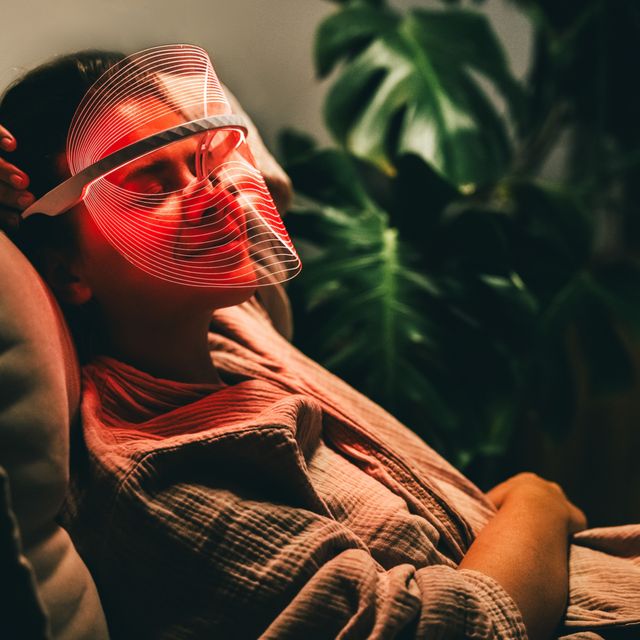
Red-light masks sell a particular fantasy: passive improvement. You don’t scrub, peel, or tingle your way through a routine. You strap on a device, sit still for a short session, and let light do the work. In a skincare world full of acids and prescriptions that make your face peel, that pitch is almost restful.
The format helps too. A mask is a single object with a clear beginning and end, which makes it easy to build a habit around. People who would never remember a three-step serum layering routine can often manage ten minutes on the couch with a device on their face and a podcast in their ears.
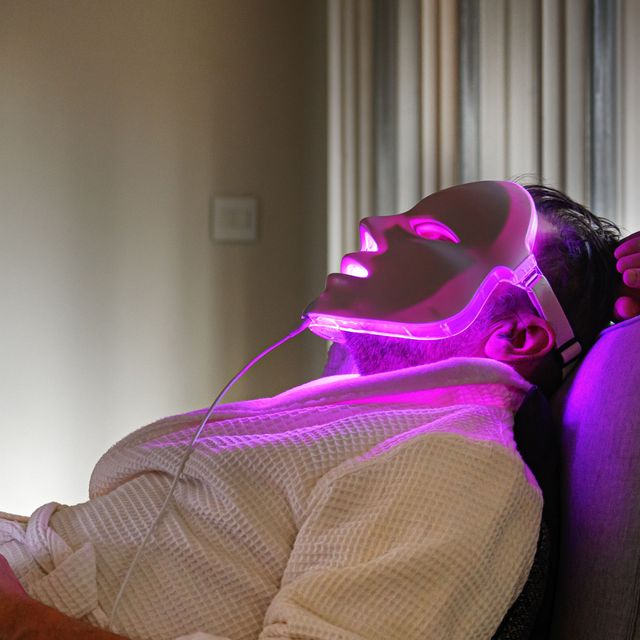
That habit-friendliness matters more than it sounds. Nearly every product in this category promises gradual change rather than overnight transformation, so the real variable is whether you will use the thing consistently. A mask that sits in a drawer after week two delivers nothing, no matter how well it tested. Comfort, fit, and how easy it is to charge and wear all become part of the result.
There’s an honest tension here, too. The same quality that makes a mask pleasant, the quiet, low-effort ritual, also makes it hard to tell whether it is working. Skin changes slowly and lighting changes daily. Plenty of people who report a better complexion are also sleeping more, drinking more water, or finally wearing sunscreen. A good test would try to account for all of that. A list of five winners usually can’t.
Questions Worth Asking Before You Buy
The most useful way to treat a “best of” list is as a shortlist generator. Before any of the five goes in a cart, a few practical questions are worth settling:
- What is the skin goal? Fine lines, uneven tone, and occasional breakouts are different problems, and one device rarely addresses all of them.
- Can you wear it for the full session? A mask that is heavy, hot, or awkward will be abandoned.
- What is the return window? Since results build slowly, a short return policy gives you little time to judge.
- Are you using anything that makes skin sensitive to light? If you are on prescription skincare or have a skin condition, a dermatologist is the right person to ask first.
None of this is cynicism. It’s the same homework you’d do before buying a mattress or running shoes, products that also come with enthusiastic reviews and highly personal outcomes. The difference is that a face mask costs real money and asks for weeks of your evenings, so the homework pays off.
Reading the Gallery With a Straight Face
The Glamour list is dated 2026 for a reason: this is a product category that turns over quickly, with new models and refreshed designs arriving constantly. A “best” ranking is a snapshot, and the five masks that impressed editors this year may share shelf space with stronger competitors by the next. Treat the date as part of the claim.
It also helps to remember what a mask cannot replace. Daily sunscreen, a gentle routine, and sleep are still doing most of the heavy lifting for a good complexion, and a device is an addition to that foundation, not a substitute for it. If the editors’ skin looks its best after testing, the mask may deserve some of the credit. The rest probably belongs to everything else on the vanity.
So the useful question isn’t whether red-light masks work in the abstract. It’s whether one of these five will earn a spot in your actual week, on your actual face, for long enough to show you anything. If the answer is a drawer by March, what did the editors’ glow really buy you?