




A Body That Doesn’t Wait for You
There are mornings when getting dressed becomes an act of negotiation. The jeans from yesterday carry a kind of optimism that today’s body simply cannot back up. The dress planned the night before belongs to a version of yourself who didn’t make it to the morning. After two outfit changes, it becomes clear the clothes were never the issue at all.
That disorientation is one of the quieter, less-discussed dimensions of living with endometriosis – a condition where cells similar to those lining the uterus grow elsewhere in the body, producing severe pain, hormonal shifts, and a fatigue that sleep barely touches. The physical symptoms are well-documented. What gets talked about less is how the condition rewires your relationship with your own body, turning it into something you’re constantly being reintroduced to.

Choosing Something Before the Body Calls the Shots
Bloating arrives without warning. Heaviness settles in overnight. Pain becomes a variable that has to be factored into every plan, every social commitment, every outfit. For people managing endometriosis, the body often makes its own executive decisions long before the mind has had a chance to catch up. Agency, in those moments, can feel like a very small and negotiable thing.
That’s where a habit that might sound eccentric from the outside starts to make genuine sense. Reaching for perfume – not as a cure, not as a distraction exactly, but as one of the few deliberate choices still available before the body takes over – is something women with chronic illness describe as quietly grounding. It doesn’t fix pain. It doesn’t reduce inflammation or calm a hormonal flare. What it does is hand back a small but real piece of control.
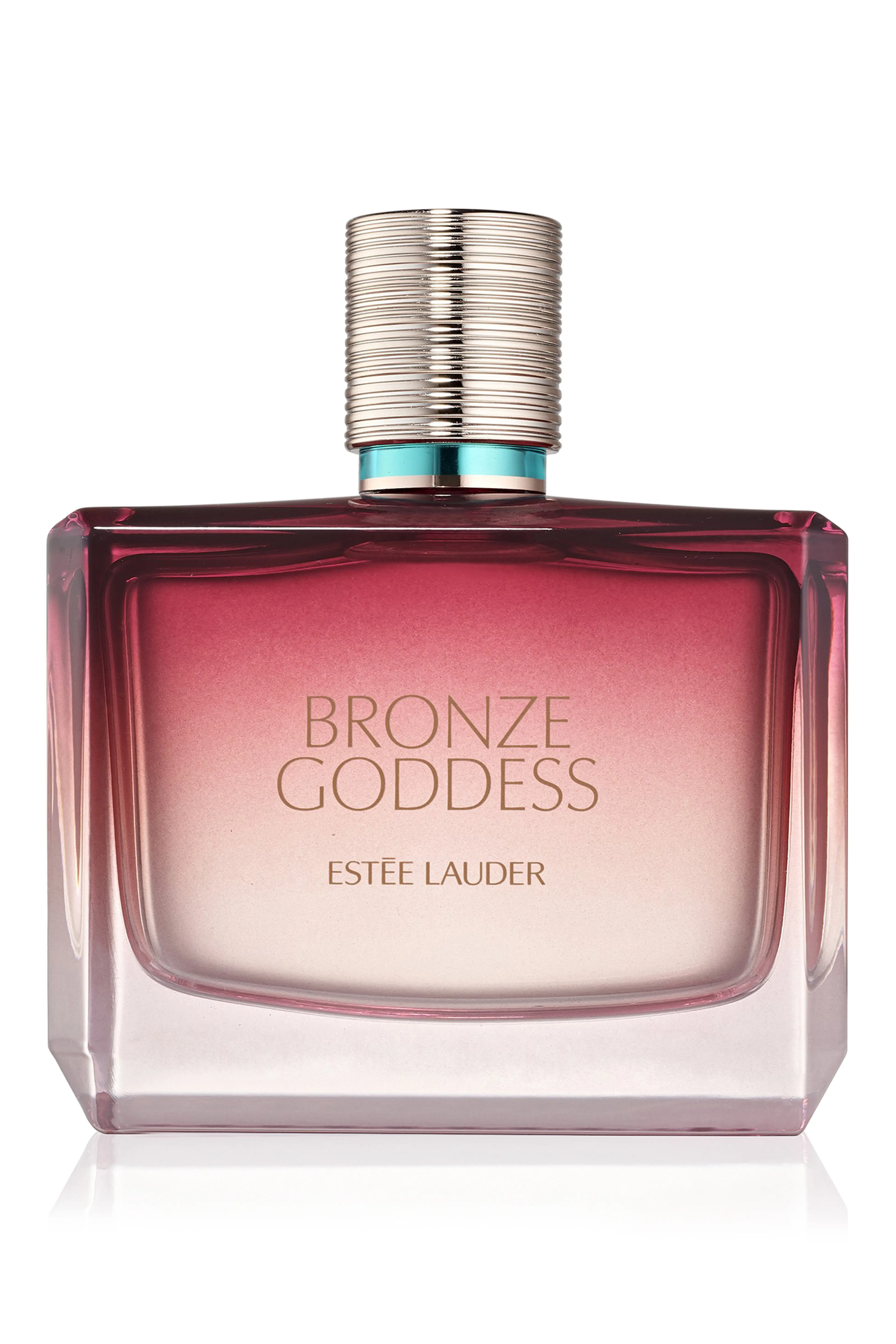
The scent most often reached for in those moments is Estee Lauder Bronze Goddess – described as a summer fragrance shared between a mother and daughter, carrying the smell of warm, salty skin and vacations. That kind of scent memory isn’t accidental. Fragrance is processed through the olfactory system, which connects directly to the brain’s limbic region – the area governing emotion and memory. A single spritz can pull a person toward a version of themselves that predates the diagnosis, or at least predates the day’s particular flare.
What Scent Actually Does in a Chronic Illness Context
There’s a reason perfume functions differently for people living with conditions that change the body unpredictably. For most wearers, fragrance is an accessory – chosen to complement a mood, an outfit, an occasion. For someone managing endometriosis, it operates more like a tether. The body may be unrecognizable on a given morning, but the scent is constant. It’s the same bottle, the same dry-down, the same memory it always carries.
Bronze Goddess, in this context, isn’t just a seasonal fragrance from Estee Lauder. It’s a marker of continuity – evidence that the self who existed before pain became logistical is still accessible, still somewhere inside the body that has, for now, gone rogue. That’s not a small thing to ask of a fragrance. And yet, apparently, it delivers.
Reclaiming Identity Through Small Sensory Acts
Chronic illness has a particular way of making the body feel borrowed. Endometriosis, specifically, operates on a timeline entirely its own – flaring without notice, receding without explanation, showing up in the middle of plans that had nothing to do with pain. The women who reach for perfume during those episodes aren’t pretending the symptoms aren’t there. They’re doing something more precise: insisting that who they are extends beyond what their body is doing on any given day.
The ritual is modest, almost embarrassingly so. A spray on the wrist, maybe the neck. Something warm and familiar – or something cold and bright, depending on what the day requires. There’s no clinical protocol here, no wellness industry endorsement. Just a person standing in front of a mirror with a bottle, choosing something for herself before the morning gets any louder.
Scent as self-care in the context of chronic illness also sidesteps the more performative versions of that phrase. It doesn’t require energy. It doesn’t demand a good body day. It asks nothing except that you reach for it – which, on the hardest mornings, is the only bar that’s actually clearable. The Estee Lauder Bronze Goddess bottle shared between mother and daughter carries decades of association in it: summers, ease, a body that moved through the world without a second thought. Wearing it doesn’t summon that body back. But it confirms you’re still the person who remembers her.
The clothes still might not fit right. The fatigue doesn’t lift because a fragrance was applied. But somewhere in the act of choosing – of picking up the bottle, of deciding what version of yourself you want to smell like today – there’s an insistence that the body isn’t the only thing with a vote. And for now, that might be enough to get through the getting dressed.
What happens when even that small ritual starts to feel out of reach?