



Living in Dallas at 102°F and swearing off aluminum-based deodorants is not a combination that should work. And yet, Oak Essentials’ Microbiome Balancing Deodorant – from the brand founded by Jenni Kayne, the designer behind her cult luxury knitwear label – has made the math add up.
Why Aluminum Became the Breakup, Not the Default
Aluminum is the active ingredient in most conventional antiperspirants, and it works by physically blocking sweat glands to reduce moisture. It is not inherently dangerous, but it does come with real drawbacks: irritation after shaving, white residue on skin, and those stubborn yellow stains on fabric that no amount of soaking fully fixes. For people with sensitive underarm skin, those trade-offs stop making sense.
The distinction between antiperspirant and deodorant matters more than most labels let on. Antiperspirants suppress sweating. Deodorants address odor without touching the sweat itself – which means your body still perspires, as it’s supposed to. Whether that trade-off works depends entirely on the product doing the odor work well enough that you stop noticing the sweat.
That’s where most aluminum-free options fall apart. The category is full of products that perform adequately in temperate weather and collapse the moment humidity shows up. Testing deodorant in a Dallas summer – where a single afternoon errand can register like a workout – removes any margin for mediocrity fast.
Oak Essentials positions the Microbiome Balancing Deodorant as something more than an odor fix. The formula targets the underarm skin’s microbiome, the bacterial ecosystem that, when disrupted by frequent shaving, sweat, and friction, contributes to odor in the first place. Rather than masking the problem, the idea is to address the conditions that create it.
What’s Actually in It, and Why That Matters for Summer Skin
Underarm skin is some of the most frequently stressed skin on the body. It gets shaved regularly, compressed by clothing, exposed to heat and friction, and then – if you’ve switched from aluminum – asked to regulate itself without the chemical plug it may have relied on for years. The ingredient list in Oak Essentials’ deodorant reflects an understanding of that stress rather than ignoring it.
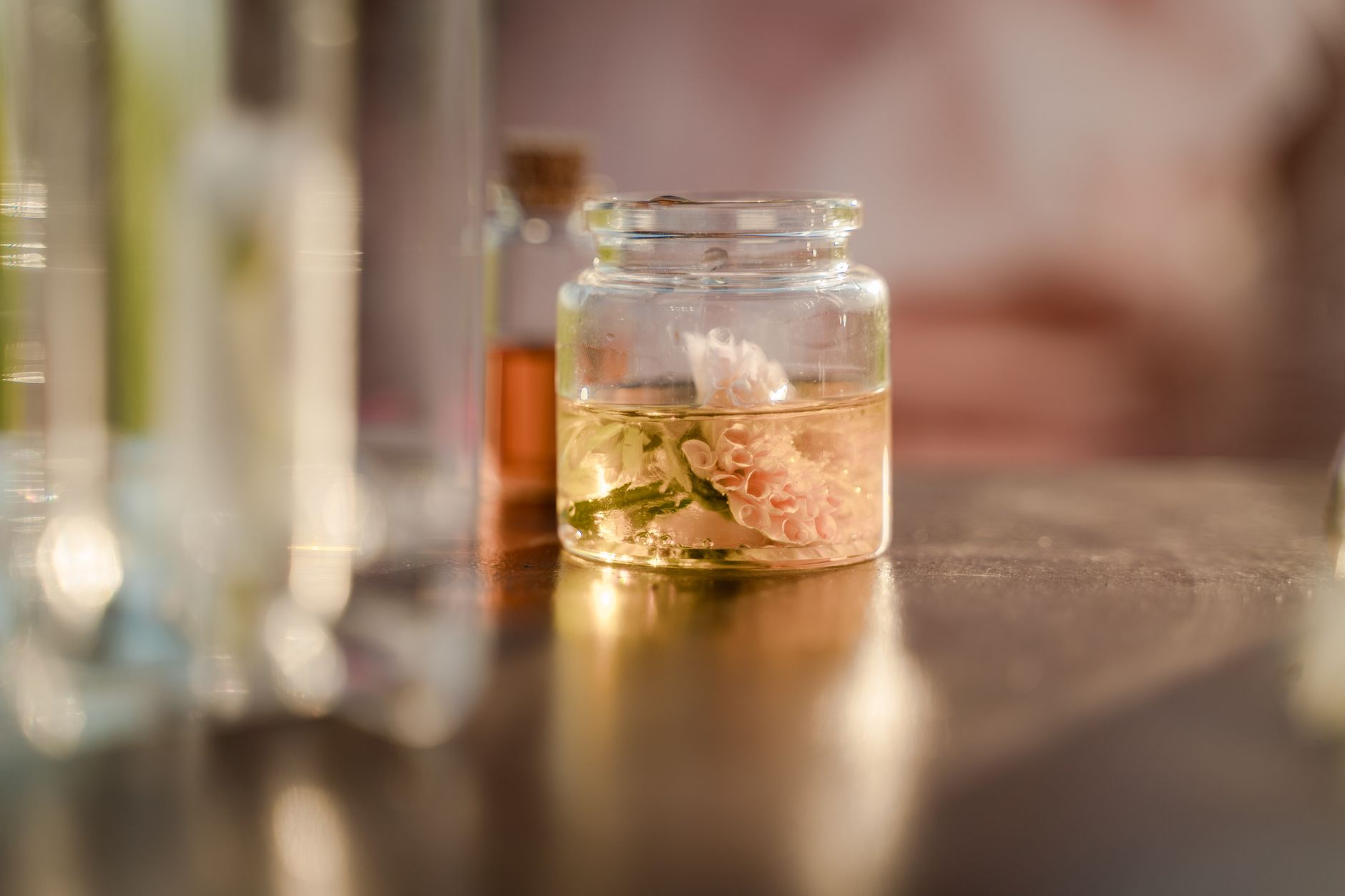
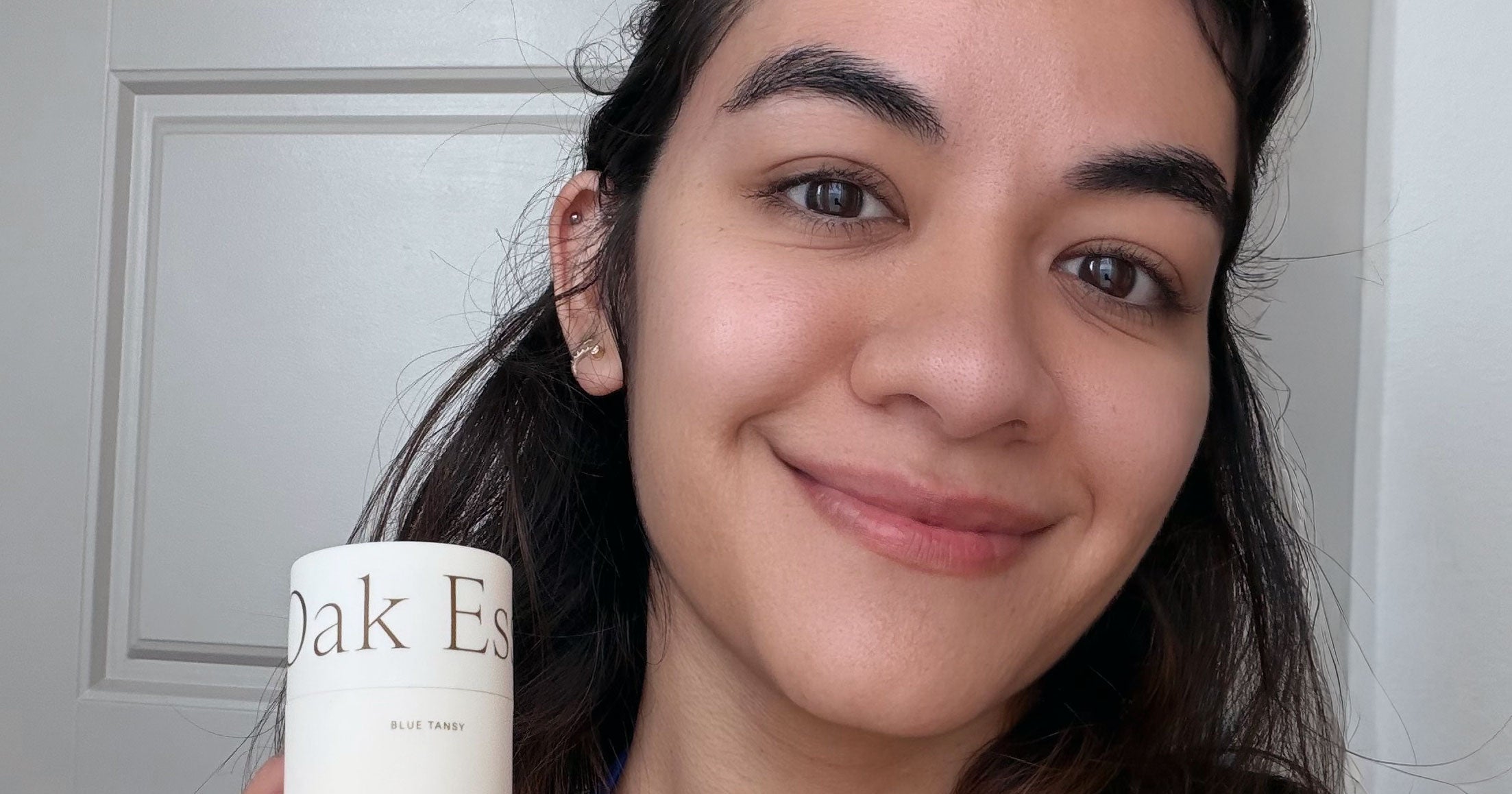
The formula draws on botanical ingredients including blue tansy, rose oil, olive extract, and sea algae. Blue tansy is known for its calming properties, which matters post-shave when the skin is inflamed. Rose oil brings hydration. Olive extract offers antioxidant support. Sea algae contributes mineral-rich conditioning. These aren’t decorative additions – they’re doing actual skincare work in a product that’s usually designed to do one job and move on.
Oak Essentials has built its broader body line around this kind of ingredient focus, and the deodorant sits within a larger philosophy rather than as an isolated product. The brand also launched a hand-care collection in collaboration with Jenni Kayne – a range that includes what can genuinely be called a status hand soap, positioned at the higher end of the everyday-luxury category. The brand’s commitment to botanical formulation runs consistent across the line, which gives the deodorant credibility that standalone launches often lack.
The stick format is worth noting, because non-aluminum deodorants often arrive as creams, gels, or sprays that require adjustment periods both practical and psychological. A stick behaves like what most people grew up using. Application is familiar. That sounds like a small thing until you’ve spent three minutes every morning trying to apply a paste without getting it on your shirt.
At 102°F – the actual temperature on the day this product was stress-tested – the deodorant held. Not in a “technically functional” way, but in the sense that odor stayed managed through the kind of heat that makes outdoor errands feel irresponsible. For someone who has cycled through aluminum-free options and landed back on frustration more than once, that result is not easy to dismiss. The skin underneath felt less irritated over consistent use, which tracks with the microbiome-balancing claim: if the bacterial environment is less disrupted, the skin has less to recover from.
The Brand Behind It, and Who It’s For
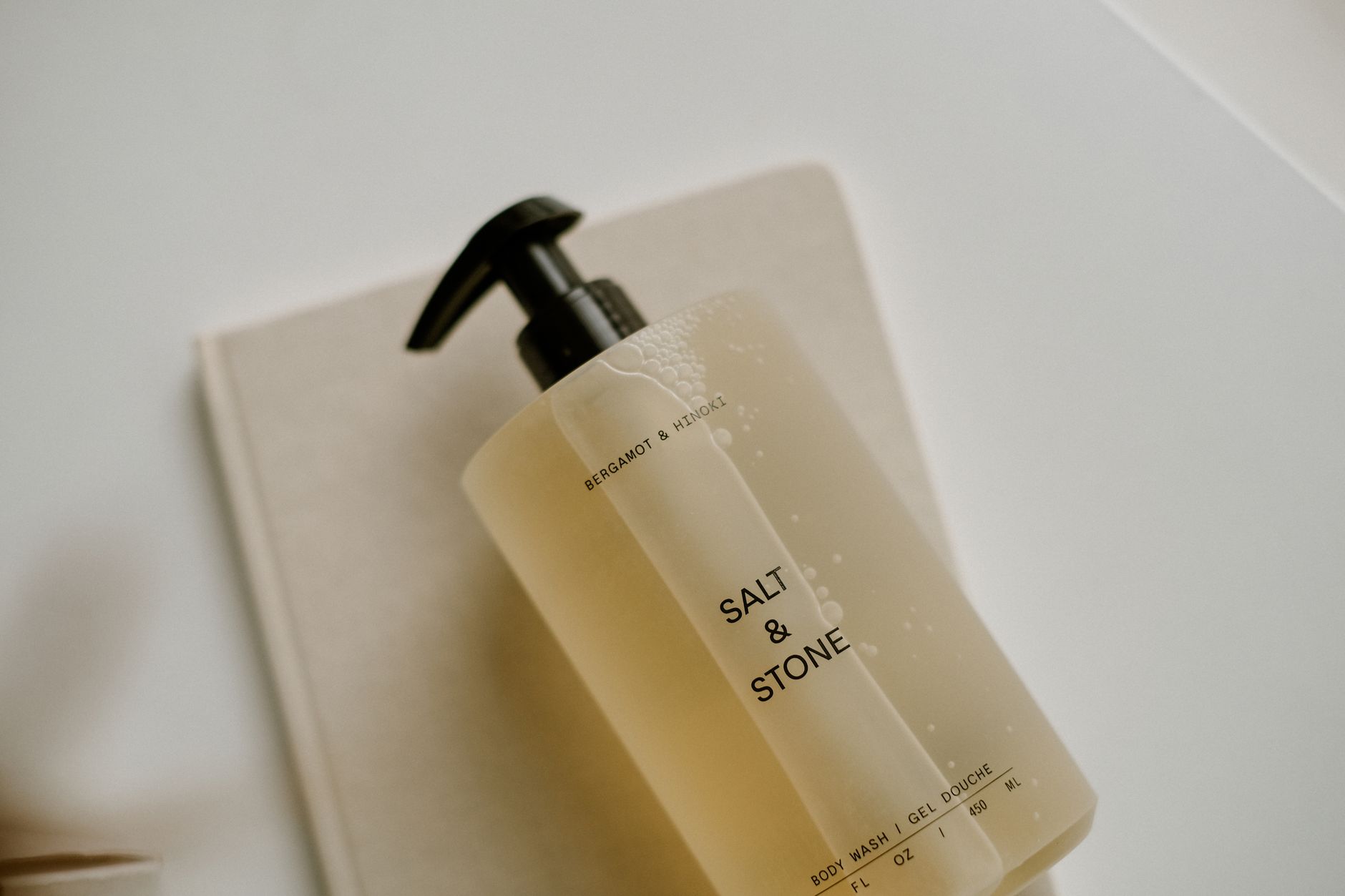
Jenni Kayne built her reputation on a specific aesthetic – quiet, expensive-looking, California-inflected luxury that resists being loud about itself. Oak Essentials extends that sensibility into body and skincare, with a focus on nourishing formulas and botanical sourcing that appeals to the same customer who buys her sweaters: someone willing to spend more if the product earns it. The deodorant fits that profile. It’s not the cheapest aluminum-free option on the market, and it doesn’t try to be.
The real question for anyone considering the switch – or anyone who has tried it before and given up – is whether this product can hold in conditions that would make a lesser formula quit. Dallas in July is one answer. But what happens when the temperature drops and the habit stays?