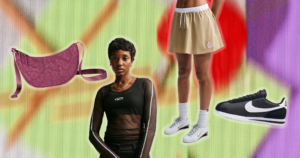





The Christmas tree has always come with a short list of unwritten rules. It should be green, tall, and planted in the middle of the room, with the furniture rearranged around it like a family gathered for a portrait. For generations, the whole ritual has leaned on that one image. Refinery29’s 2026 faux tree roundup opens by quietly admitting to a bit of infidelity: its writer has been thinking about cheating on the traditional tree with miniature, colorful, unconventional stand-ins, and the online shopping carts are filling up to prove it.
The confession is funny, but it also describes a real change in what a holiday tree is allowed to be. The seven-foot centerpiece, the twinkling lights, and the sentimental ornaments all still have their defenders, the writer included. What has loosened is the idea that every tree has to be a version of that tree. Some of this season’s picks are charmingly understated, while others seem to come from someone who treats “more is more” as a life philosophy. The best part is that nobody has to choose.
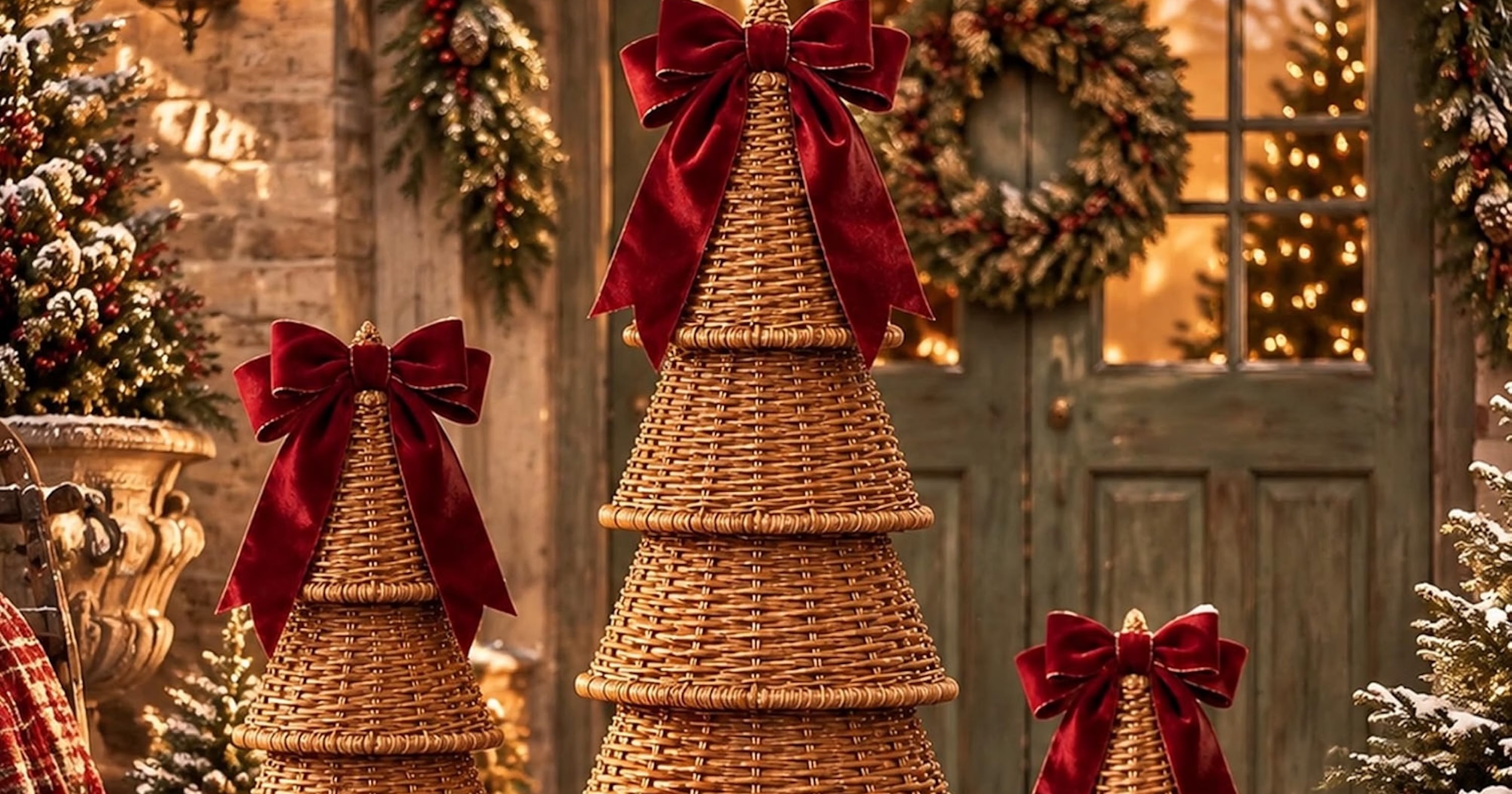
A Wicker Tree in Velvet Bows and Other Small Rebellions
Two of the trees that tipped the writer over the edge say a lot about where things are heading. One is a wicker tree dressed up in oversized velvet bows, which treats the tree as a piece of furniture that happens to have a holiday outfit. The other is a sparkly little number that looks like it belongs in a disco. The two share almost nothing except a refusal to look like a forest tree.
Look at the wider group and the vocabulary shifts. The roundup talks about sculptural silhouettes, unexpected textures, and candy-colored branches. Some designs could double as art installations. That is gallery language applied to a seasonal decoration, and it makes sense once you stop expecting a faux tree to impersonate a real one. A tree that never pretended to be a fir is free to be a shape, a color, or a joke.
That freedom explains why the tone of the coverage is so light. Holiday decorating, the writer argues, doesn’t have to be quite so serious, and the more personality a tree has, the better. It is a small argument, but it undoes a lot of pressure. If a velvet-bowed wicker cone counts as a legitimate tree, then so does whatever you were embarrassed to want.
Why Fake Is Winning the Argument
The practical case is almost boring by comparison, which is its strength. A faux tree drops no needles and needs no watering. It keeps looking fabulous year after year, so the money you spend now still pays off the next December and the one after that.
That durability changes what a tree is worth buying. A real tree is a one-season commitment, so it makes sense to stay safe and traditional. A tree you will own for years can afford to be a little ridiculous, and if the ridiculous one stops delighting you, the cost of the experiment is low.
Three Trees, Three Rooms
Then there is the rule the roundup breaks most cheerfully: you only get one. Its logic is simple. A petite tree on the nightstand, a statement-making creation in the entryway, and something wonderfully ridiculous on the mantel add up to what the writer calls a perfectly reasonable decorating strategy. Each tree gets a job, and none of them has to be everything at once.
This also solves a problem that the seven-foot centerpiece never could. Small spaces have always made the big tree a negotiation with the floor plan. For anyone in a tiny apartment, a cluster of miniatures offers the holiday feeling without surrendering a corner of the living room to a trunk and a stand. The scale of the thing finally matches the scale of the home.

It also works for people who aren’t downsizing at all. The roundup is pitched at anyone looking to give their usual holiday setup a little personality, or who simply can’t resist something shiny. That last category is probably the largest. Shininess has always been the engine of Christmas decorating, and a sparkly disco-ready tree is just that instinct without the apology.
The roundup does promise traditional trees too, and it says so plainly, with some “ahead” in the lineup. But it ends its introduction on a warning that your traditional tree may not enjoy the competition. And if the nightstand already has a tree of its own, what exactly is the seven-footer still doing in the corner?