




The Island People Talk About Differently
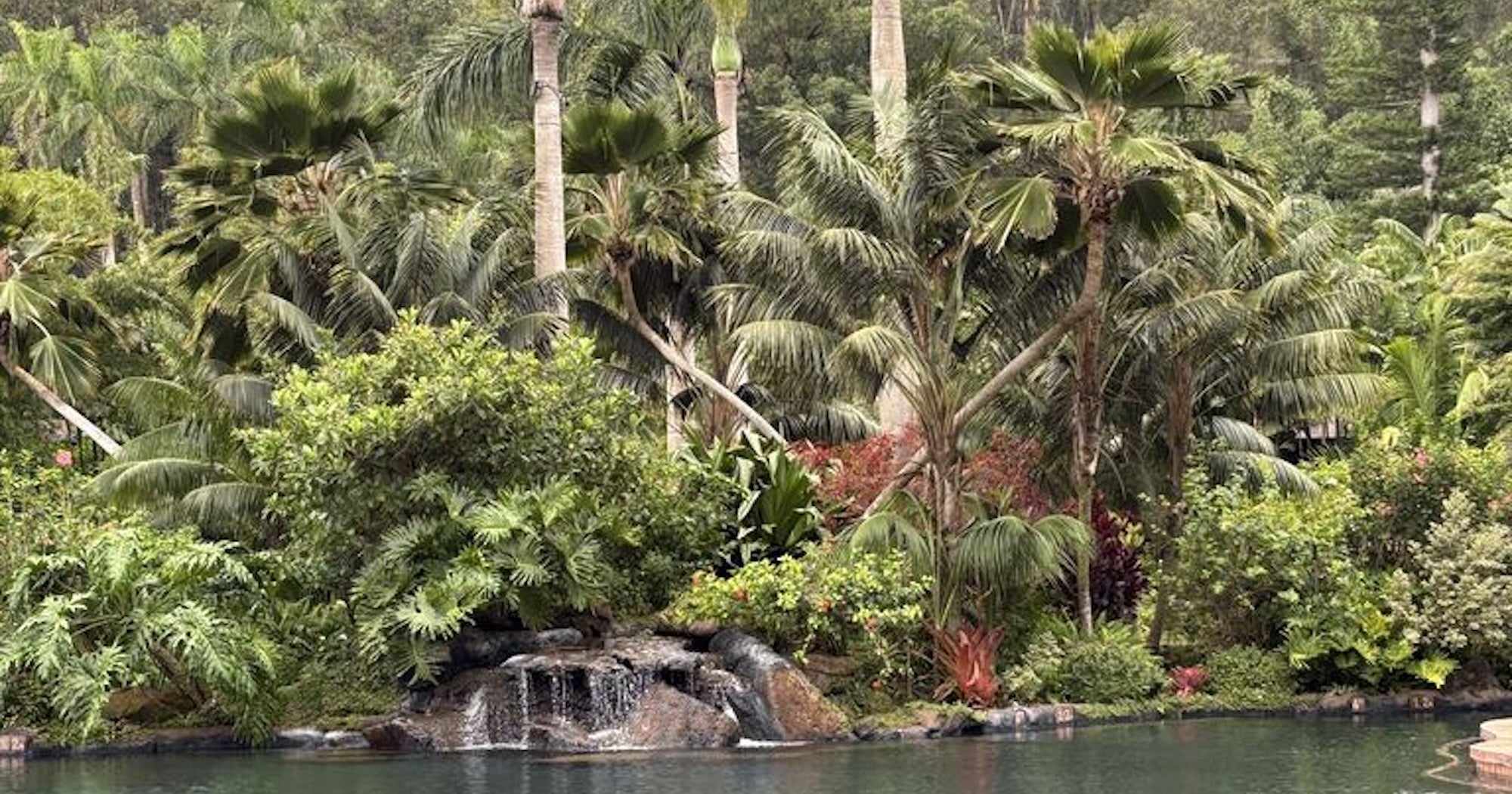
Of all the Hawaiian islands, Lānaʻi carries a particular kind of reputation – not loud, not obvious, but the sort that gets passed around in conversation with a kind of reverence people reserve for places they’re still processing. Having visited Hawaiʻi multiple times across different islands, I’d heard the Lānaʻi lore plenty. I’d also spent months fixating on Sensei Lānaʻi, A Four Seasons Resort, a wellness retreat sitting in the island’s upcountry, deliberately removed from everything. The seclusion wasn’t incidental – it was the whole point.
I reached out to the resort’s wellbeing team and built an itinerary that accounted for exactly where I was: six months into a new role as SVP of Brand & Content at R29Unbothered, not a single day off taken, running on the strange fuel of professional momentum and quiet depletion. My fiancée joined. They were in a comparable place with their own work life. We were not people in crisis – we were people in need of a floor.
What Burnout Actually Looks Like Up Close
Nobody’s burnout looks like a movie breakdown. Mine looked like carrying the same book from room to room for weeks, reading the same page four nights running, and retaining nothing. It looked like chronic pain – ongoing health issues that have gradually and quietly reorganized my daily life in ways I don’t always advertise. Small things. Unglamorous things. The kind that accumulate until you realize you’ve lost track of what your body feels like at rest.
The new job itself wasn’t the problem. Six months inside an industry I’d loved from the outside for years felt like a relief, even when it was demanding. The work was satisfying. The whirlwind was real but welcome. What was missing was any interruption to it – any moment where I wasn’t orienting myself toward the next thing. That absence had started showing up in my body, my sleep, my ability to stay present in a room. I needed to locate my baseline, or at minimum confirm I still had one.
My intentions for the trip were specific enough to be useful: surrender to nature, stay off my phone, finish the book, and come home understanding my body better than I did when I left. Those four things. Not transformation, not reinvention – just information. Sensei Lānaʻi, with its wellbeing-first structure and upcountry remove, seemed like the right place to get it. The resort’s team worked with me directly to shape an itinerary that didn’t flatten either of our needs into a generic spa week.
There’s a real difference between a resort that offers wellness programming and one built around it from the architecture outward. Sensei Lānaʻi sits in the second category – the specificity of the place, its physical seclusion, the way the wellbeing team engaged with the itinerary-building process, all of it pointed toward something more considered than amenity-stacking. That mattered to me, especially given the chronic pain piece, where generic exertion recommendations tend to miss the mark entirely.
What You Pack When the Goal Is Stillness
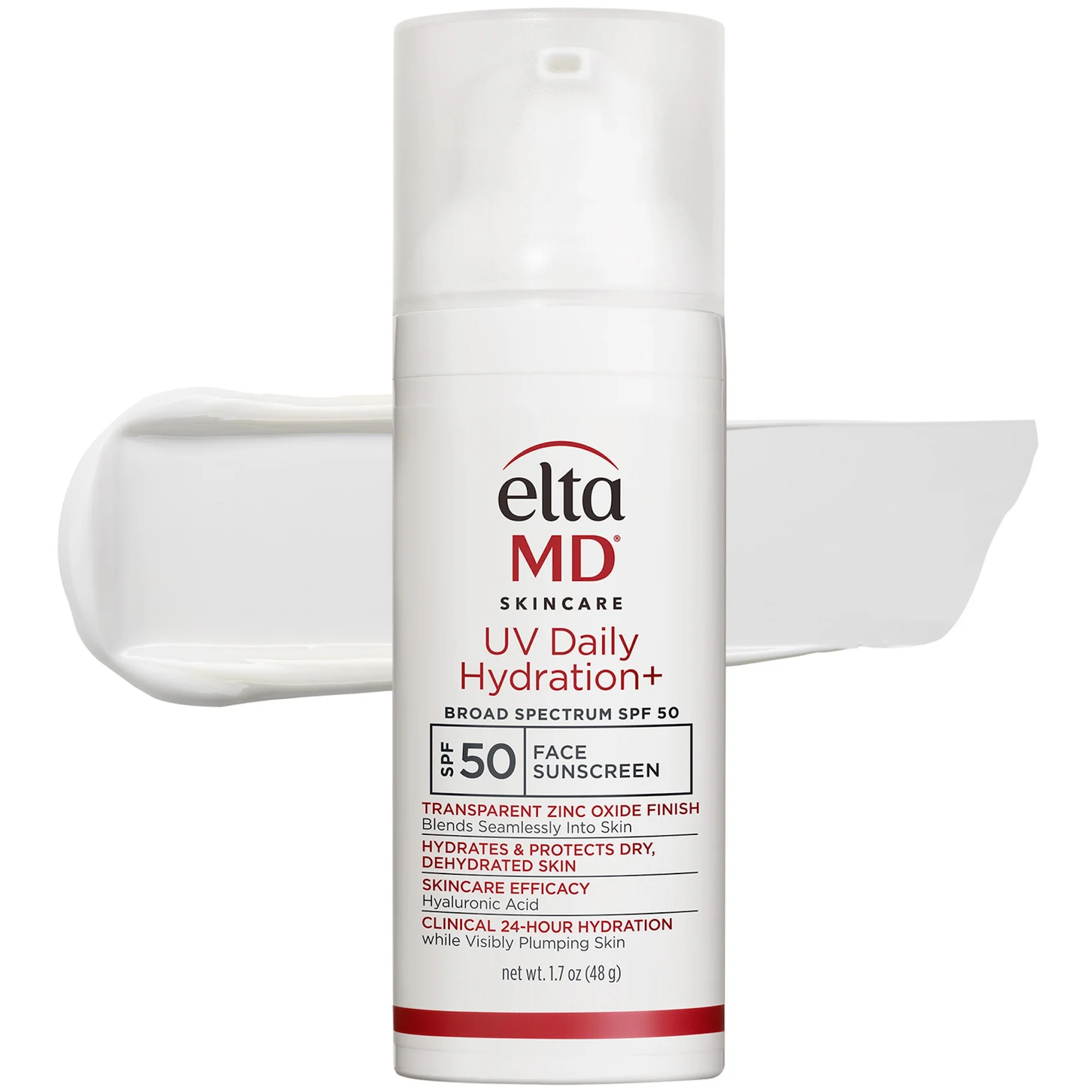
Packing for this kind of trip requires a particular honesty about what you’ll actually reach for. I kept it intentional: a few vintage silk and linen pieces that could move between contexts without effort, and EltaMD UV Daily Hydration+ SPF 50, which is non-negotiable regardless of destination.
Light layers. Nothing that needed managing. The goal was to create as little friction between me and the environment as possible – physically, logistically, mentally. When you’re trying to stop performing and start recovering, even the contents of your bag are a variable worth controlling.
Lānaʻi as a Place, Not Just a Backdrop
Getting to Lānaʻi requires intention by design. The island doesn’t absorb mass tourism – it resists it structurally, geographically. That resistance is part of what makes it feel distinct from the rest of the Hawaiian chain, even to someone who’s visited the archipelago more than once. The upcountry location of Sensei Lānaʻi pushes you further from any illusion of convenience, which turns out to be the point.
My fiancée and I made the trip knowing we were choosing disorientation on purpose – stepping out of a rhythm that had been running on autopilot for half a year and landing somewhere that had no investment in that rhythm continuing. The wellbeing team had shaped an itinerary that met us where we were, not where a wellness brochure imagined we might be. That distinction is harder to engineer than it sounds.
The question I kept returning to, even before we landed: what does a baseline actually feel like once you find it? Not the idea of rest, not the performance of recovery, but the actual physical and mental coordinates of a self that isn’t currently running hot. I didn’t know if five days could answer that. I knew six months without a day off couldn’t.