




The Phone Stays Locked
There’s a specific kind of paralysis that happens when you pull up a friend’s contact and then just… don’t call. Your thumb hovers. You think about the hour, about their own problems, about whether what you’re going through actually qualifies as an emergency. Then you lock the screen and sit alone with whatever you were hoping to hand off to someone else. It’s a remarkably common experience, and it says something uncomfortable about how we’ve been taught to categorize our relationships – who gets the hard calls, and who gets the version of you that’s holding it together.
Society has built a hierarchy of emotional labor that places romantic partners at the top. Friends, the logic goes, are for brunches and group chats, not for sitting beside you in a hospital waiting room or staying the night because a diagnosis came back and you can’t face an empty apartment. That framing is doing real damage to how women, in particular, experience crisis – shrinking their support networks down to one person, or no one at all.

What a Film About Dying Got Right About Friendship
Pedro Almodovar’s The Room Next Door arrived in cinemas earlier this year and quietly reframed what we think platonic relationships can hold. Tilda Swinton plays Martha, a woman dying of cancer, who makes what might be the largest request one human being can make of another. The person she turns to is not a husband or a partner. It’s her friend Ingrid, played by Julianne Moore.
That choice – having Martha direct the ask toward a friend rather than a romantic attachment – is the entire architecture of the film. It forces the audience to sit with how rarely we extend that kind of trust outward beyond a couple. Ingrid wants to help. She also finds the weight of it almost unbearable. The film doesn’t resolve that tension neatly, which is exactly what makes it worth watching.
What Almodovar is tracing is something most of us have felt but rarely named: the gap between the intimacy we already have with our close friends and the intimacy we actually let ourselves use. Martha and Ingrid’s friendship deepens through the request itself, not in spite of it. The asking is part of the relationship, not a breach of it.
Walking out of that screening, the feeling isn’t grief or heaviness so much as a kind of quiet challenge. There are people in most of our phones who would show up – who want to show up – and we’re not letting them.

When Women Did Ask
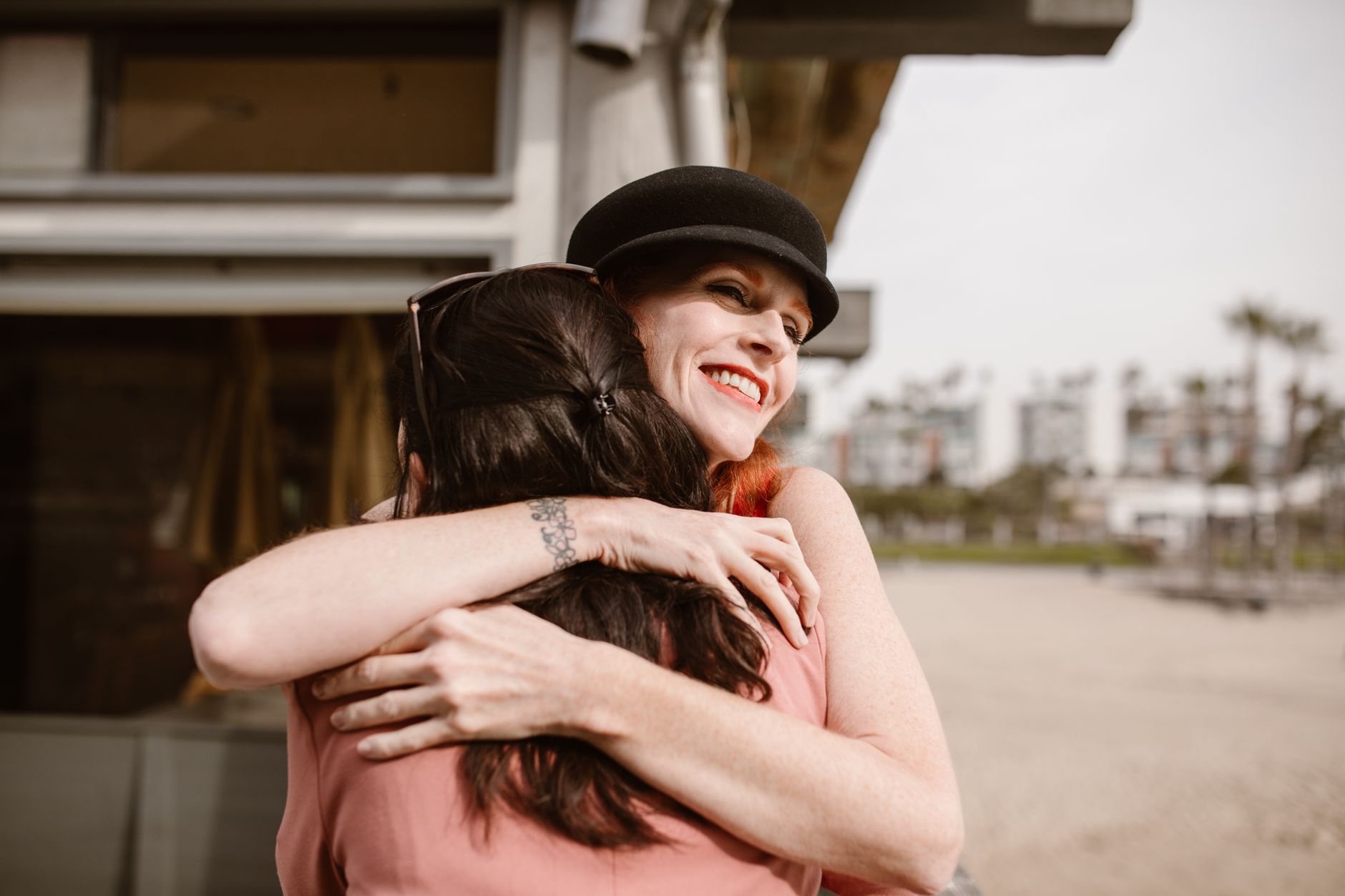
Refinery29 spoke with women about the moments when they reached past the hesitation and actually called. What came back, again and again, was not a story about burdening someone – it was a story about friendship expanding to meet the need. Friends who drove across cities in the middle of the night. Friends who didn’t try to fix anything, just stayed. Friends who knew, before being told, what kind of help was actually wanted.
That last detail matters. The women interviewed described friends who understood them well enough to skip the script – who didn’t arrive with platitudes or a to-do list, but with presence. That kind of knowing doesn’t come from six months of dating. It comes from years of showing up in the smaller moments, which is exactly what long friendships are built from.
The Cost of Waiting for Permission
The instinct to protect friends from the weight of our lives usually comes from a good place. Nobody wants to feel like a drain. But the logic, followed far enough, isolates people at exactly the moments when connection is most necessary. There’s a version of consideration that becomes a way of keeping everyone at arm’s length under the cover of politeness.
It also tends to be one-directional in a way that’s worth examining. Most people who hesitate to call a friend in crisis would answer that same friend’s call without question. They would not feel burdened. They would feel trusted. The gap between how we imagine our friends experiencing our needs versus how we’d actually respond to theirs is usually significant.
There’s a small, specific image that keeps surfacing in the original story – a woman standing alone in the dark beneath a billboard, phone in hand, talking herself out of making the call. She describes it now as being wrong. Not cautious, not considerate. Wrong. That reframing – treating the decision not to reach out as a mistake rather than a kindness – is where the real shift in thinking has to happen. The call should have been made. It probably still can be.