





Starting From a Place of Bad Sex
Shan Boodram didn’t arrive at her career as a certified sex educator and board-certified sexologist through academic ambition alone. She grew up in a predominantly white neighborhood in Canada, had early sexual experiences she describes as poor, and decided the most practical response was to educate herself – thoroughly, and on her own terms. That self-education eventually became professional training, an MS in Psychology, and a body of work aimed at dismantling the dominant narratives that have shaped how most people understand (or misunderstand) their own sexuality.
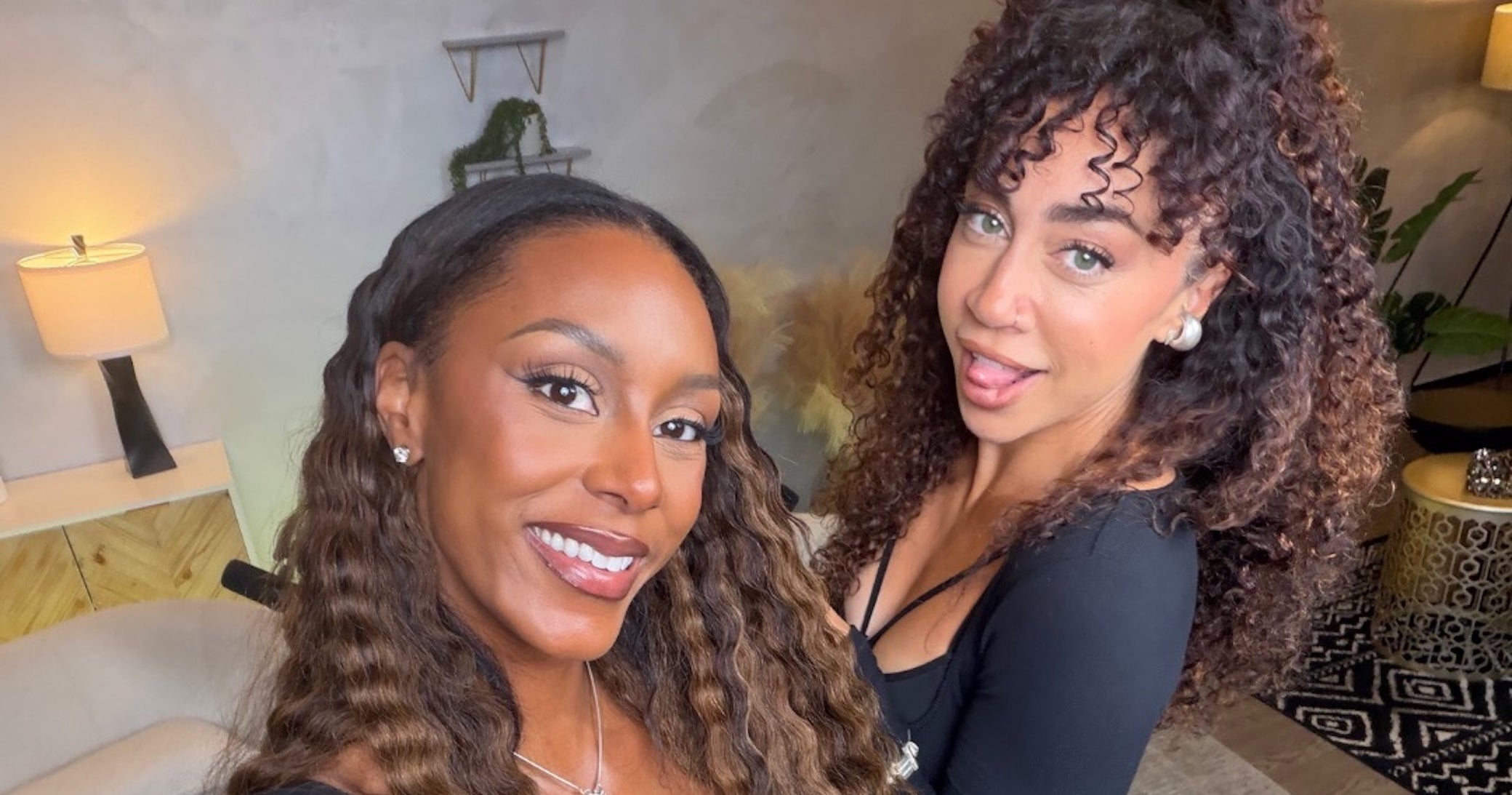
In a recent appearance on the Naked Beauty Podcast, Boodram was characteristically direct – walking through desire, intimacy, pleasure, and the specific, fixable reasons people aren’t having the sex they actually want. This wasn’t a theoretical conversation. She came with examples, live demonstrations of preferred positions and toys, and an explicit agenda: stop getting people talking about sex and start getting them to reclaim authority over it.
What a Loving Marriage Taught Her About What She Was Missing
Boodram has spoken openly about her marriage and what that relationship revealed about her own gaps in emotional experience. Her husband, she explained during the podcast, introduced her to a version of unconditional love she hadn’t previously recognized as absent. That’s not a minor detail – it shapes the entire framework she brings to her work with couples.
There’s a tendency in sexual wellness conversations to treat physical intimacy as its own isolated problem, something to optimize with new techniques or scheduled date nights. Boodram resists that framing hard. For her, desire and emotional safety are entangled in ways that most people don’t fully account for when they’re trying to figure out why their sex life has gone flat. The absence of unconditional love – or even just the unfamiliarity with what it feels like – doesn’t stay neatly in the emotional lane. It shows up in bed.
This is where her approach diverges most sharply from mainstream sex advice. She isn’t asking couples to try harder or communicate more abstractly. She’s asking them to get specific about what they’re actually carrying into the bedroom – resentment, unresolved distance, the low-grade weight of daily domestic life – and address that first.
Long-term partnership, parenting, and the general grind of keeping a life running don’t pause to accommodate a healthy sex life. Boodram’s advice for couples navigating all of this isn’t to carve out more time, exactly, but to understand how resentment accumulates and what it costs. She walked podcast listeners through practical frameworks for moving from resentment toward repair – not as a feel-good endpoint, but as a functional precondition for physical intimacy that actually works.

The Specific Fixes She Actually Recommends
Boodram didn’t keep the conversation abstract. She offered concrete examples – things people can do immediately, both alone and with partners – to shift their experience of sex. That specificity is part of what distinguishes her from the more general wellness-adjacent advice that saturates this space. She’s a sexologist with professional training, and she treats that credential as permission to be genuinely useful rather than vague.
Her favorite sex positions and toys came up too, demonstrated live during the episode. Whether that reads as refreshingly practical or slightly jarring probably depends on how much you’ve been conditioned by a sex ed system that stops well short of anything actionable. Boodram’s entire professional existence is a counter-argument to that system – one built on the premise that people deserve actual information, not euphemism.
Reclaiming the Narrative Around Sexual Development
The thread running through everything Boodram discussed is power – specifically, the question of who holds authority over how people understand their own sexual development. She’s not interested in adding to the noise. The goal, as she framed it on the podcast, is to help people take that authority back from cultural scripts that have never been designed with their pleasure or wellbeing in mind.
For someone who began this journey in a Canadian suburb trying to make sense of experiences she didn’t yet have the language for, there’s something deliberately circular about her current position. She built the education she needed, then turned it into the education other people need. That logic is straightforward. What’s less simple is the ongoing work of getting people to accept that they’re allowed to want more – from their partners, from themselves, from the sex they’re currently settling for.
Boodram’s live demonstration of positions and toys during the podcast might be the detail that lingers longest – not because it’s shocking, but because it raises an obvious question about why that level of specificity still feels unusual in a mainstream wellness conversation in 2024.