





Beauty enthusiasts are now rubbing salmon DNA into their scalps, and somehow this makes perfect sense in 2024. Medicube’s new Rosemary PDRN Hair Care line brings polydeoxyribonucleotide-derived from ultra-purified salmon DNA fragments-from Korean dermatology clinics straight to your bathroom shelf. The three-step system includes a shampoo, conditioner, and rollerball scalp serum, each promising to strengthen hair from root to tip.
PDRN first made waves in injectable treatments like Rejuran, where dermatologists prize it for supporting cellular repair and reducing inflammation.
Now the ingredient is migrating beyond skincare into hair care territory, riding the wave of K-beauty innovation that consistently pushes boundaries others won’t cross. Medicube already features PDRN in their bestselling Pink Collagen range, from toner pads to overnight masks, with their gel masks earning particular praise for achieving that coveted “glass skin” effect.
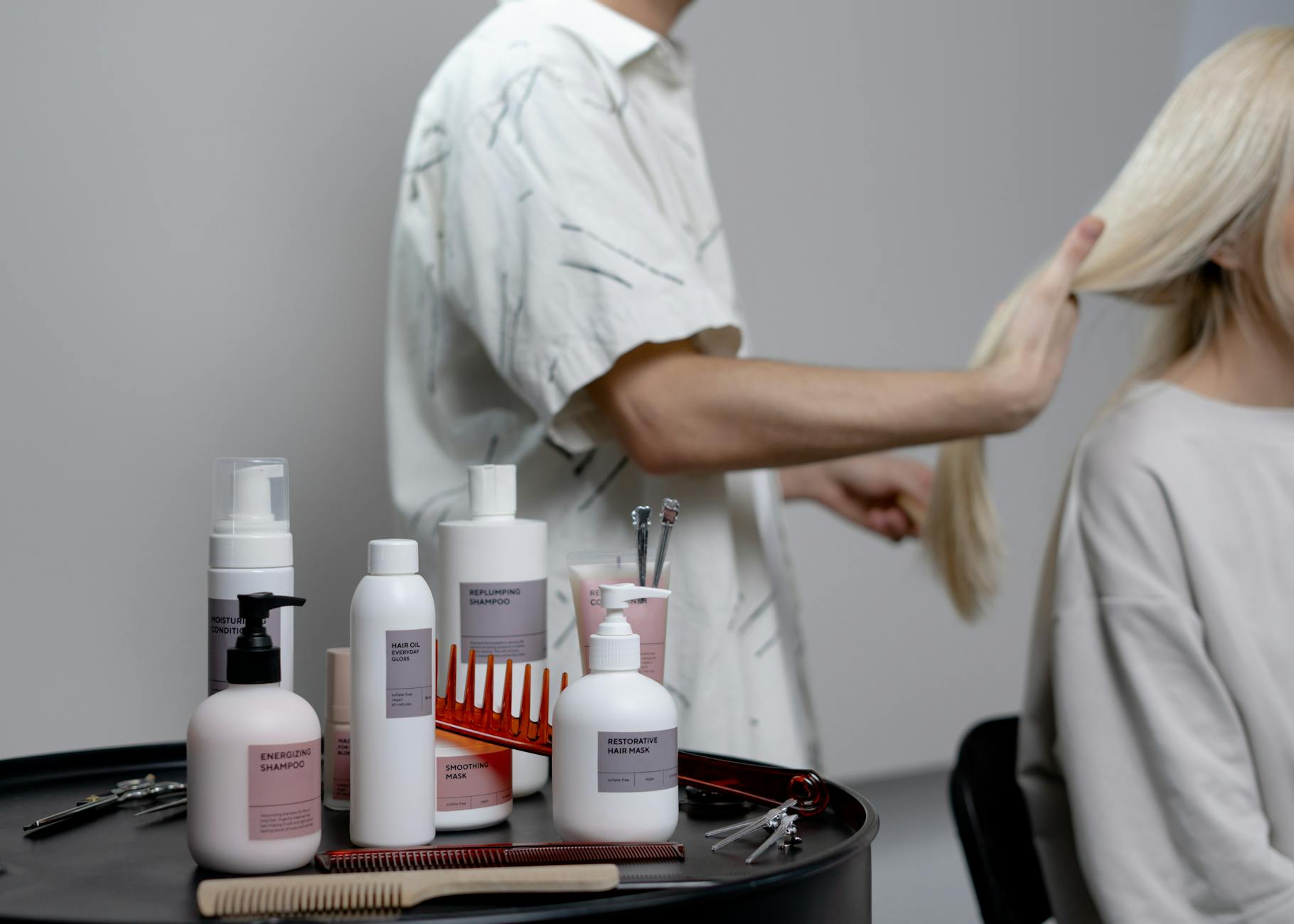
The Science Behind Salmon-Derived Hair Care
Polydeoxyribonucleotide works by encouraging skin regeneration and strengthening barrier function when applied topically. In hair care formulations, proponents argue it can hydrate the scalp while supporting overall hair health through improved cellular repair mechanisms. The ingredient pairs with rosemary extract, epidermal growth factors, and an amino acid complex in Medicube’s formula.
Rosemary has long been associated with hair growth benefits, while epidermal growth factors target cellular renewal processes. The amino acid complex rounds out the formula by providing building blocks for healthy hair structure. This combination targets both immediate concerns like smoothness and shine, plus longer-term goals around fullness and strength.
The rollerball delivery system for the scalp serum deserves particular attention. Unlike traditional droppers that can create mess and uneven distribution, the rollerball ensures direct contact with the scalp while massaging the area during application. This mechanical stimulation may enhance absorption while providing the kind of scalp massage that promotes circulation.
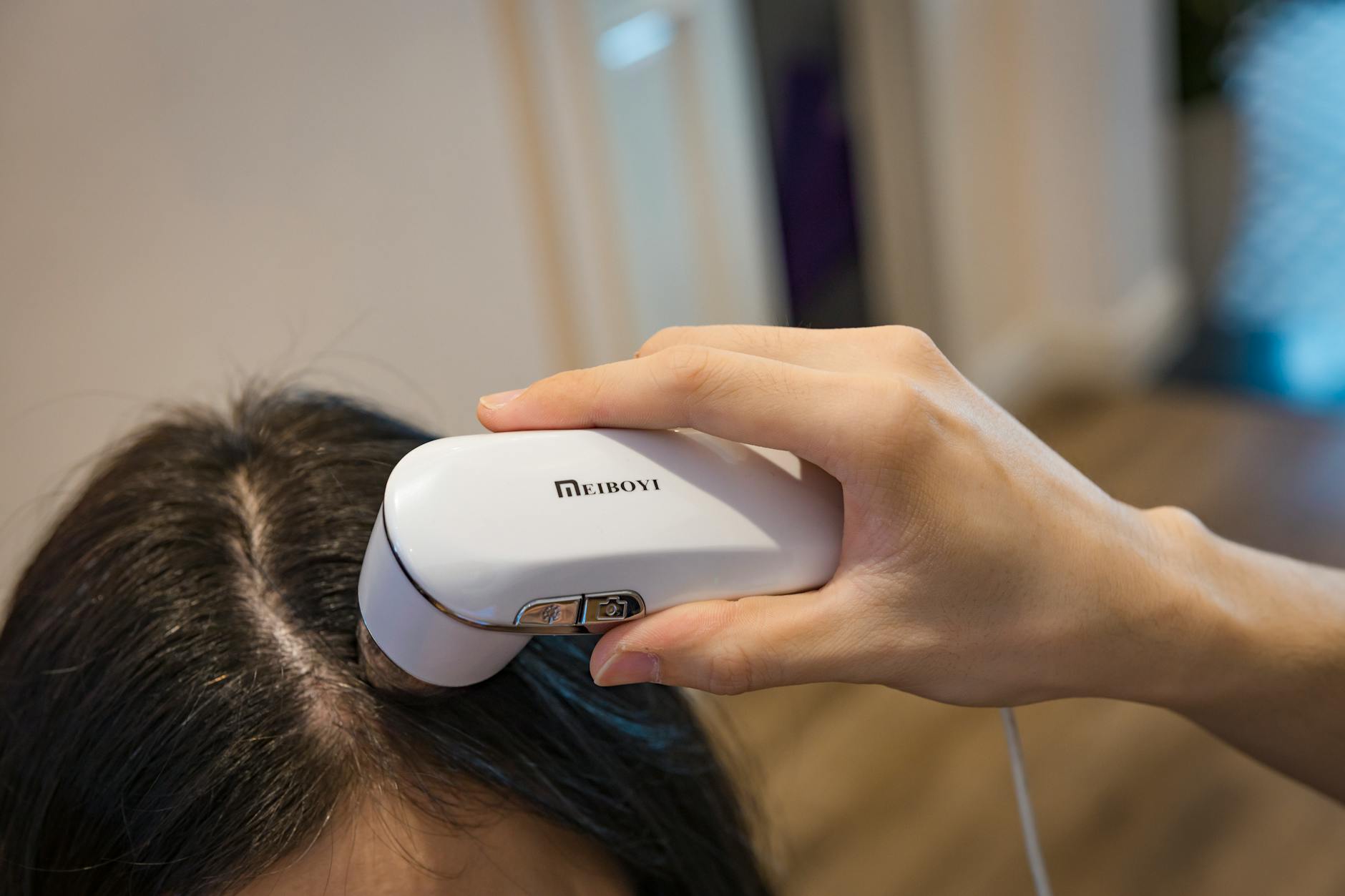
Market Reality Check on Growth Claims
Hair care aisles overflow with products promising dramatic transformation, from sulfate-free miracle workers to peptide-infused treatments claiming to reverse years of damage. Medicube enters this crowded space with bold claims about making hair look fuller, smoother, and healthier overall. The challenge lies in separating genuine innovation from sophisticated marketing wrapped around familiar ingredients.
PDRN’s track record in skincare provides some credibility, but hair follicles operate differently than facial skin. Scalp health certainly impacts hair quality, and ingredients that support barrier function and reduce inflammation could theoretically benefit hair growth conditions. However, the leap from injectable dermatology treatments to topical hair care products involves significant formulation challenges.
The price point and packaging suggest Medicube positions this line as premium hair care rather than drugstore alternative. Korean beauty brands have successfully elevated ingredient storytelling into compelling product narratives before, turning snail secretion and bee venom into mainstream skincare staples. Whether salmon DNA follows the same trajectory depends on real-world results rather than laboratory promises.

The beauty industry’s willingness to embrace increasingly exotic ingredients reflects consumer appetite for novel solutions to persistent problems. Hair loss, thinning, and scalp issues affect millions of people who’ve cycled through countless products without finding their holy grail. Whether Medicube’s salmon DNA approach delivers on its ambitious promises or joins the long list of overhyped hair care launches remains an open question that only time and user experiences will answer definitively.